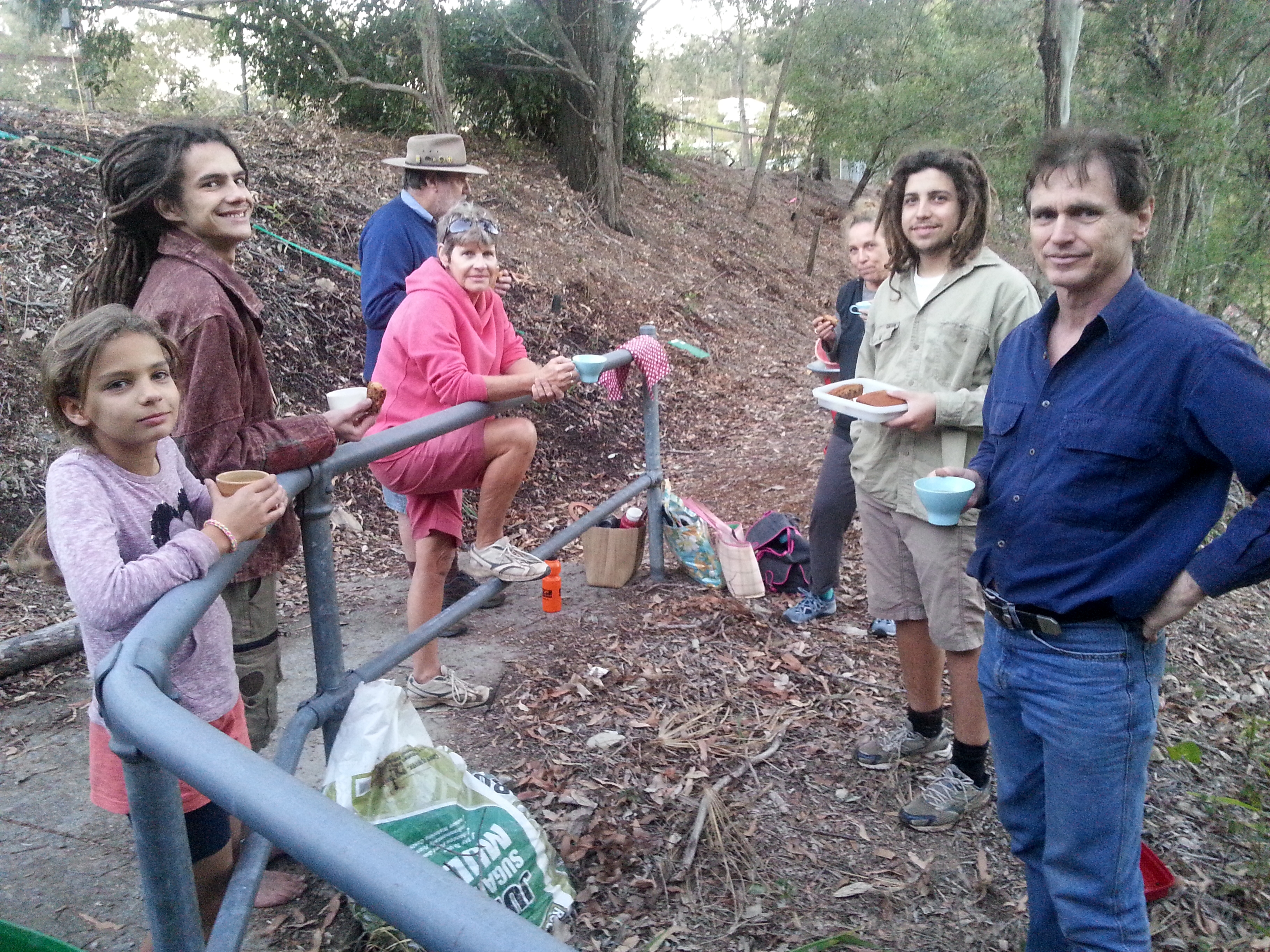
Mmmm … beautiful winter day and fresh baked cake

20140615_153535

City kids in touch with nature

20140615_165817

Home made cake – reward for hard work

By: Laurie Deacon

Our Sunday working bee on the Pollinator Link Garden at Mt Gravatt SHS went well.

New parents and kids joined us! It is such a pleasure to watch city kids getting in touch with nature, getting their hands into the dirt and planting the future.

Eating Sheamus’s fresh baked cake was nearly as good as planting six each of the Wombat Berry Eustrephus latifolius, Native Sarsaparilla Hardenbergia violacea, Scrambling Lily Geitonoplesium cymosum, Black She-oak Allocasuarina littoralis, Grey Gums Eucalyptus bitturbinata, Acacias and Brush Box Lophostemon confertus. But much better than weeding and shoveling mulch. All washed down with steaming hot cups peppermint and black tea to warm the hands at the end of a very productive day.


Posted in Bushcare, Pollinator Link, Wildlife Corridor | Tagged , , , , , , | Leave a comment

Majestic Park Cubs planting for butterflies

20140612_194152

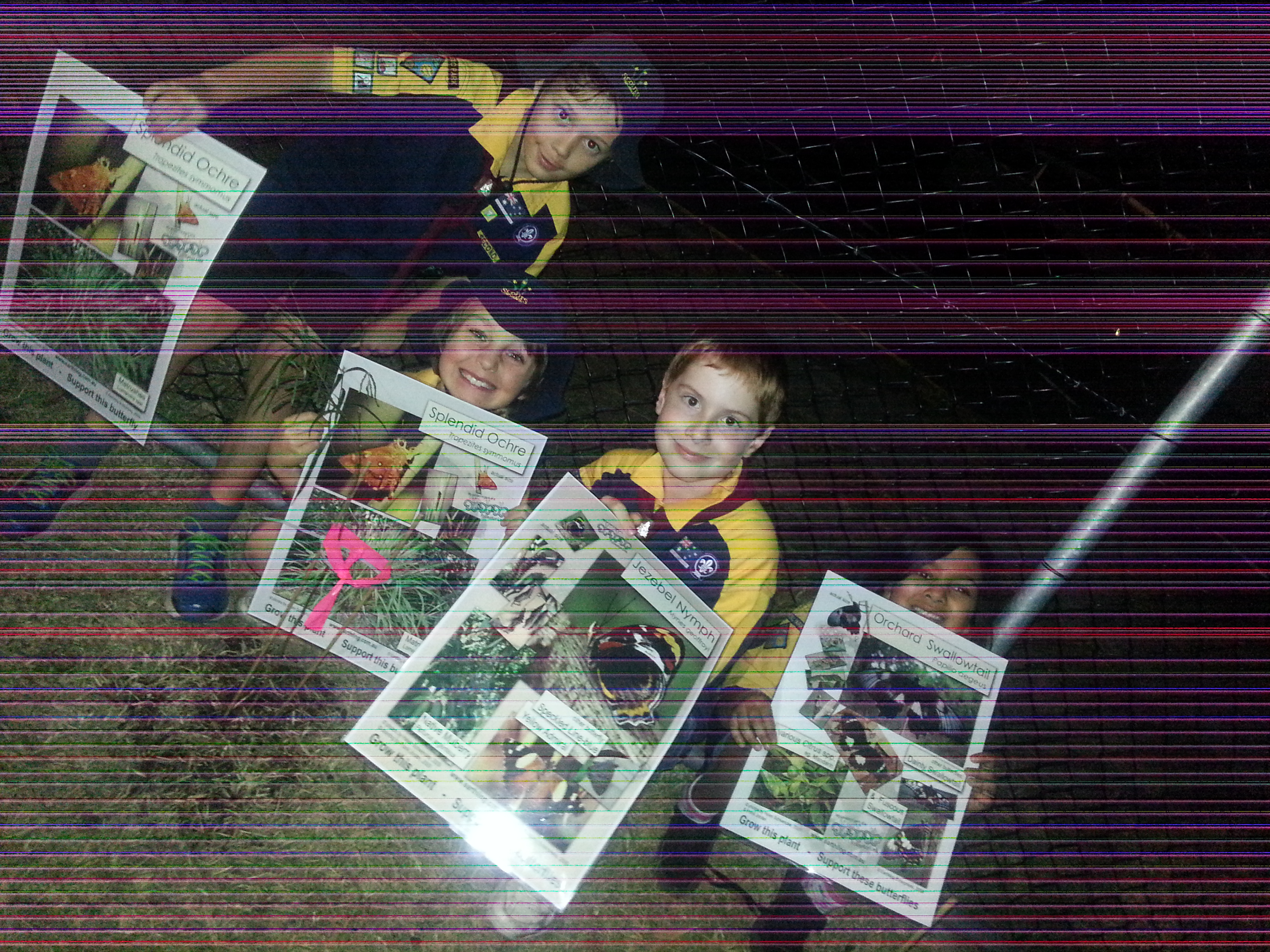
Cubs love butterflies

By: Laurie Deacon

Thirty Cubs for a night planting: They are getting their World Environment Badge by doing many things and one is learning about and building a Pollinator Link Garden around their Den in Coorparoo. The Cubs all planted each a wattle tree and a she oak tree, leaning how to care for the young tree as well.

They know without Pollinator Link Gardens that their food is in jeopardy. They hope these plants will grow into a big supermarket for the native animals. With the help of the older Scouts each plant is going to get a border decorated with art to ensure no one mows them off!

Thanks to Helen Schwencke of Earthling Enterprises for our brand new butterfly posters.  

Posted in Pollinator Link, Wildlife Corridor | Tagged , , , , | Leave a comment

Laurie steps up as Mountain leader

Mt Gravatt Environment Group's avatarMount Gravatt Environment Group

By: Michael Fox

As part of the continuing development of Mt Gravatt Environment Group, Laurie Deacon has taken on the role of President. I will continue to work closely with Laurie, continuing as Editor of Mt Gravatt Environment Group blog and Fox Gully Bushcare co-coordinator.

IMG_20140412_132834Over the past decade the team has, expanded restoration activities in seven sites surrounding the Mountain, strengthened relationships with community, university and school stakeholders, contributed to research of Mt Gravatt Conservation Reserve, increased use of the Reserve by community members and developed community education. Membership is strong and members have received local, state and international recognition of their work in Nature Conservation.

Laurie brings a wealth of experience with volunteer groups and environmental work ranging from membership of the management board of a national environmental NGO, protecting endangered Cassowaries in the Daintree, presenting at the UN Congress for Environmental Education: June 2013 in Marrakesh and…

View original post 421 more words

Posted in Uncategorized | Leave a comment

Wildflower Season Blooms in Pollinator Link garden

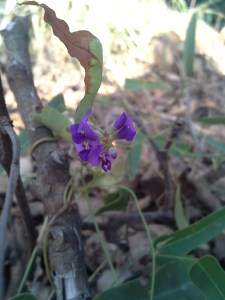
Native Sarsaparilla Hardenbergia violacea

Native Sarsaparilla Hardenbergia violacea

By: Sheamus O’Connor

The Pollinator Link Garden at Mount Gravatt SHS is beginning to display the vibrant colours of Australian wildflowers. We had a very undesirable storm season this year, hardly receiving much rain at all when we needed it most. Autumn simply did not exist in Brisbane, as most days reached 30oC at least. However, now with winter here, as well as some decent cold weather, the water that’s left in our soils is less likely to be evaporated by the intense heat of the sun.

.

.

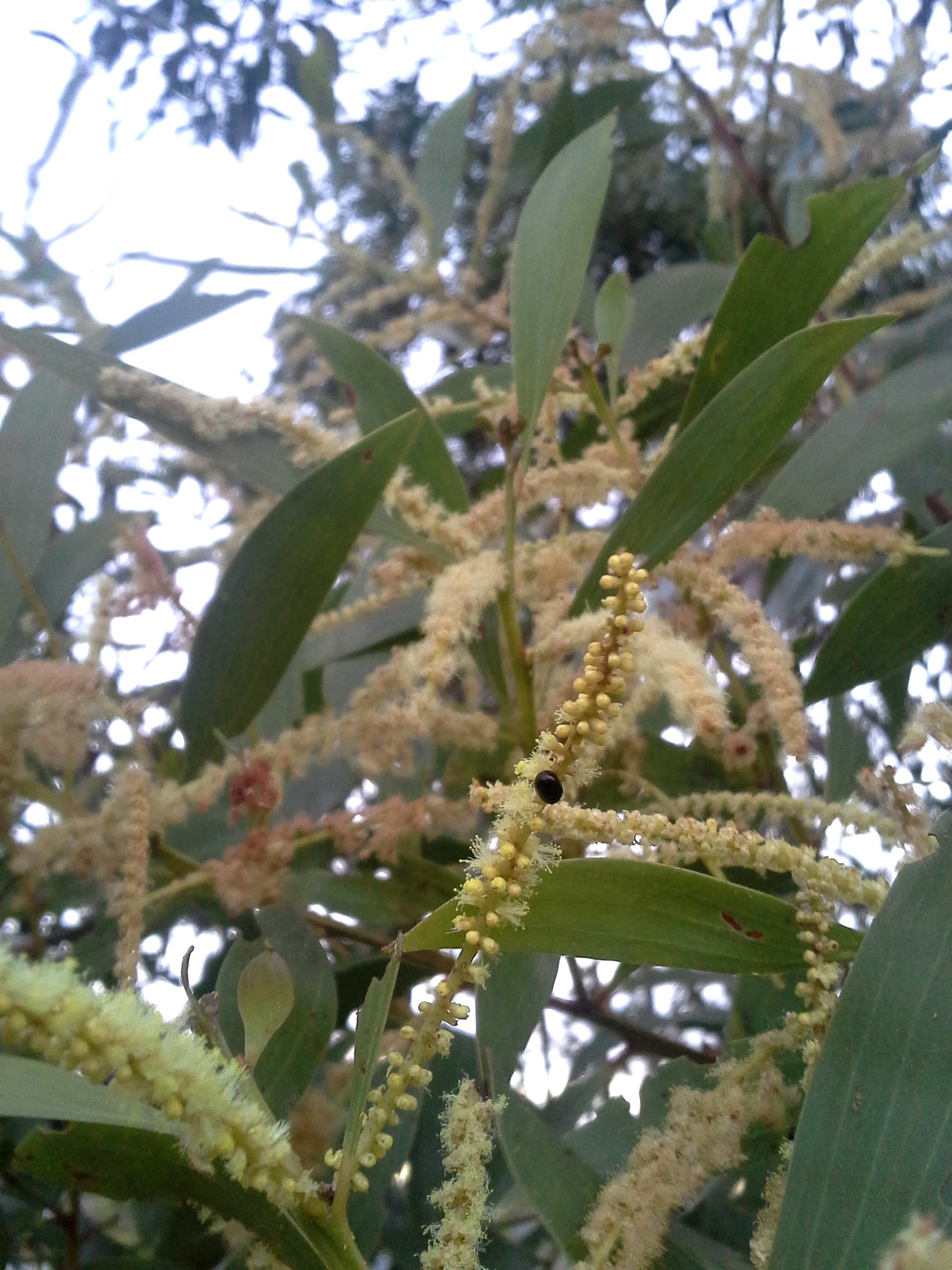
Beetles enjoying the abundance of wattle flowers

Beetles enjoying the abundance of wattle flowers

Native plants are known for their hardiness, and they always are able to create an elaborate display of stunning flowers in unfavourable conditions. Acacia species are in full bloom, if not now, very soon. Their perfume can be smelt a great distance away. Look closely at their flowers and you are sure to find some small pollinator devouring on some nectar and pollen. The Early Black Wattle (Acacia leiocalyx) has been flowering in the PLG for a few weeks, almost starting to form seeds. These plants are incredibly important for our pollinators, such as Squirrel Gliders (Petaurus norfolcensis).

.

.
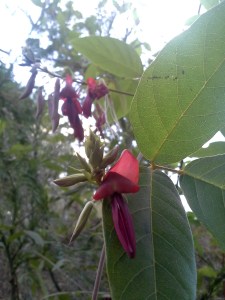
Running Postman Kennedia rubicunda

Running Postman Kennedia rubicunda

Other plants in full bloom in the garden include the Running Postman (Kennedia rubicunda). This pea plant is bright red flowers, and as the name suggests, ‘runs’ all over plants. The leaves of the pea plant are a favourite for the Leaf-Cutter Bee (Megachile sp.) which leaves a distinct semi-circle cut in the leaf. The leaves collected are used for a tube for the female’s eggs, as well as food for the larvae.

.

.

.

.
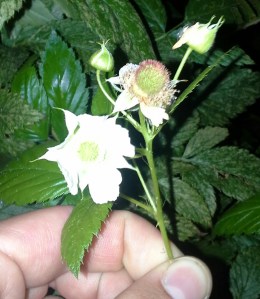
Future raspberries growing in Pollinator Link garden

Future raspberries growing in Pollinator Link garden

The first flower has formed on our Native Raspberry bush (Rubus probus), which is one of the most productive and tastiest bush tucker plants. The red donut-shape fruits and extremely sweet and one finds themselves unable to stop picking them from the bush, just watch out for the thorns! These bushes grow into a dense habitat for small birds, lizards and other creatures that are vulnerable to butcher birds and other aggressive birds. Much like its European cousin, the bush is an extremely aggressive and invasive plant, so keep a watchful eye in small gardens and prune back after fruiting.

With this dry spell we’ve had so far this year, all gardens are suffering. However, our Pollinator Link garden pushes on to create a wonderful habitat for our vulnerable native species. Helpers are greatly welcome as more hands make lighter work. Come along and enjoy a beautiful winter Sunday afternoon doing some bush rehab work with a nice warm cup of tea and sweets after. National Plant a tree day is not far away (end of July), so keep an eye out for our future events.

Posted in Mt Gravatt Environment Group, Pollinator Link, Wildlife Corridor | Tagged , , , , , | 1 Comment

Butterflies invade St Joachim’s

By: Laurie Deacon

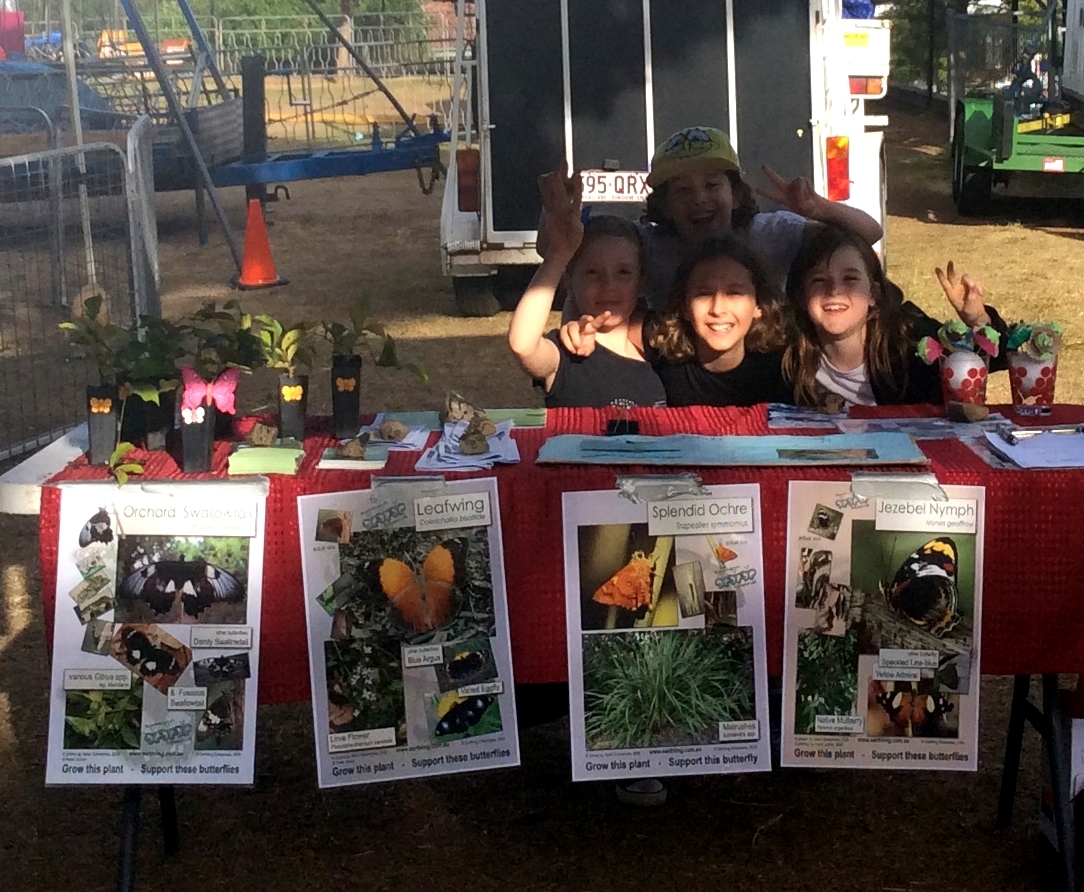
NEWS Flash: “Butterflies have invaded St Joachim’s Catholic Primary School in Holland Park.”

Buttflies at St Jochims 2 - 1 June 2014

Butterflies bring colour and fun to St Joachim’s

Millie, Alessia, Emily and Sophie want people to use their backyards and schoolyards to help save threatened wildlife species like the Richmond Birdwing butterfly Ornithoptera richmondia. Birds, butterflies and bees add colour and fun while working hard to pollinate your vegetable patch.

The pollinator team produced posters to demonstrate the purpose of their stall at St Joachim’s Annual Fete. Millie and Alessia chatted to  adults and children explaining how to assist the Birdwing and other butterflies by planting more of the right plants and gave them a tour of the Butterfly Garden.

I am very proud of the initiative and commitment shown by these future community leaders.

Posted in Pollinator Link, Wildlife Corridor | Tagged , , | Leave a comment

ACU students promote bushcare to teachers

By: Laurie Deacon

ACU student brochure

ACU student brochure

Our ACU student teacher friends have used their bushcare experience to produce an excellent brochure to promote bushcare to other teachers.

Jade Davison, James Paterson and Nathan Hall … sharing a vision of a sustainable future with the next generation. With teachers like this we can look forward with hope.


Posted in Mt Gravatt Environment Group, Pollinator Link | Tagged | 1 Comment

ACU student teachers brave rain for planting

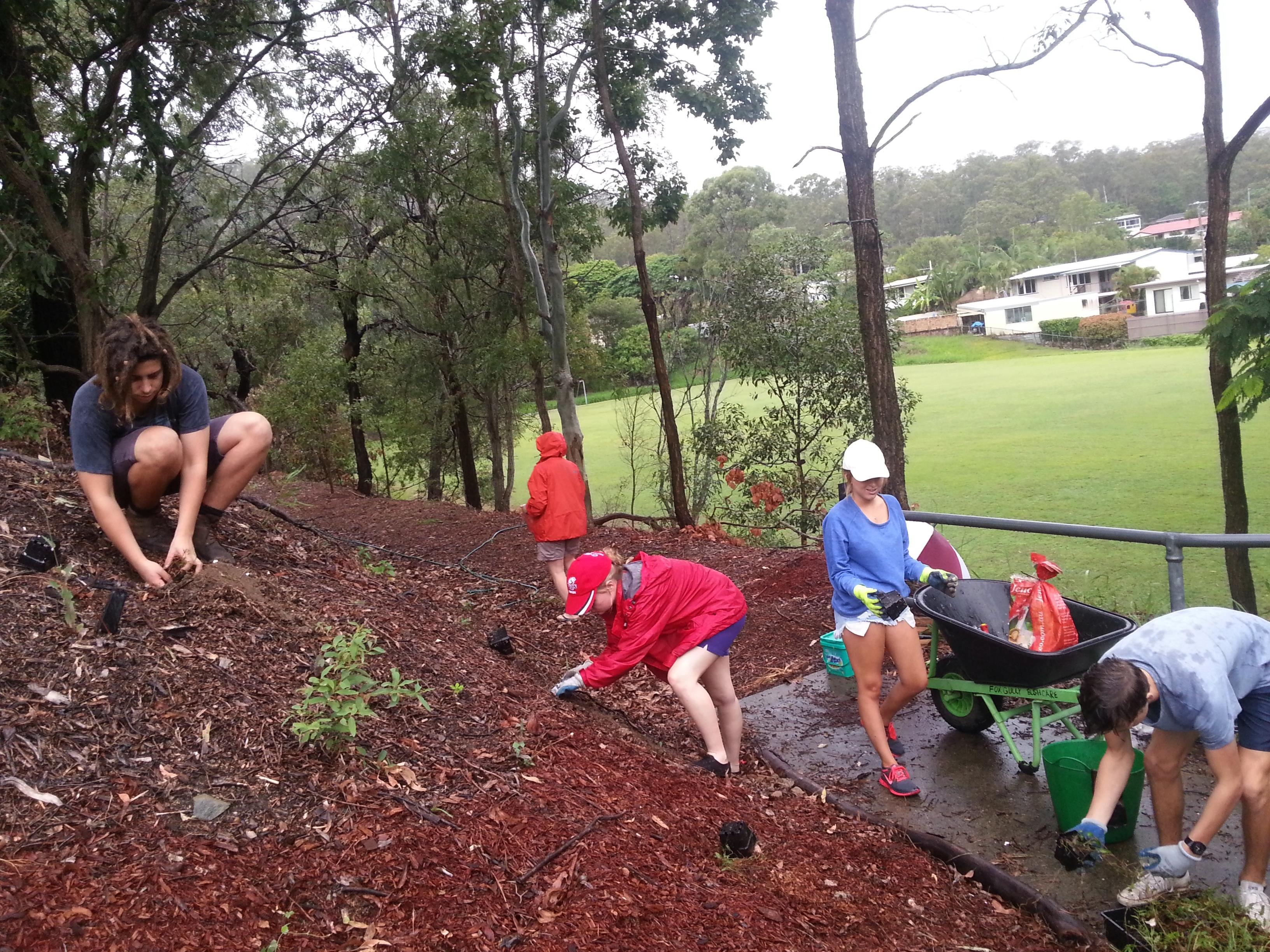
Mt Gravatt SHS Pollinator Link 1 - 13 April 2014

Planting native grasses to create habitat

By: Laurie Deacon

The forecast was rain. Cyclone Ita had just crossed the coast in north Queensland and the outlook looked bleak in Brisbane. Do we cancel our monthly working bee?

We did have the Bushcare in the end with some lovely uni students from the Australian Catholic University (Banyo)

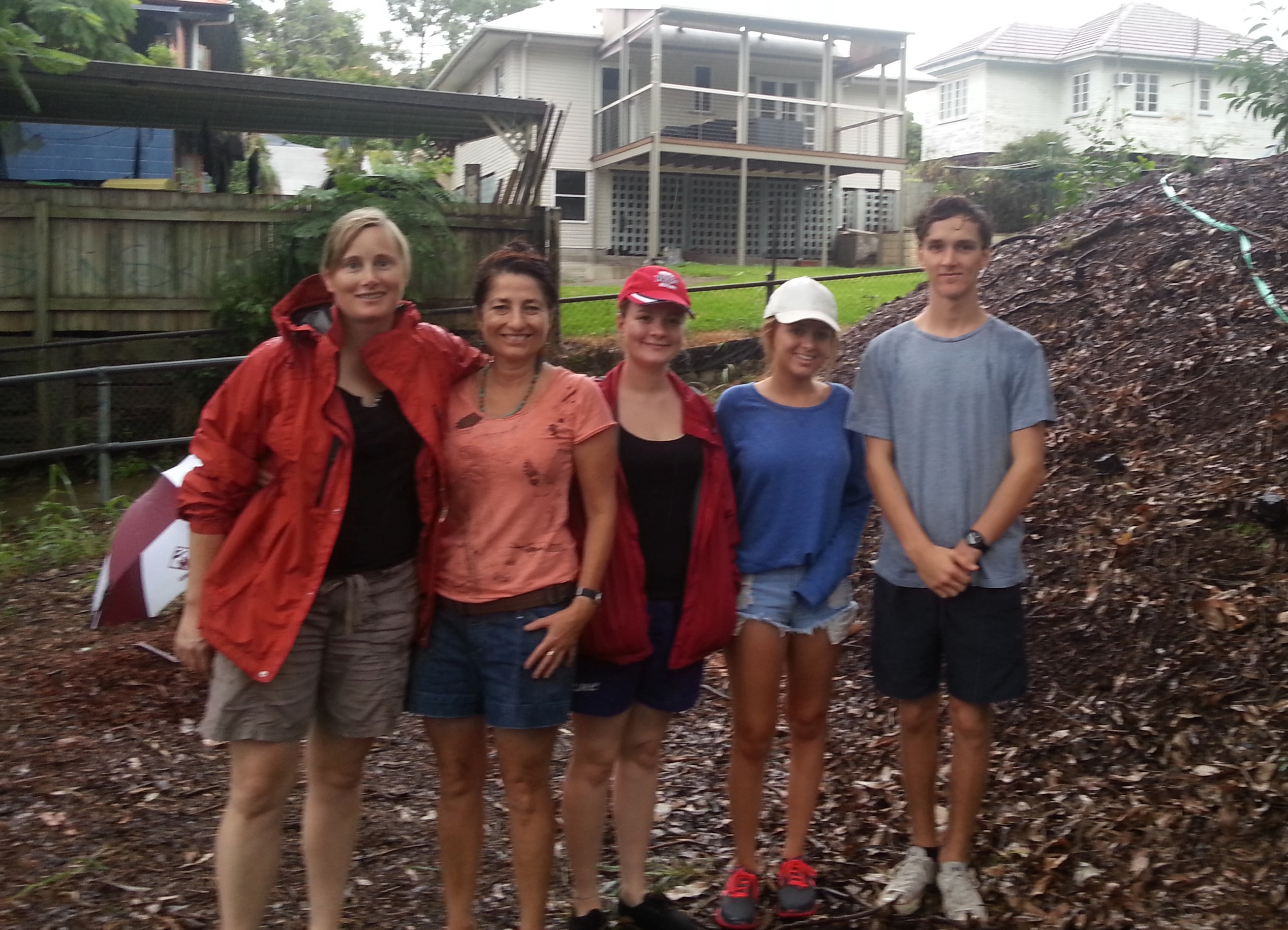
Team proud of their achievement

Team proud of their achievement

who came over under their own steam in a car and they were a delight. They were all studying Degree in Primary School teaching. The rain in fact was light and eased so it was perfect gardening weather.

The team planted native grasses including Creeping Beard Grass Oplismenus aemulus and Pademelon Grass Oplismenus imbecillis. The first step in restoring bushland is often counter intutive – plant grass first and trees later.

Orange-streaked Ringlet butterfly

Orange-streaked Ringlet butterfly

These grasses act as a Living Mulch spreading by nodes they quickly cover the ground suppressing weeds, retaining moisture and reducing erosion. These grasses are also caterpillar food plants for Orange-streaked Ringlet Hypocysta irius and White-brand Grass-skipper Toxidia rietmanni.

.

.

ACU Faculty of Education

ACU Faculty of Education

We were proud and honoured to welcome these generous ACU students to our site and impressed with a university which is focused on teaching the next generation the value of our native flora and fauna.

“If you think in terms of a year, plant a seed; if in terms of ten years, plant trees; if in terms of 100 years, teach the people.”

Confucius

Posted in Bushcare, Mt Gravatt Environment Group, Pollinator Link, Wildlife Corridor | Tagged , , , , , | 3 Comments

Pollinator Links spread to Queensland Parliament

By: Michael Fox

Australian Painted  Lady - 14 Sept 2013

Australian Painted Lady Vanessa kershawi

“It is not often that members rise in this House to speak about butterflies … ” local member and Minister for Science, Information Technology, Innovation and the Arts, the Hon. Ian Walker, introducing his Parliamentary Adjournment Speech in Queensland Parliament.

Ian is a strong supporter of Mt Gravatt Environment Group and the Pollinator Link initiative. As Minister for Science combined with his role Urban Development Institute of Queensland, Ian’s support presents an opportunity to introduce the concept of Pollinator Link wildlife corridors for new urban developments across Queensland.

Read Ian’s speech below or in Hansard.Ian Walker - State Parliament - 18 March 2014

Picture1

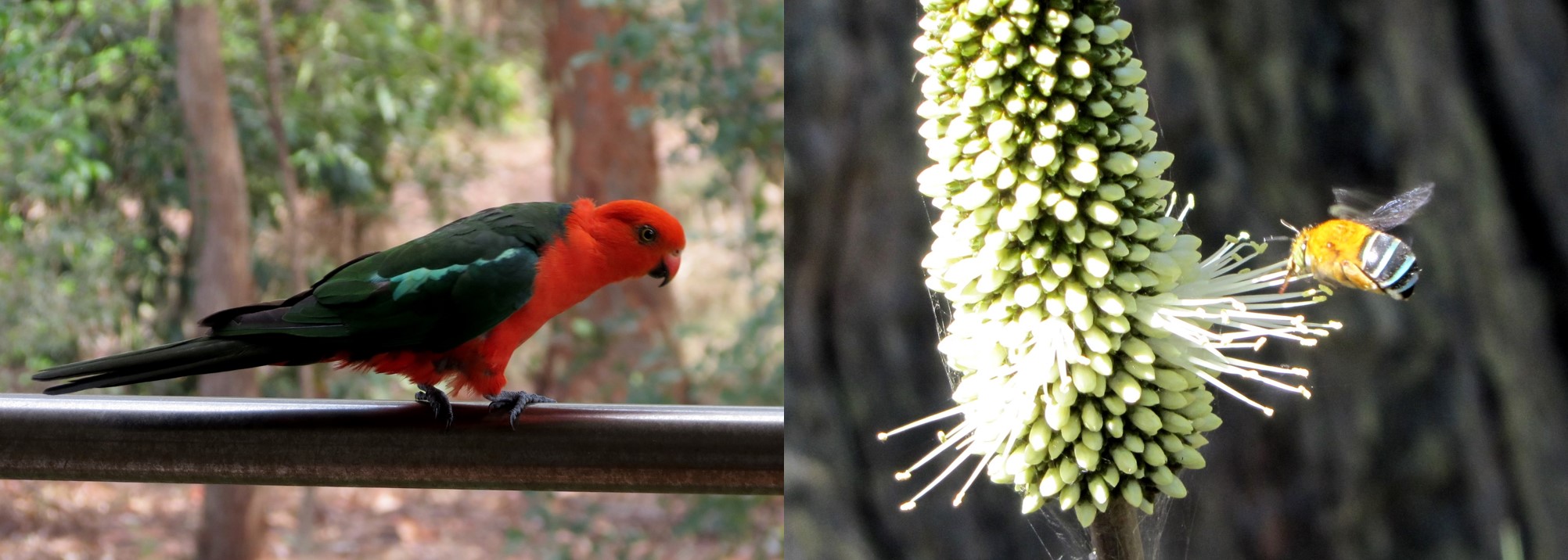
       King Parrot Alisterus scapularis                                                               Blue Banded Bee Amegilla cingulata


Posted in Mt Gravatt Conservation Reserve, Pollinator Link, Wildlife Corridor | Tagged , , , | 2 Comments

Apiaries in ART

earthstonestation's avatarearthstonestation

Beauty of Bee Hives.

Through the ages artists painting scenes of rural life give reference to the association of humans and honey bees. Apiaries and domestic bee keeping can be traced back to the time of the pharaohs in Egypt and the use of honey for food and medicinal use has been well documented for centuries. Apiaries in art shows the relationship of man and nature in a peaceful co-existent way.

View original post 364 more words

Posted in Uncategorized | Leave a comment

Feed the birds – ABC Counterpoint interview with Darryl Jones

By: Michael Fox

Grey Butcherbird - lunch 2 - 6 May 2013 crop

Grey Butcherbird with mantis lunch

I just listened to a fascinating Radio National Counterpoint interview with Associate Professor Darryl Jones, Deputy Director of the Environmental Futures Centre at Griffith University.

The question – “To feed or not feed native birds.”

Key points:

  • choose food close to normal diet – Amanda feeds mealworms to Magpies
  • no evidence that birds become entirely dependent on human feeding
    • adults will come for a snack but do not use the human food chicks
  • the mix of Australian birds visiting for food different to places like England
    • we tend to get larger meat eating birds – Magpies and Butcherbirds as well as some parrots coming for seed
    • in England tiny birds will come to feeders
  • seed balls sold in pet shops usually designed for Europe not Australia
    • ok but of limited value
    • avoid seed balls with too much millet – hard red seed
  • Citizen Science – valuable research resource in UK
  • Insect eating birds like Superb Wren will be attracted by habitat not feeding

Listen to the interview online.

Water is another excellent way to attract birds and add colour and song to our backyards.

IMG_6039

Scaly-breasted Lorikeets at birdbath

Posted in Mt Gravatt Conservation Reserve, Pollinator Link, Wildlife of Mt Gravatt Reserve | Tagged , , , , , , | Leave a comment