Pollinator Link® is a non-profit initiative of Mt Gravatt Environment Group.
The Pollinator Link® project aims to bring wildlife back to our urban by providing Water, Food and Shelter for birds, butterflies and bees. Your free garden registration will support our work with local councils as well as helping us influence plant nurseries to stock local native species.
Imagine your backyard alive with colour and birdsong. The quiet hum of bees in your veggie patch. You leave the city behind as you come home and relax with the peaceful sounds of nature.
We’re excited to have received the Healthy Cities Landcare Grant for our project and to be part of the planting of 96,500 native plants across the country, linking environmental health with community wellbeing. Thanks to Bupa’s generosity, we have been funded to continue rewilding the Mount Gravatt Showgrounds Wildflower Forest in 2026.
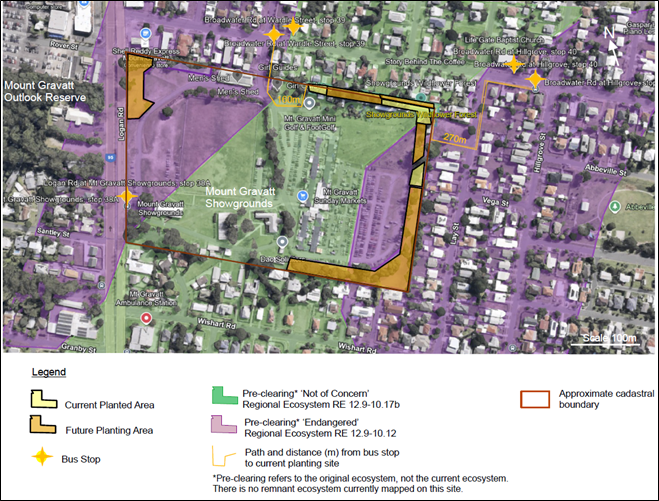
Receiving the Bupa Landcare Healthy Cities Grant will allow us to fast track restoration of the original habitat, particularly the endangered Regional Ecosystem mapped in purple.
Located at the foot of Mount Gravatt Outlook Reserve, both the Reserve (also known as kaggurmabul – place of echidna) and the Showgrounds are important to the local community for gathering and recreation. Restoring a habitat visited by many community members will showcase our local natives for their own backyards and provide a key stepping stone in a wildlife corridor between the Reserve and Bulimba Creek.
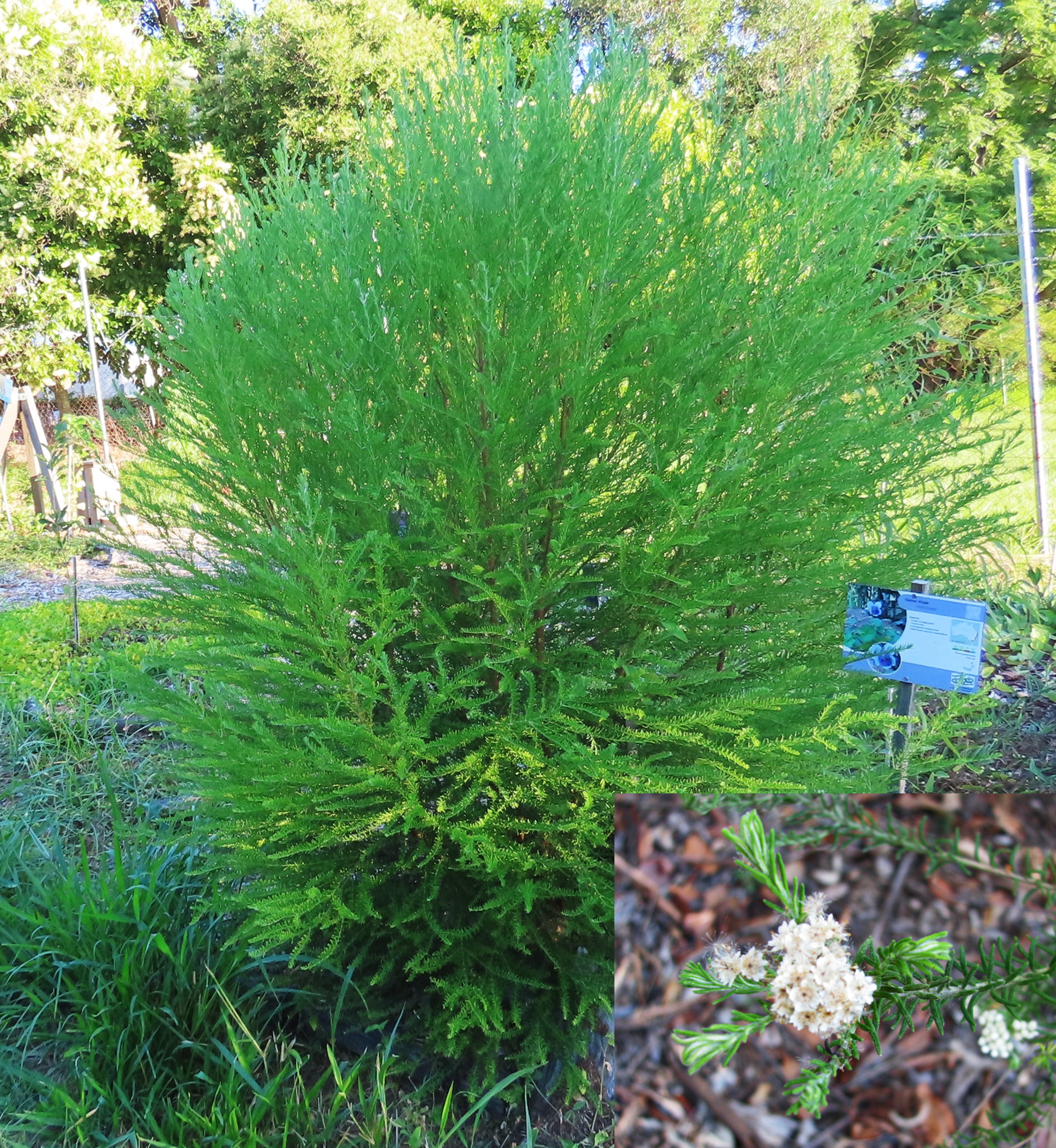
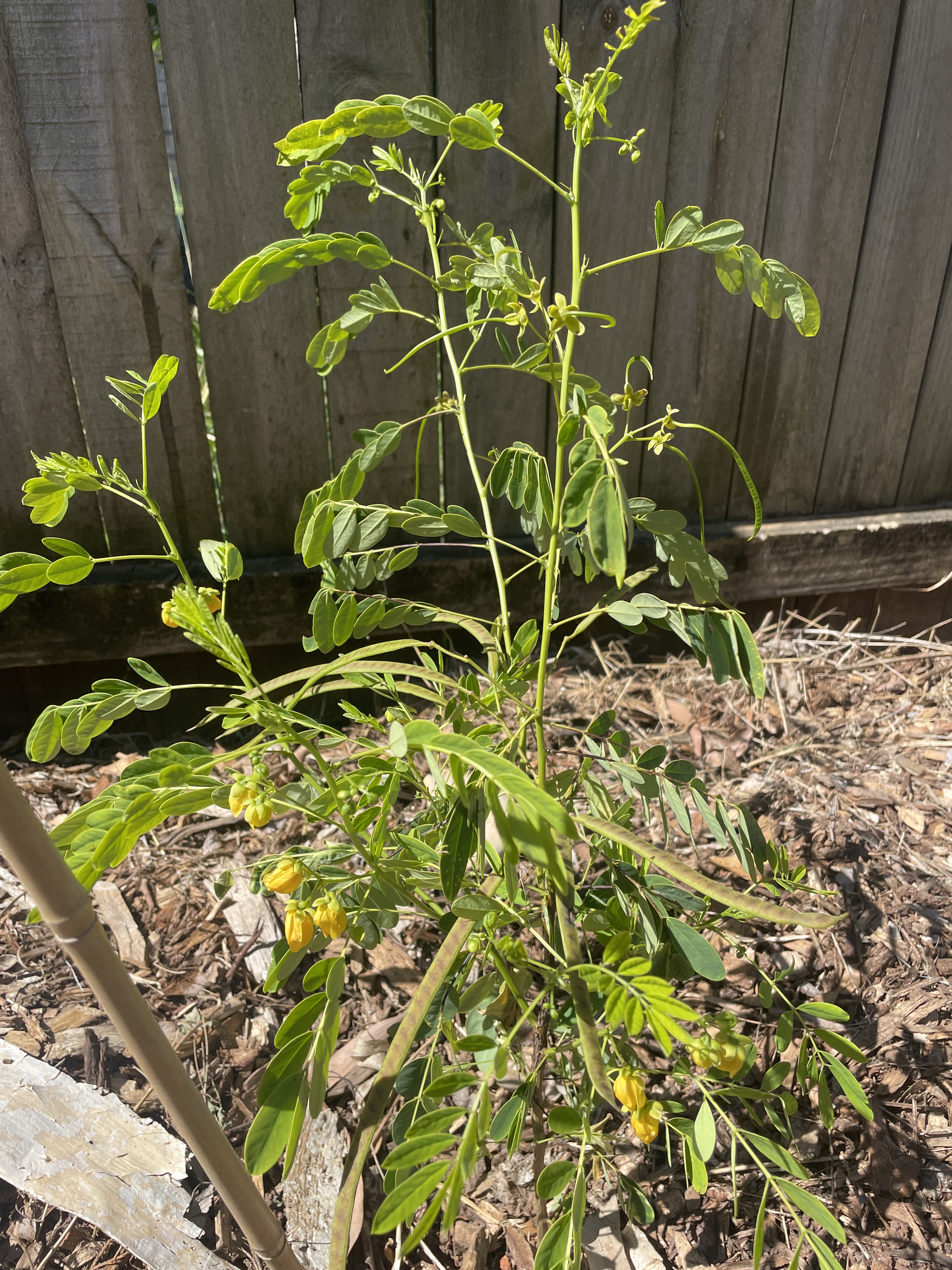
Ozothamnus diosmifoliusSago Bush – flowers attract butterflies, leaves used in cooking
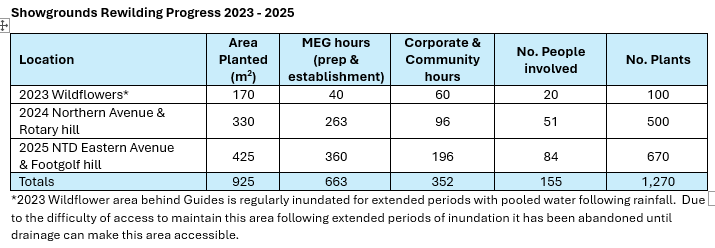
Planning 2026 with Bupa Landcare grant funds we aim to double the number of plants to almost 2,500 plants and expand the existing 925m2 area restored by a further 1,475m2
The main area to be restored will extend the 2025 National Tree Day planting along the bank of the eastern boundary of the market parking area.
The project is worth $101,571 (ex GST) made up of a BUPA grant of $7,921 combined with $93,650 in kind contribution (approx. 85% labour provided by Pollinator Link team and corporate/community volunteers) with the balance provided by Mount Gravatt Showgrounds Trust in the provision of mulch, soil auger and large weed removal. The BUPA grant funds the 1200 plants, planting supplies, basic equipment (e.g. hoses, mulch fork), plant signs and coffee for planting event volunteers. Indigenous and more plant signs will support ongoing community engagement building awareness the beauty of our local native species, fostering a connection to nature and increasing biodiversity. To view the Bupa Landcare announcement, follow the link.
Three planting events are scheduled for 2026, April, June, finishing with National Tree Day (NTD) again on the Ekka Holiday, 12 August 2026. Watch this space for planting dates!
2026 Mount Gravatt Showgrounds Wildflower Forest Project Partners:
The project aims to restore the biodiverse pre-clearing habitat of Mt Gravatt Showgrounds to attract birds, bees and butterflies creating a wildlife corridor between Mt Gravatt Reserve and Bulimba Creek.
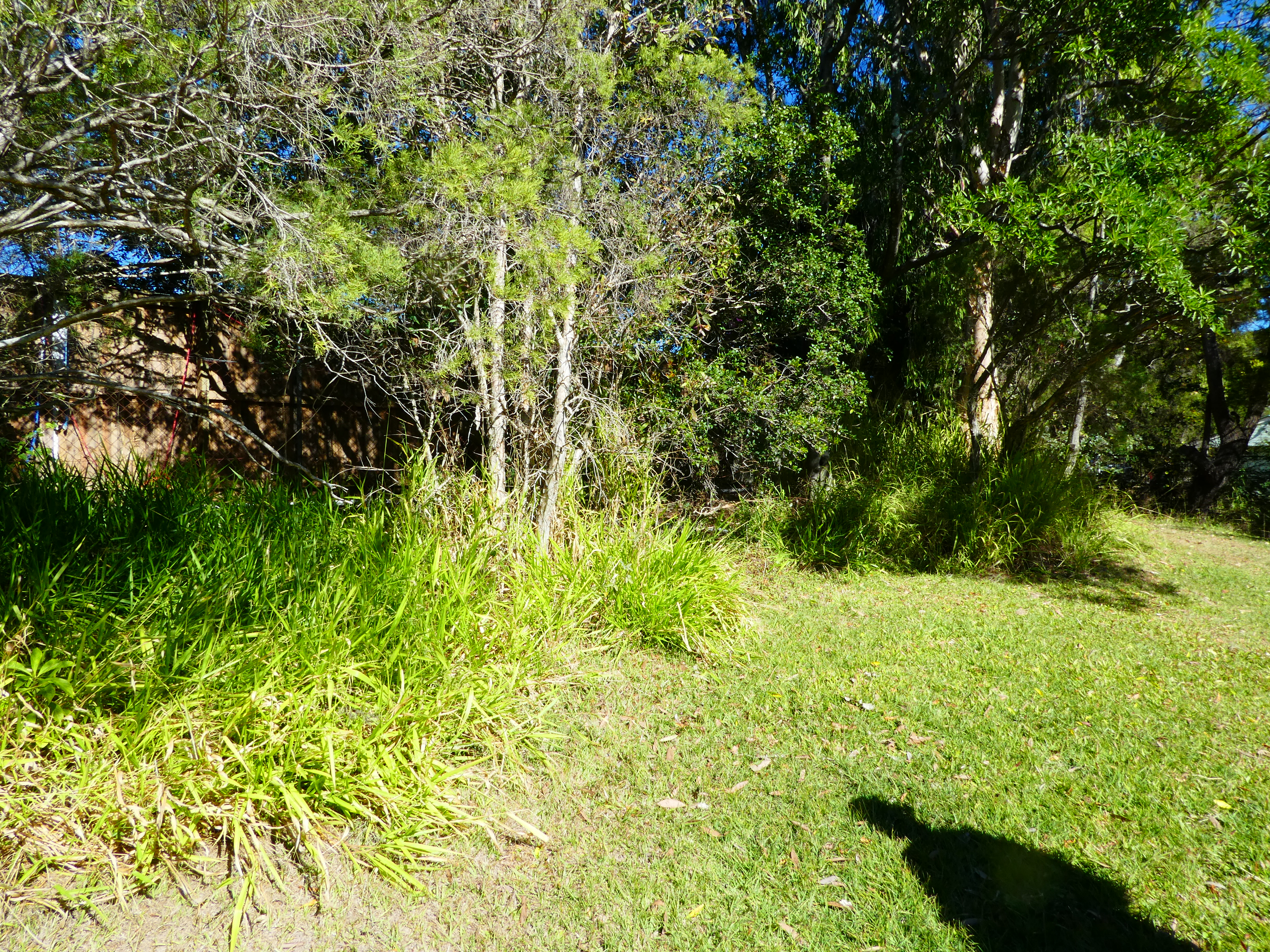
Working with the Mt Gravatt Showgrounds Trust our team is progressively clearing weeds and replanting species that originally existed. Ecosystem mapping (by Queensland Herbarium) shows two ecosystems, one endangered, existed prior to clearing. Now highly fragmented habitat with only canopy trees remain. A canopy without an understory of shrubs, herbs and grasses cannot support natural biodiversity.
Building on the popularity the Showgrounds the Trust want to create a perimeter walk. Reinstatement of the original ecosystem fits well with this plan. Revegetation (also called regeneration or rewilding) directly plants seedlings. This is the fastest way to reinstate a forest.
Brachychiton acerifolius Illawarra Flame Tree
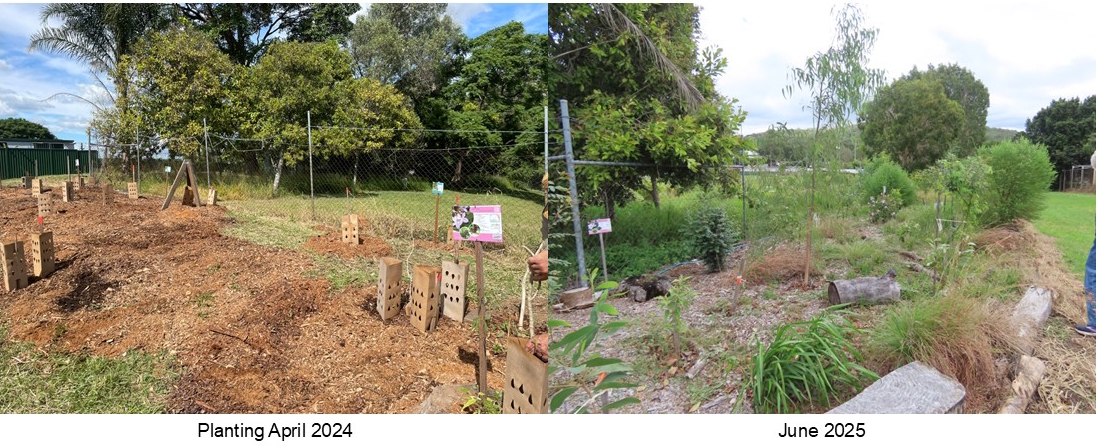
Mt Gravatt Environment Group, who conduct Bushcare on Mount Gravatt Reserve, are leading the Showgrounds Wildflower Forest regeneration. The 2024 planting has 95% survival rate – equal to best industry performance. Our restoration team including, Environmental Scientist Christine Dewer, is following Society for Ecological Restoration (SER) scientific guidelines.
The plants that occur within these two ecosystems form the plant selection for the Showgrounds Wildflower Forest. Prior to planting is site preparation and ground preparation.
Ground preparation includes Bactivate inoculation with soil micro-organisms, green mulch (grassy weeds retained as soil organic matter devoid of viable seeds).
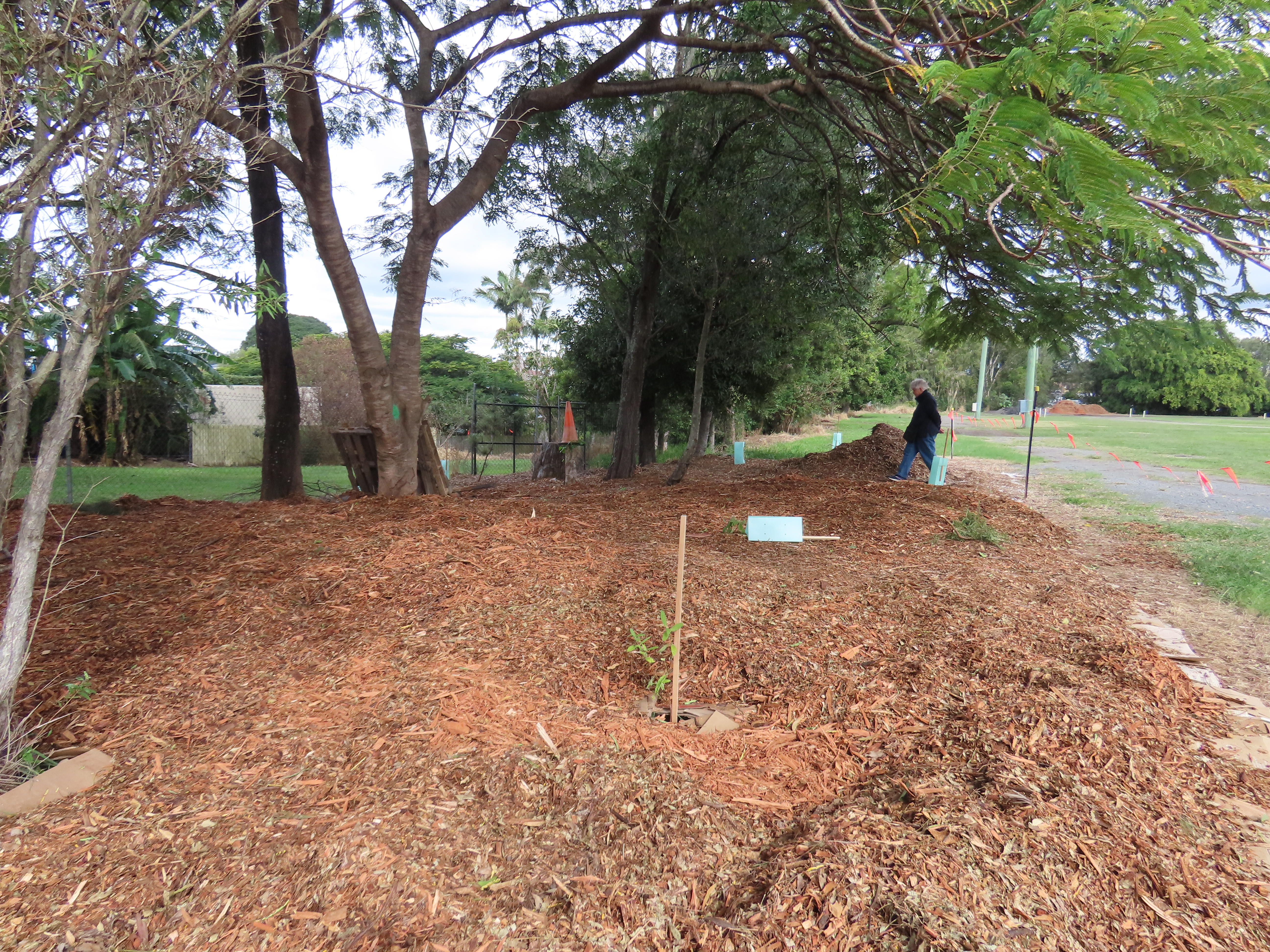
A thick layer of cardboard topped by 150mm of forest mulch provides ongoing weed suppression.
Plant selection is based on Queensland Herbarium technical description for the two ecosystems to reinstate the hierarchy of the ecosystem. Seedlings are sourced from local catchment nurseries to maxamise local provenance.
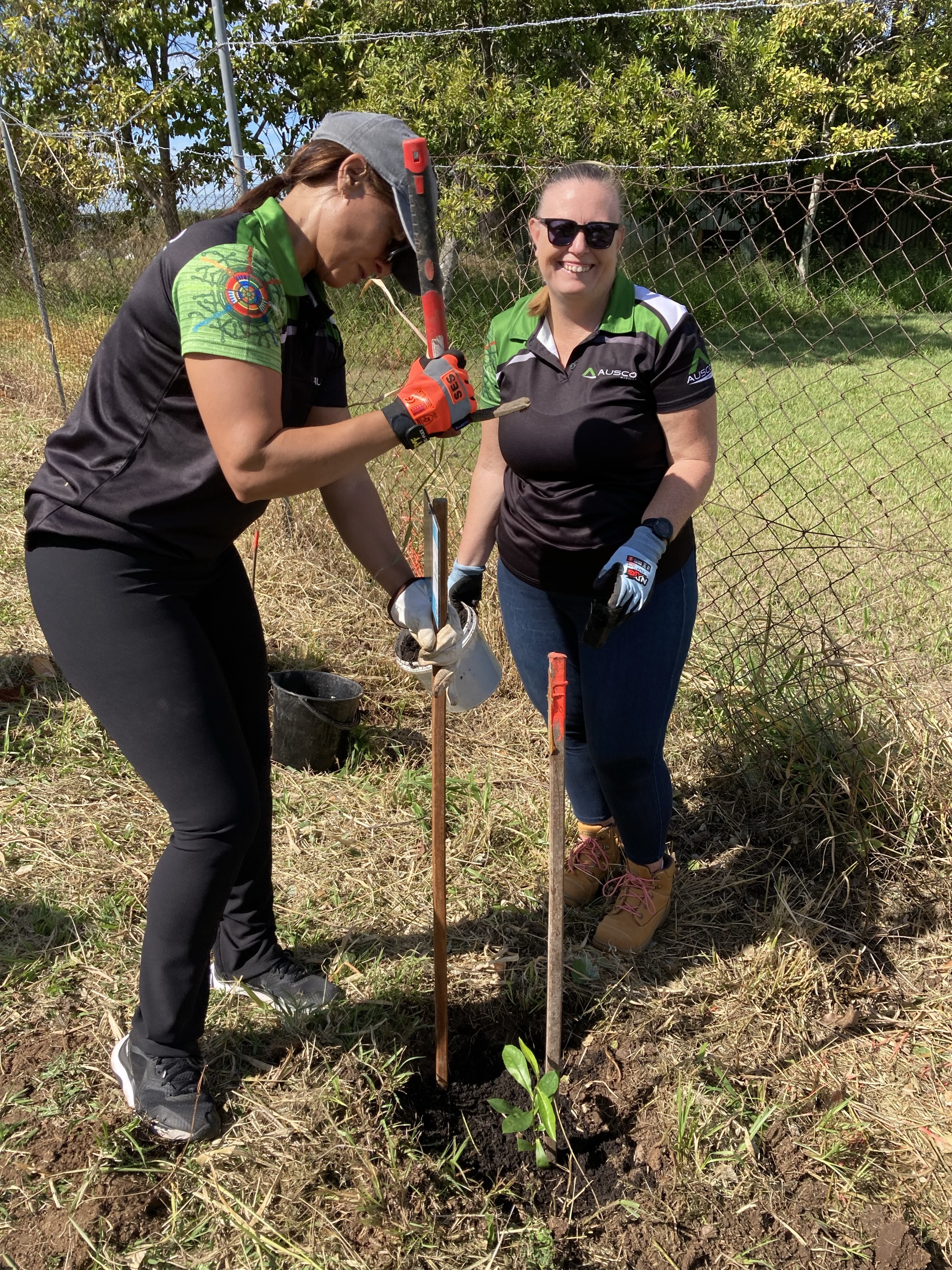
Planting Plants are allocated to appropriate site setting and spacing for growth. Local community members are engaged to plant the forest.
Establishment requires watering, weeding and plant care for the first 6-12 months. Plant information signs will support ongoing community education and engagement.
Results demonstrate the value of our thorough preparation and careful plant selection of local plant species. Planting in April 2024 is now a thriving future forest already providing food for butterflies and bees.
Join our monthly community working bees to contribute to rewilding the Showgrounds and learn how you can create your own Pollinator Link backyard garden attracting birds, butterflies and bees.
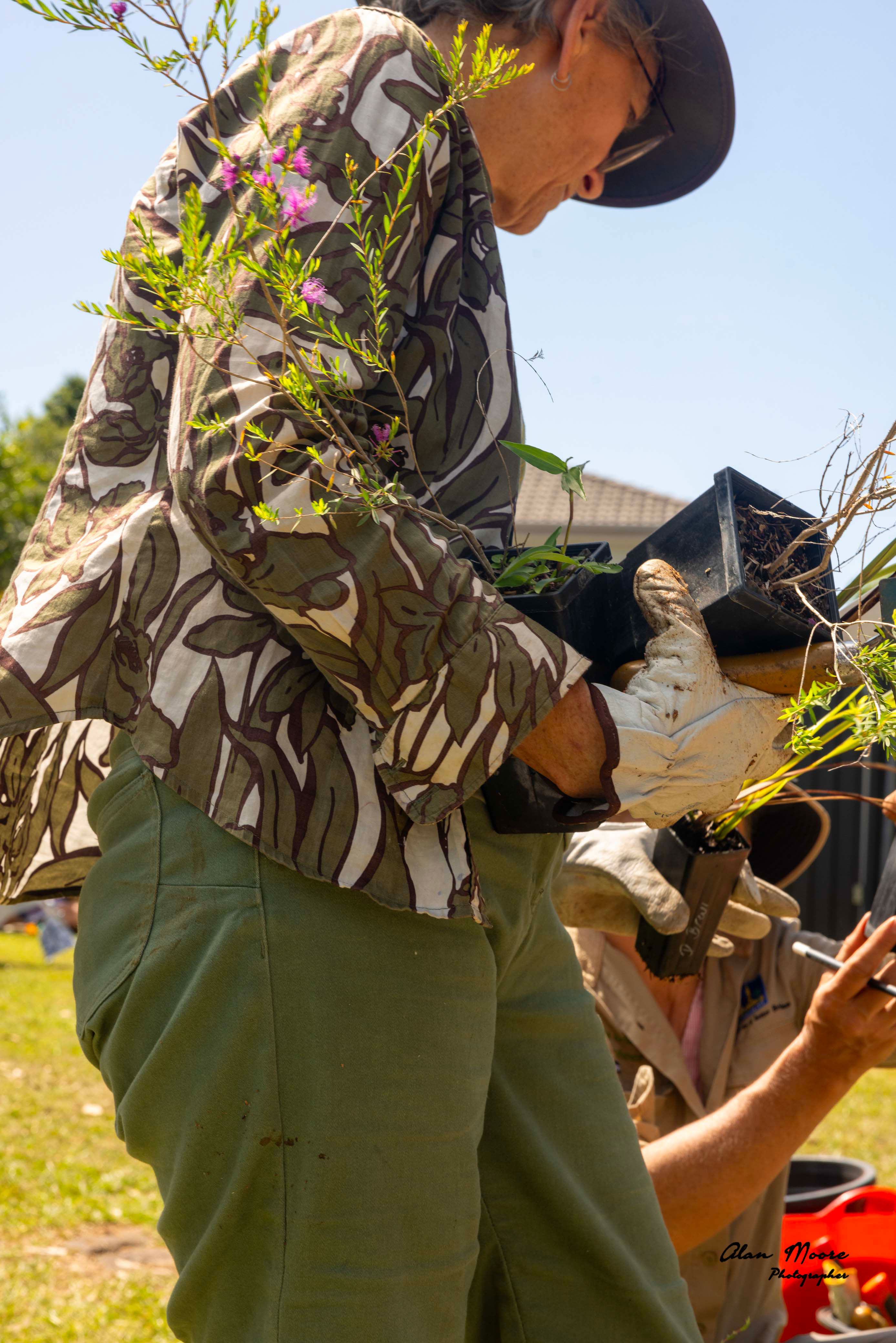
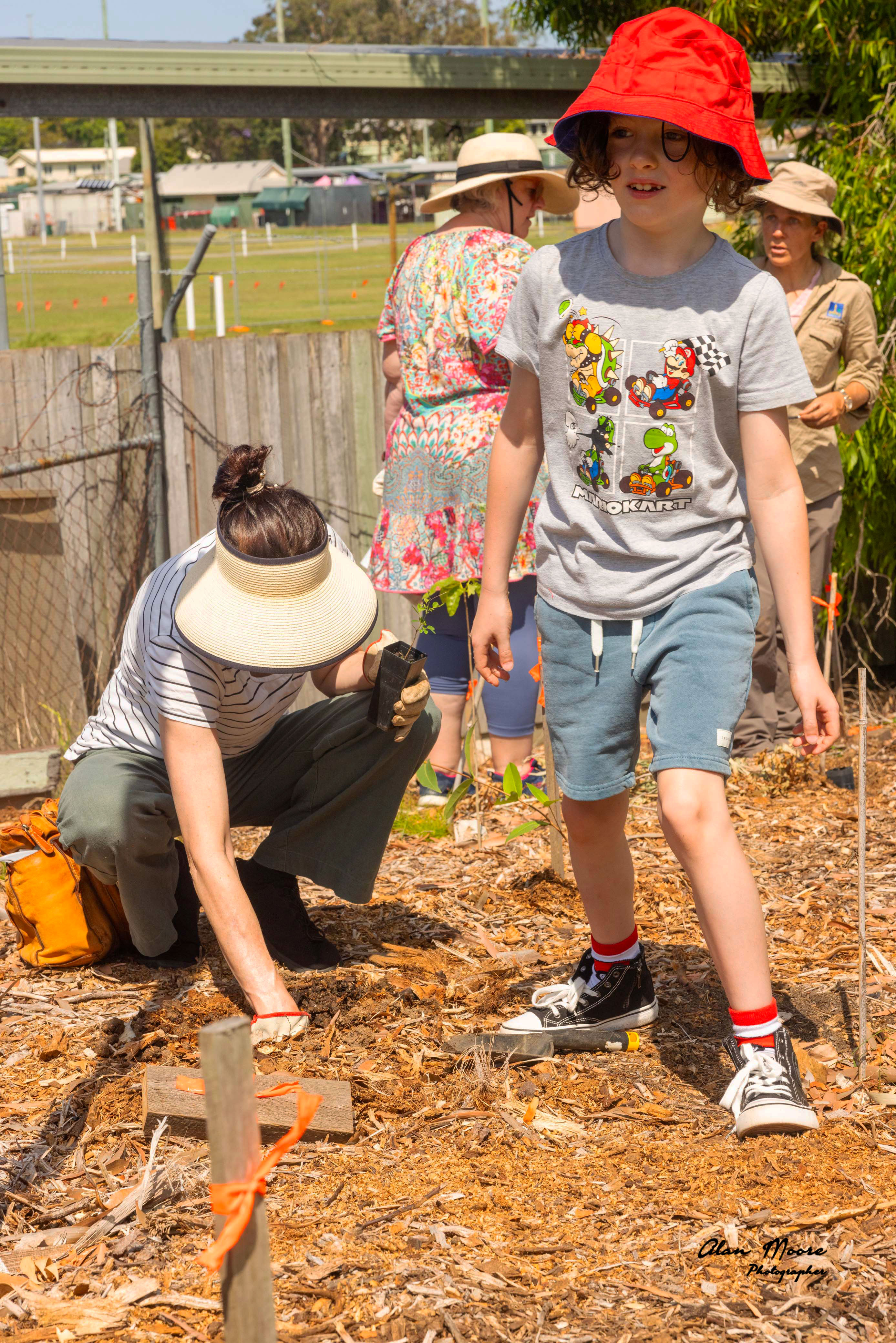
A beautiful sunny morning and thirty-three community volunteers gathered to plant two hundred and fifty local natives for the next stage of the Mt Gravatt Showgrounds Wildflower Walk.
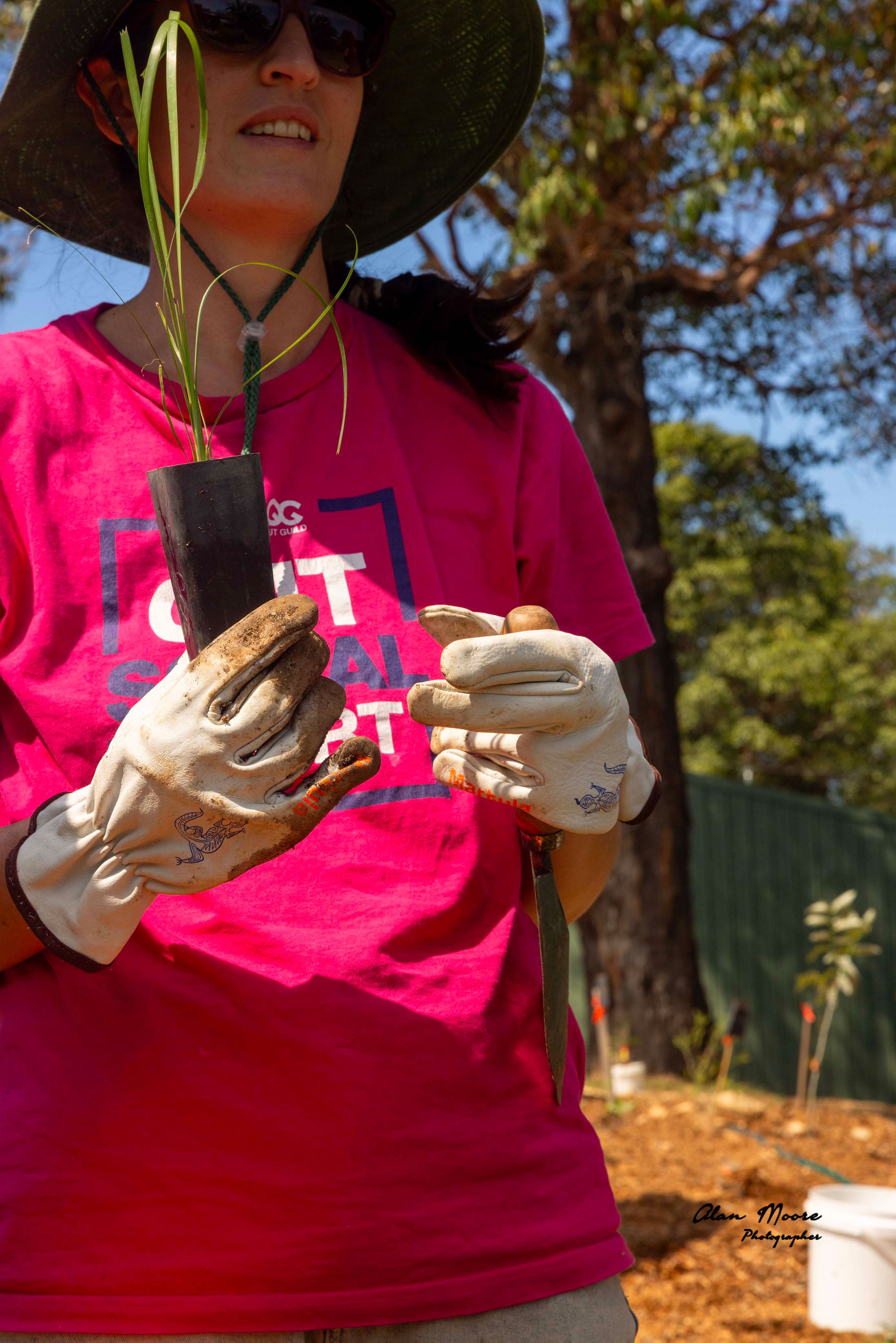
Christine explaining plant selection
Christine Dewar, Environmental Scientist, has designed the methodology for building an urban forest restoring the Regional Ecosystems that originally covered the Showgrounds and surrounding areas.
Good site preparation is vital part of creating an urban forest. To avoid using herbicides and maximise efficiency our methodology is to use a thick layer of cardboard to cover the grass rather than digging it out. First step is a sprinkling of Bactivate which is like a probiotic for soil. Second is a thick layer of used cardboard to suppress regrowth of the grass and weeds. Next is a thick layer (approximately 15cm) of mulch which is a mix of forest mulch and used sawdust from the animal display at the annual show. The benefits of mulch for the urban forest are: weed control, water retention, manage erosion and most importantly keeps the ground cool promoting the mirco-biology (health) of the soil.
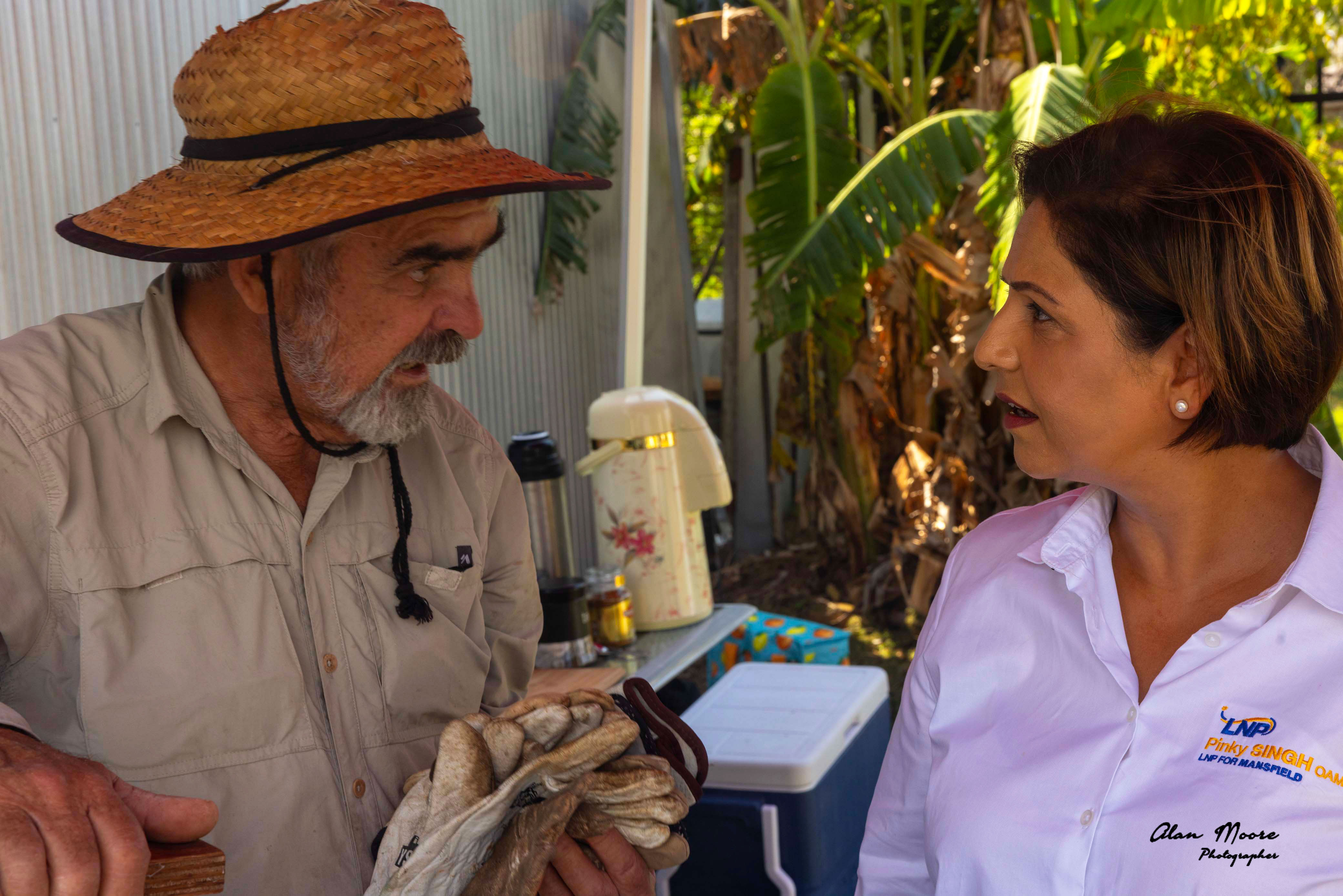
Introducing Pinky Singh, LNP candidate for Mansfield, to Showgrounds rewilding projectPanorama view of planting
Join other community members planting 200 wildflower plants.
Date: Saturday 5 October
Time: 9am to 12noon
Wear enclosed shoes and bring a water bottle.
Tools and gloves will be provided.
Morning tea provided.
The Wildflower Walk is the first step in restoring local native species to create a Pollinator Link habitat between Mt Gravatt Reserve and Bulimba Creek. Increased biodiversity will attract birds, butterflies and bees adding colour and song to this community space.
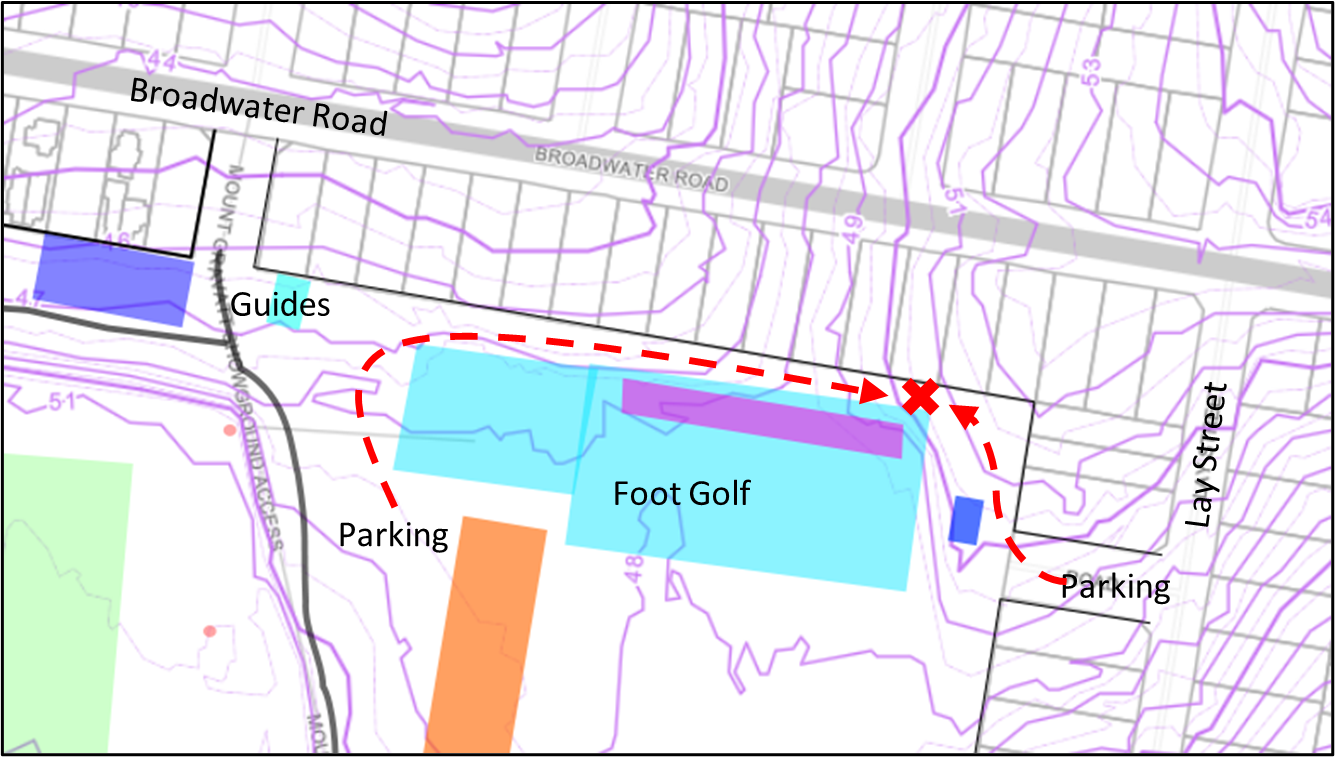
Park near the market or in Lay street. Walk to site X
It is inspiring watching the team working hard to help build our dream of creating another stepping stone for wildlife of Mt Gravatt Conservation Reserve needing to move through the urban matrix.
The first step was to remove patches of grass to create space for each plant. One special space we found was a hollow stump which allowed us to plant a tree to replace the one that had been cut down years ago.
Research of the original Regional Ecosystem covering the Showgrounds: 12.9-10/12, provided a guide to plant species to suit the site and provide food for local birds, butterflies and bees. One species: Eucalyptus seeana Narrow-leaved Red Gum are still on site with several specimens at least 200 years old. So it was particularly special to plant trees that our community to appreciate in another 200 years.
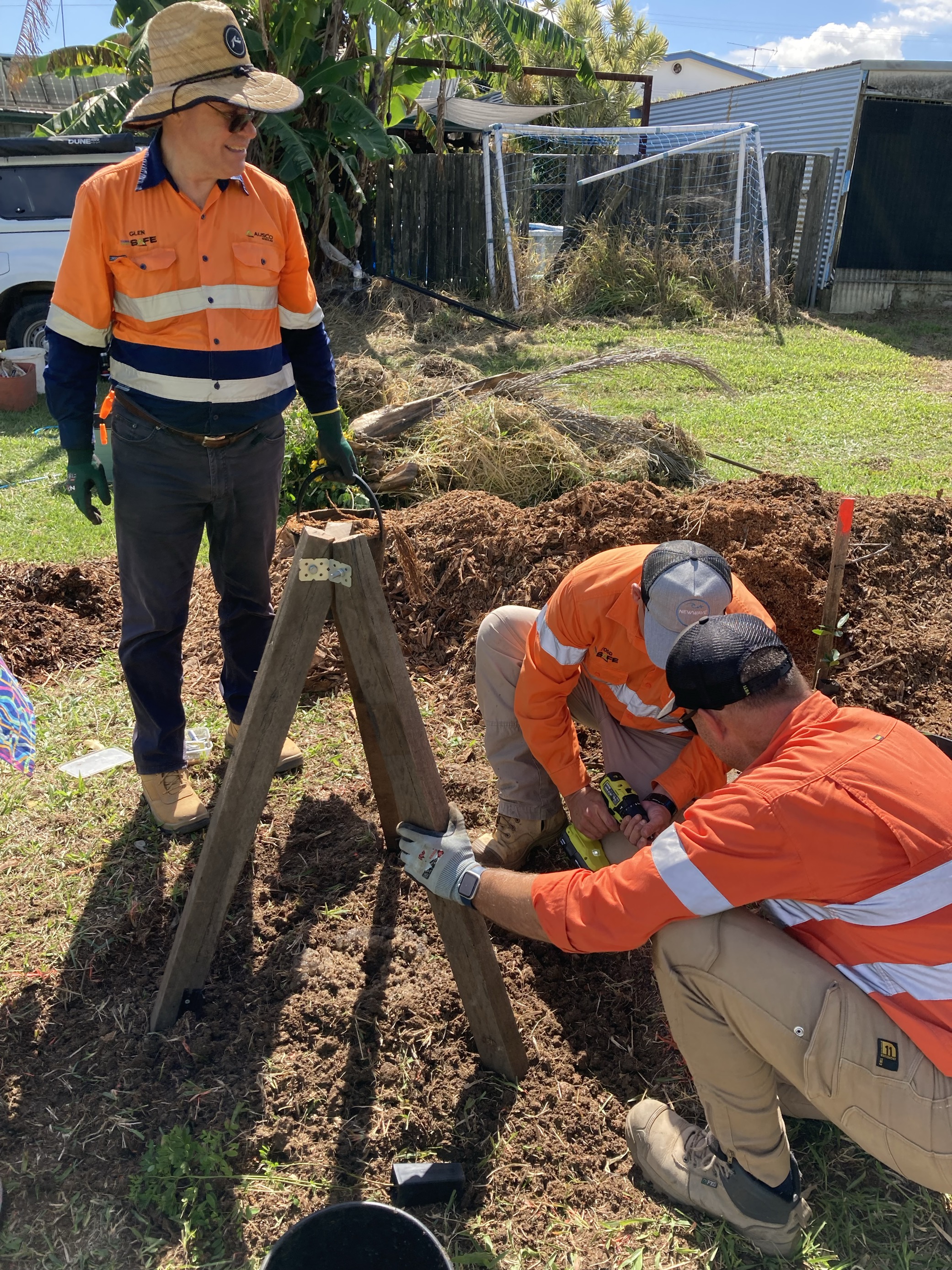
Construction Team installing Habitat Tripod
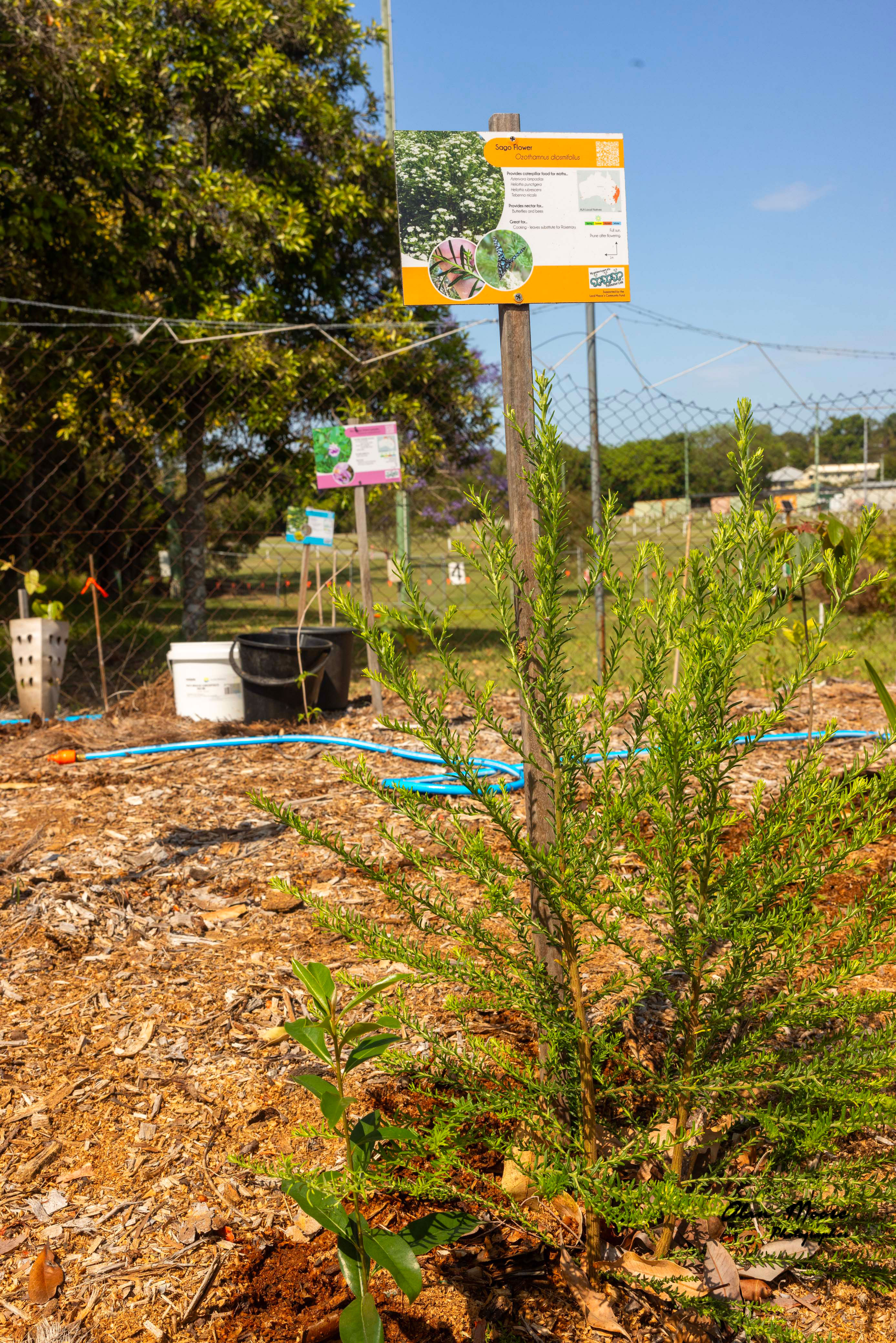
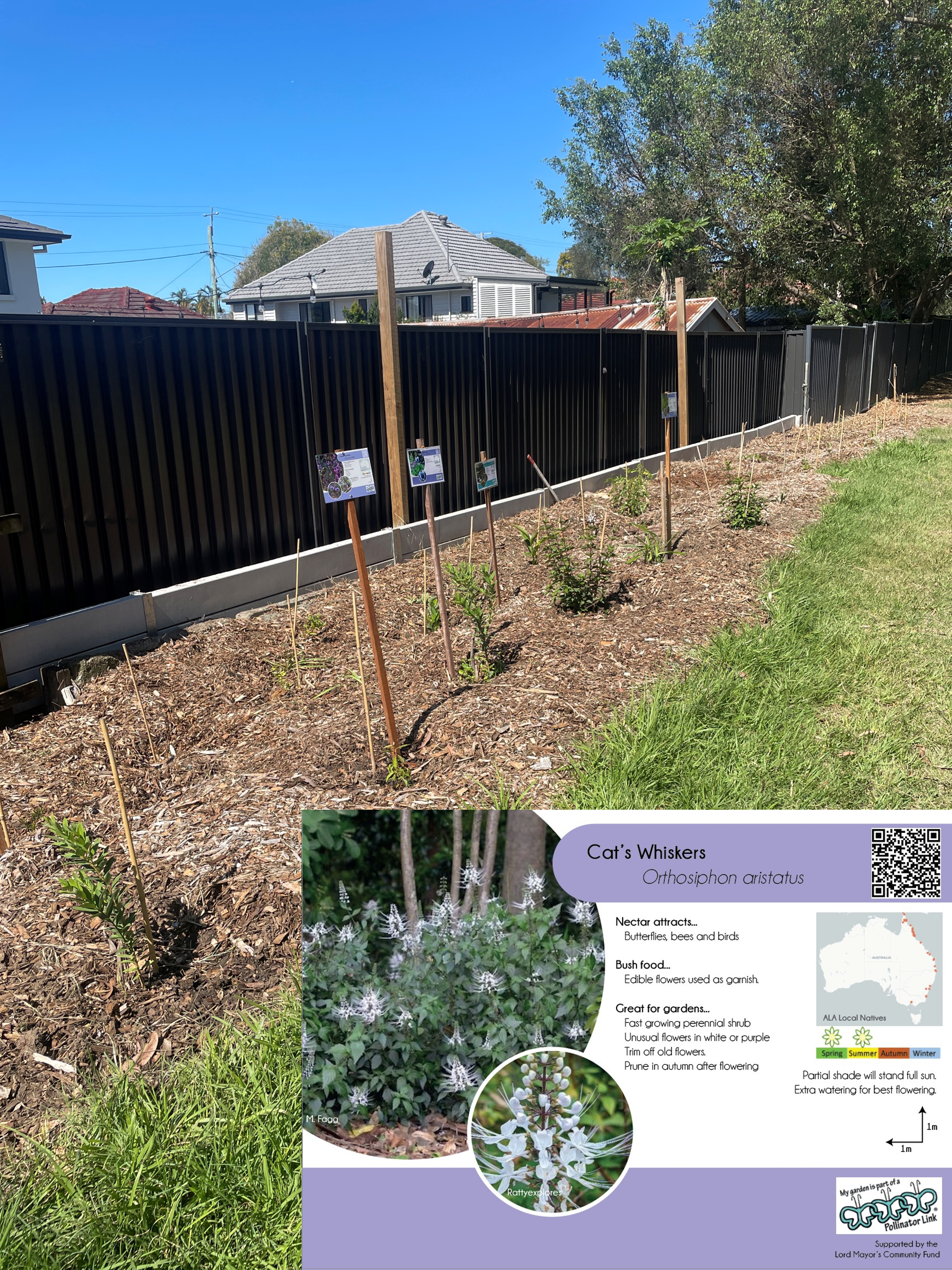
Information signs introduce community to species planted
The Ausco construction team stepped up to assemble our Tripod ready for planting the Twining Guinea Flower.
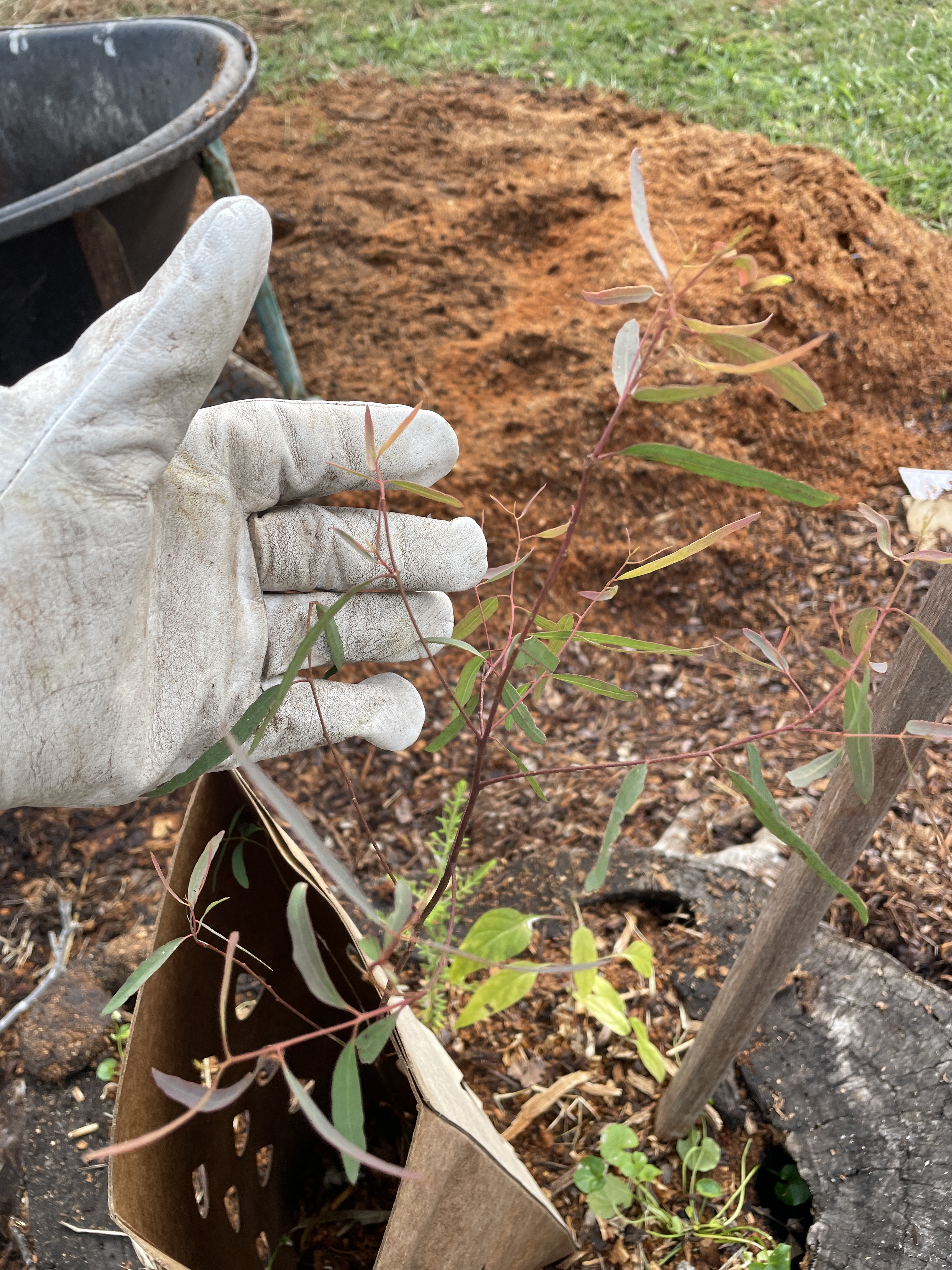
New growth on Eucalyptus seeana
Creating wildlife habitat in the Showgrounds will show community members the beauty of our local natives and demonstrate the importance of Plant Local to Feed Local as 80% of butterfly and moth caterpillars cannot feed on plants with which they have not evolved.
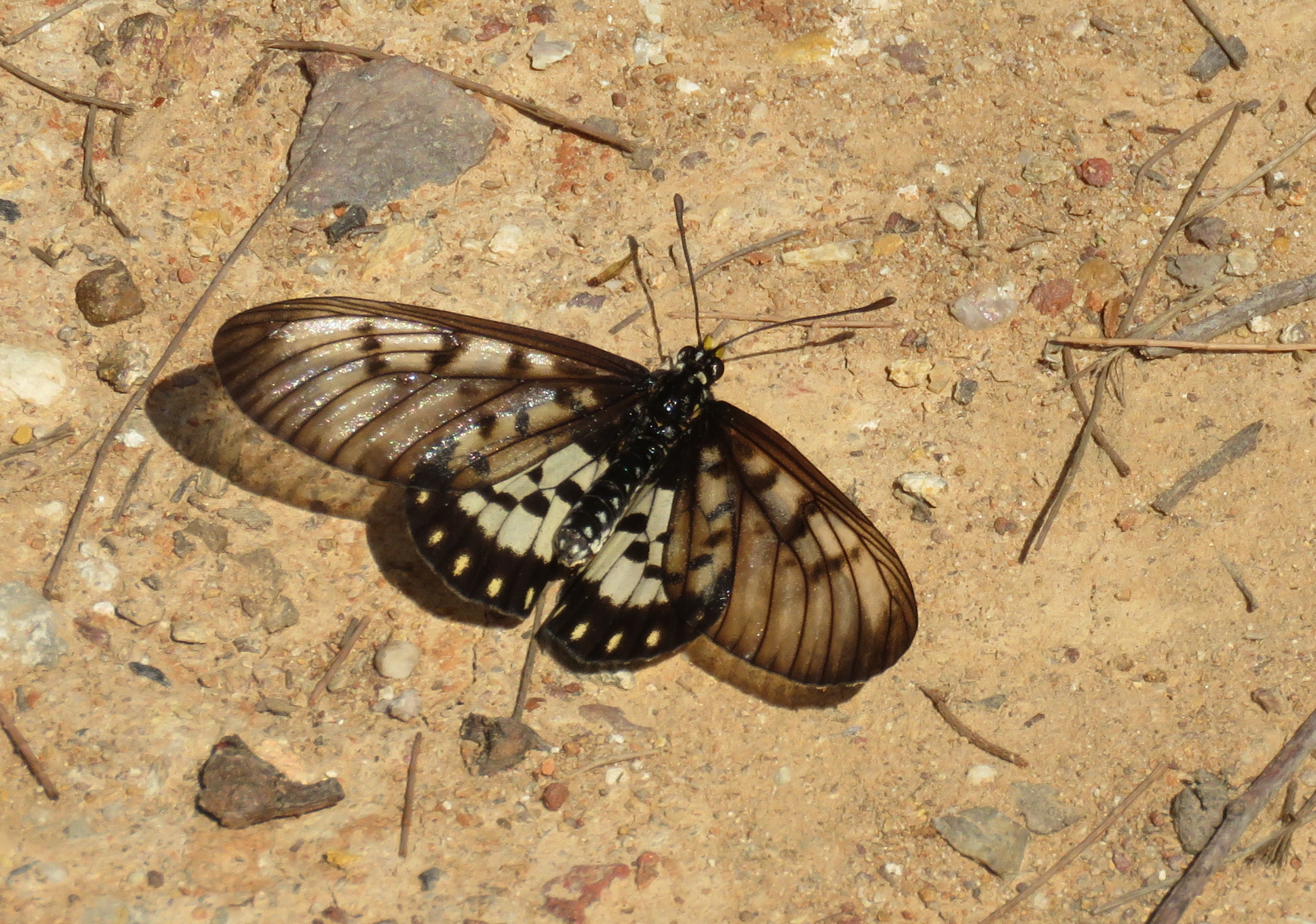
Glasswing butterfly
Glasswing caterpillar on Spadeflower
Installing information signs will engage community members with photos of flowers and wildlife that will visit. Including the map of where the species occurs naturally will reinforce the Plant Local to Feed Local message.
.
.
.
.
.
.
.
Local species also thrive in the habitat where they evolved. When we checked the Eucalyptus seeana after two weeks there is already significant new growth.
.
.
.
.
.
.
.
.
While we were working we also observed two butterfly species, a dragon fly and worms in the mulch.
This sale of the William”s family farm is a unique opportunity to increase the wildlife habitat of Mt Gravatt Outlook Reserve by 11% providing greater security for our growing population of Koalas and other wildlife. Professor Carla Catterall’s letter outlines the unique value of this property:
The subject land is low lying and riparian, and currently contains regenerating vegetation. It has a high potential for strategic restoration into a more natural ecological community, of especially high value due to its location adjacent to conserved bushland of slopes and ridges. Professor Carla Catterall
While more than half this property is listed in the BCC City Plan as state environmental significance there will be a strong push by property developers to override the Council zoning.
The farm land is roughly triangular. The whole darker green area is zoned state environmental significant with the lighter green the farm land that is “protected.”
The remaining land can potentially developed but there are significant issues with increased traffic accessing Klumpp Road which is another reason the Council will resist any development.
Our support can reinforce Council’s commitment to preserving this valuable parcel of habitat.
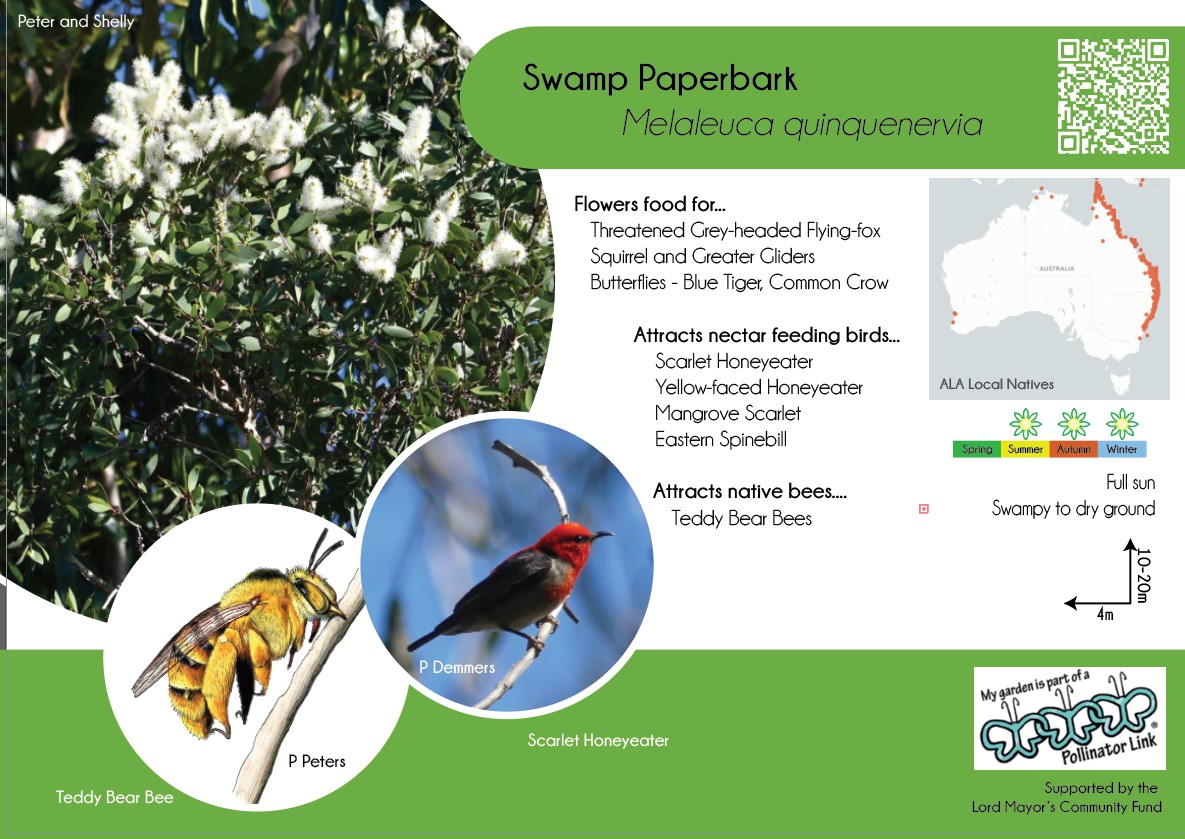
Swamp Paperbarks Melaleuca quinquenervia have been planted near an area that gets boggy to help soak up the excess water. Two months on and the Melaleucas are now higher than the plant shelters. My experience is that tube stock will out perform larger more expensive plants.
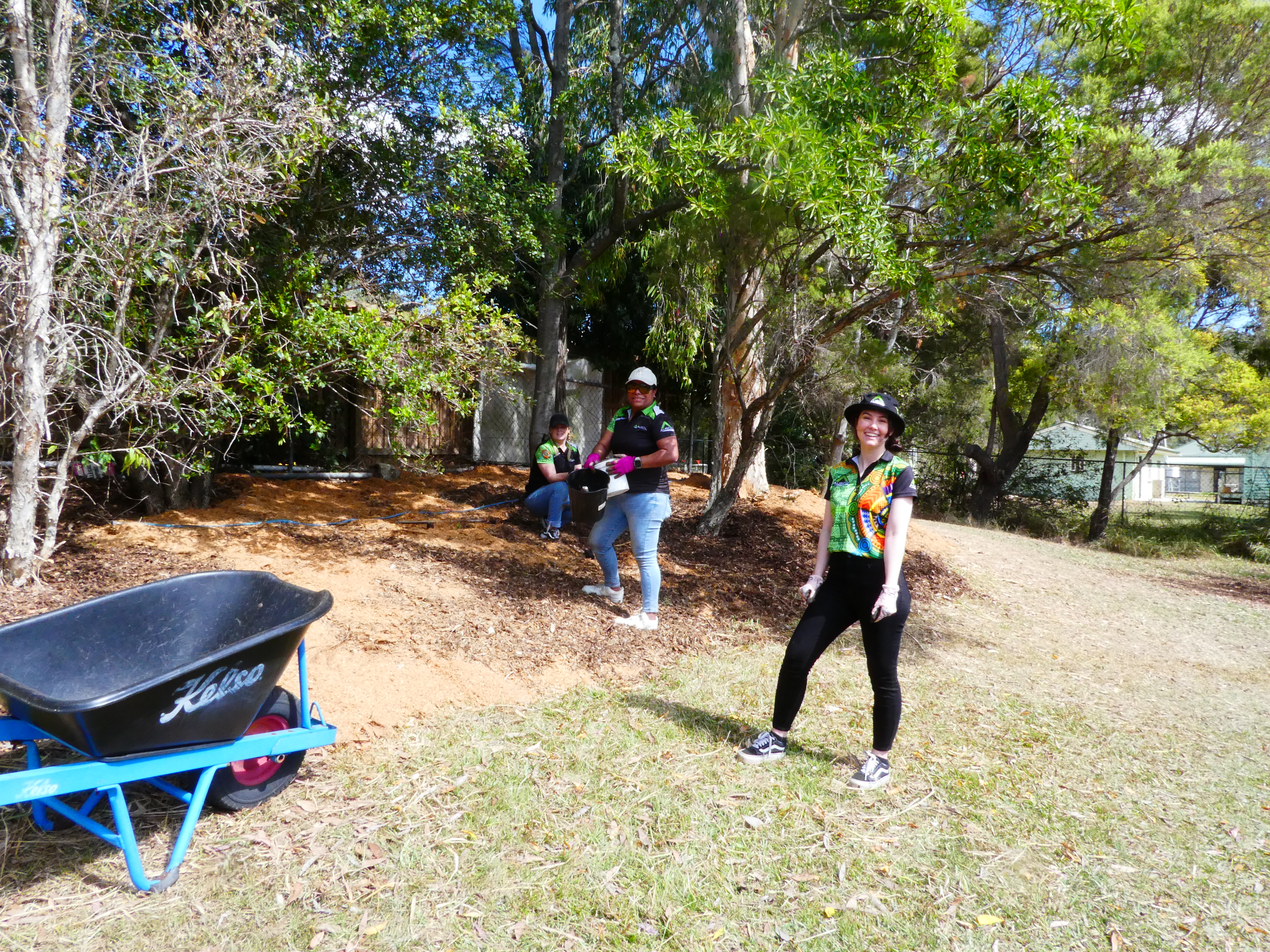
Weeding done and plants in, it’s time for mulch. Damian saved a lot of wheelbarrow work with his end loader then the team dug in spread the mulch around the new plants.
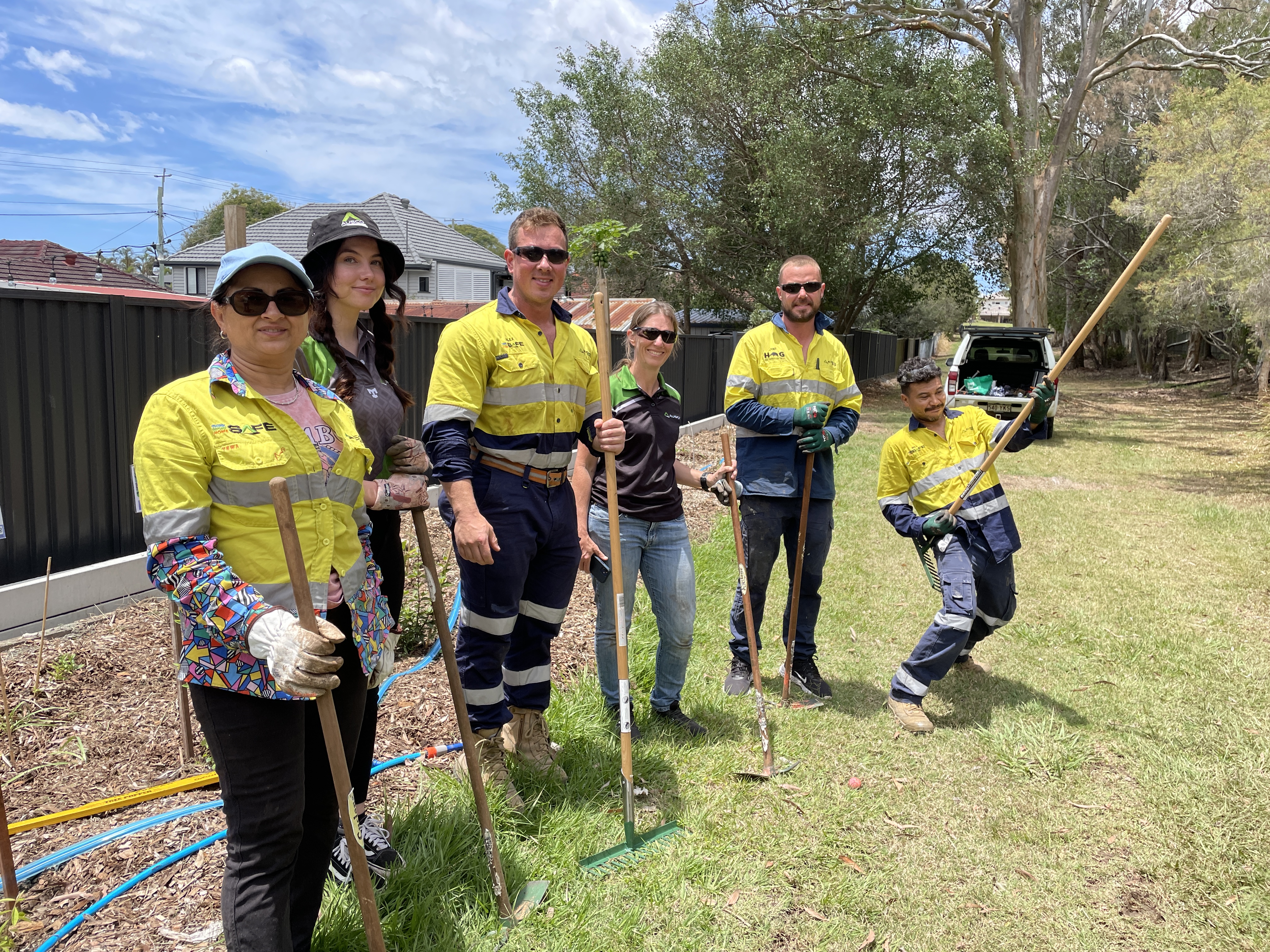
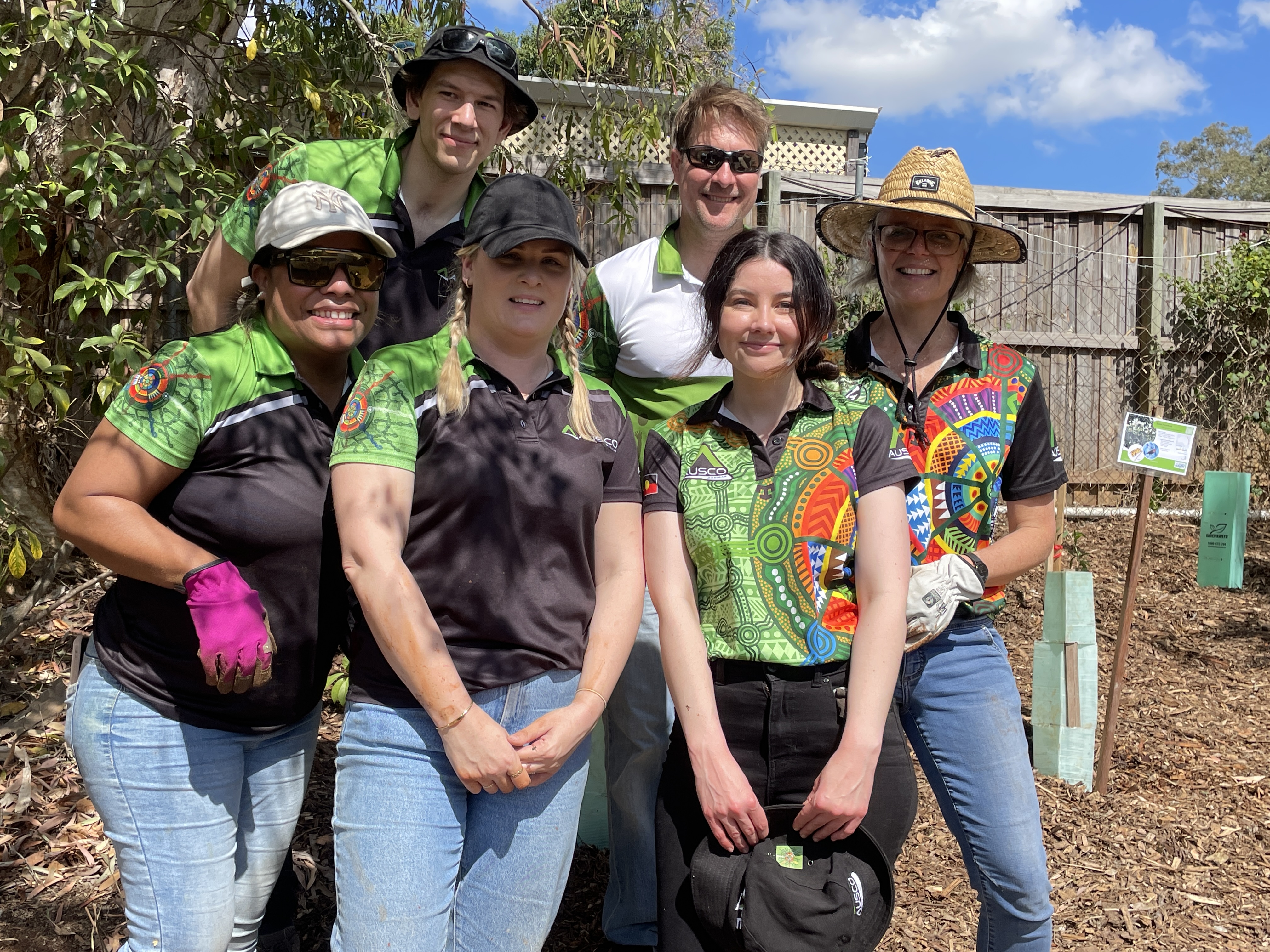
The Ausco team are very proud of their work and … the evidence suggests they had fun.
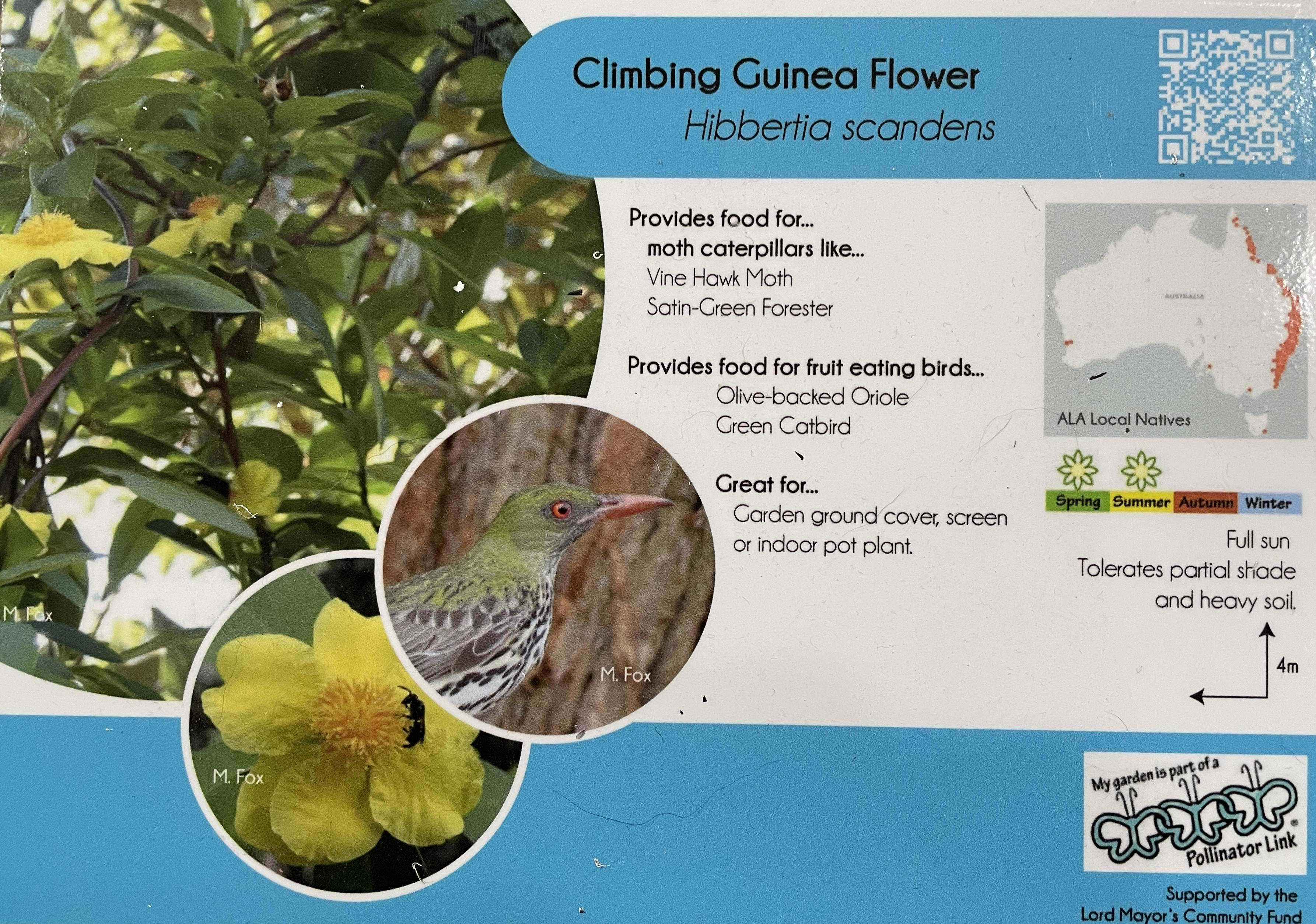
We have started placing our new plant information signs that show people not only what the plants look like but also what butterflies, bee, etc are attracted. Also included is information on use as bush food, where the plant occur naturally and when they flower. The objective is to have plants flowering all year to attract insects as food for insect eating birds.
I am now working with Jenny Winckworth, Sustainability & ESG Lead | Ausco Modular Pty Limited, to plan next year’s events. The Ausco team have a vision of the Wildflower Walk extending right along the fence line, so that is the plan for 2024.
The Ausco Modular Team loved the event in June when we planted the first stage of the new Wildflower Walk and Pollinator Link habitat to build a wildlife corridor connecting Mt Gravatt Conservation Reserve. This week we welcomed the team back to continue their excellent work.
.
Site ready for planting
First step was preparing the area for planting which was not easy work as the ground is hard as rock when dry, so it was great to have an energetic team ready to go.
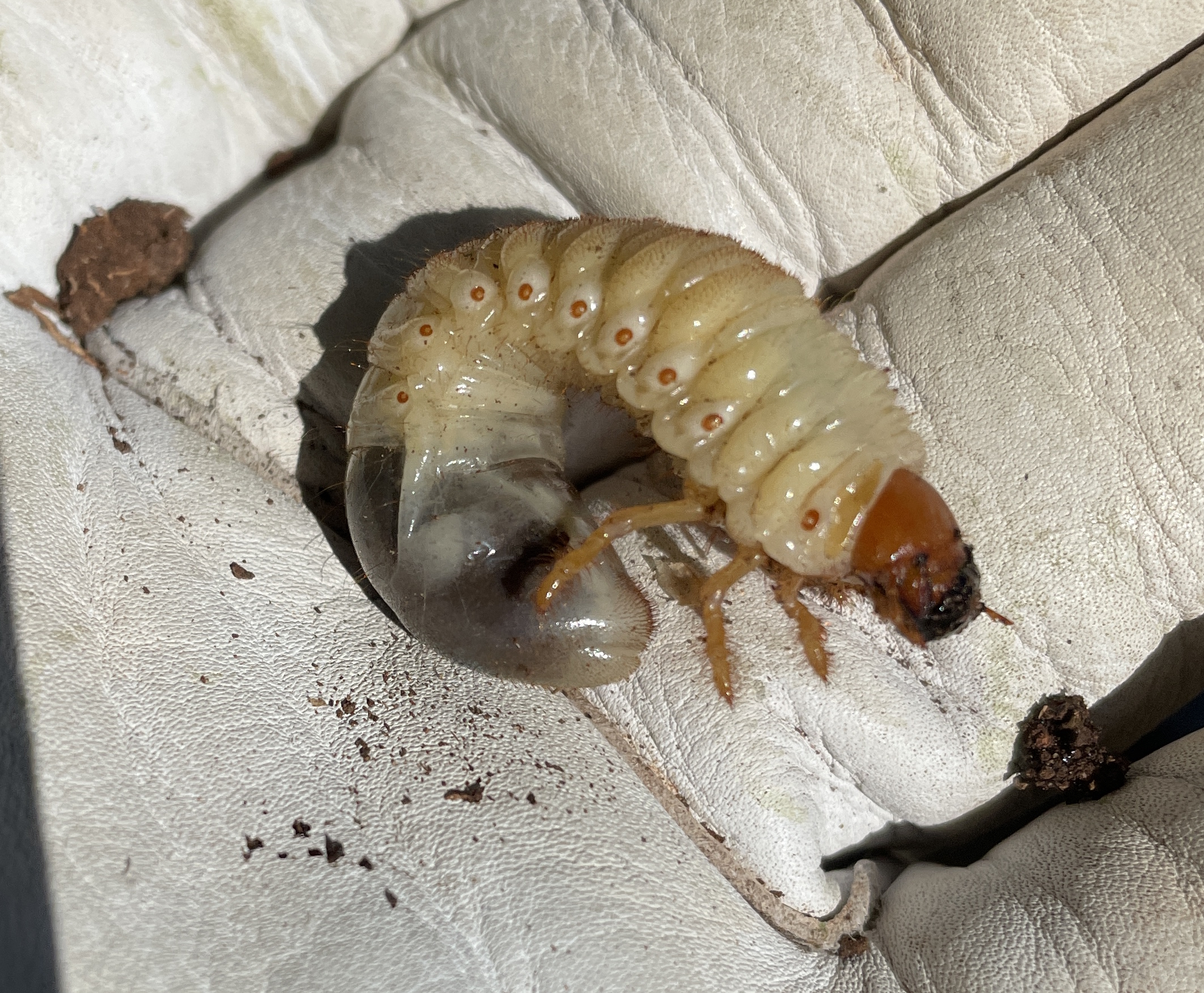
The objective is to create more wildlife habitat and increase the number of birds, butterflies and bees visiting the Showground. However, we already found Rhinoceros Beetle larvae Xylotrupes gideon while we were working.
It’s a stunning winter morning, everyone has huge smiles. An amazing community team have come together to create a Wildflower Walk.
This is the first step in restoring local native species to create a Pollinator Link habitat to attract and feed birds, bees and butterflies back to Mt Gravatt Showgrounds. The long term strategy includes progressively removing alien species like the invasive Chinese Elm while creating frog habitat and shady picnic areas.
It was a real pleasure meeting this energetic positive Ausco team and learn more about their organisational values which are reflected in this quote from Jenny Winckworth, Sustainability & ESG Lead:
Ausco Modular builds and hires out modular buildings and also provides accommodation in more rural areas, mainly for mining clients. Ausco Modular buildings have less embodied carbon in them than traditional builds, can be used multiple times (the average is 20) and are 96% recyclable. As part of our ongoing commitment to the environment in which we live and communities where we operate, we’ve committed to reducing our carbon emissions by 2.5% per annum based on our 2020 baseline and are actively investigating ways of reducing our waste to landfill and water consumption. We also encourage our staff to volunteer in the community during work hours.
Having community members join the planting team added to the positive atmosphere. Laurie, Heather and Benno (Fox Gully Bushcare team) organised a real production line with a group digging holes: crowbars were required in places, others followed on with water, water crystals and fertilizer tabs. Plants in the team barrowed, bucketed and raked a thick layer of mulch to manage weeds, retain water and keep the soil cool: cool temperature is vital for the macrofauna like earthworms, microfauna and microflora, such as protazoa, nematodes, and fungi, which maintain soil health.
Thank you to all our energetic volunteers and particularly group leaders Laurie, Heather and Benno who did most of the work organising the event and Alan for the photography.
























 Pollinator Link