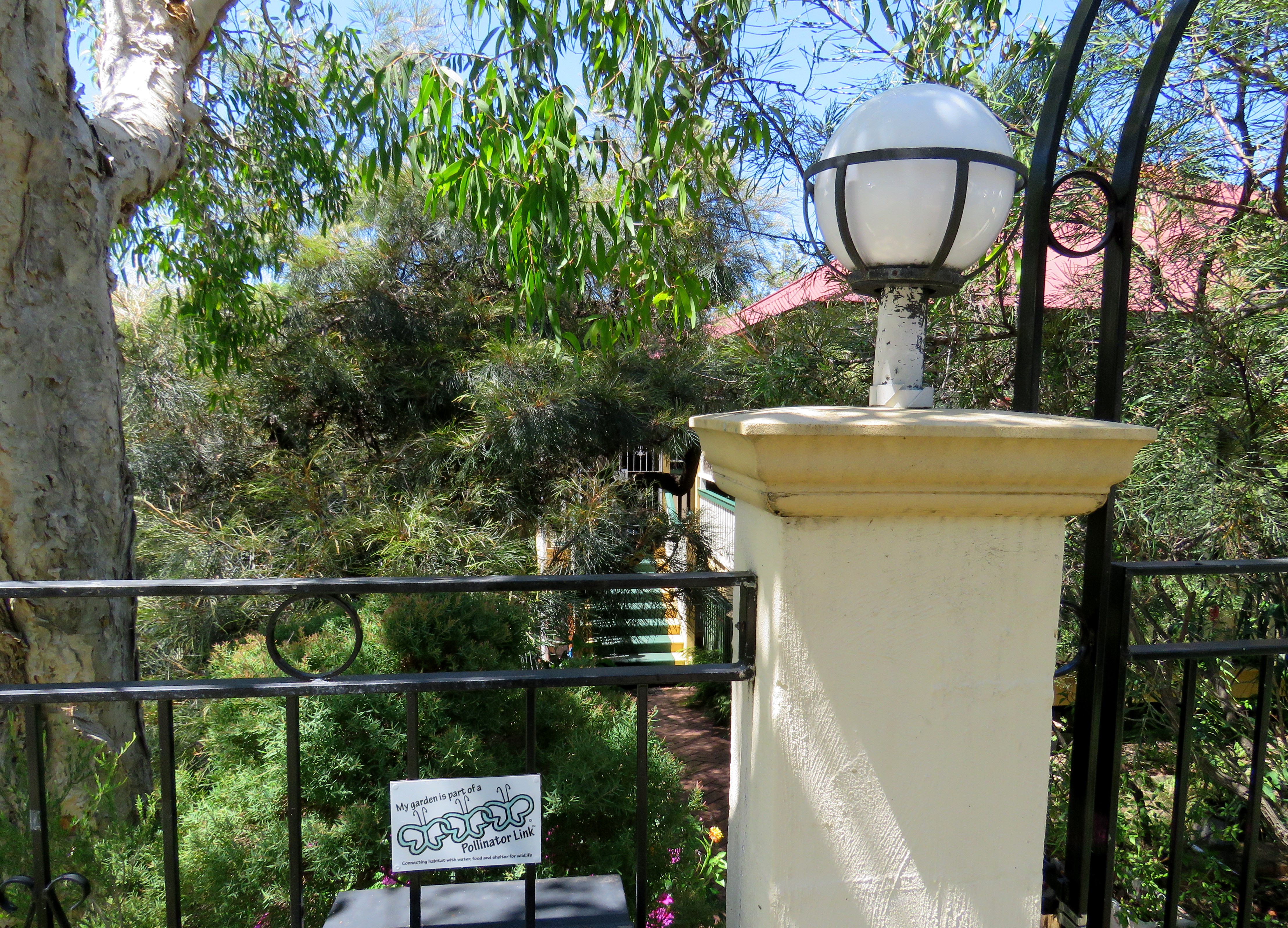
Explore Bernadette’s Pollinator Link garden

Front entry - 3 Jan 2018By: Michael Fox

Visiting the Pollinator Link garden of Bernadette and Len Crook is like an adventure in a botanic garden. Step through the front gate straight into an urban forest habitat supporting bird, butterflies and bees.
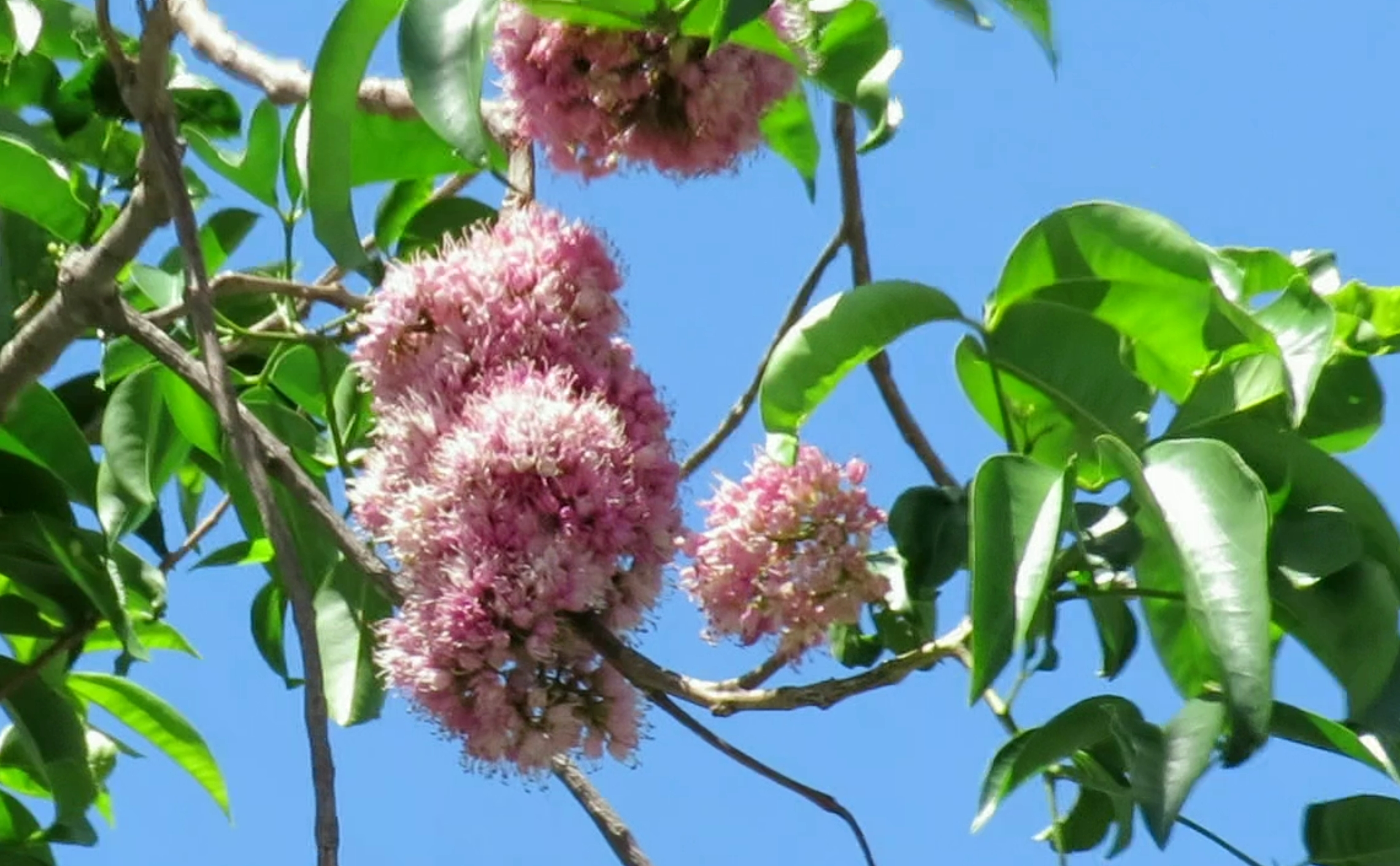
Melicope elleryana - 3 Jan 2018

Pink-flowered Doughwood Melicope elleryana

The balcony provided an ideal location for me to appreciate the plant diversity and the cool shade of the dappled garden. Like visiting a botanic garden, I also learned about a beautiful native tree very popular with Rainbow Lorikeets Trichoglossus haematodus, fruit eating birds, like the Australasian Figbird Sphecotheres vieilloti, and nectar hunting butterflies.

The Pink-flowered Doughwood Melicope elleryana is a rainforest tree found in coastal areas from North Queensland to northern NSW. A fast growing tree that loves full sun and moist conditions.
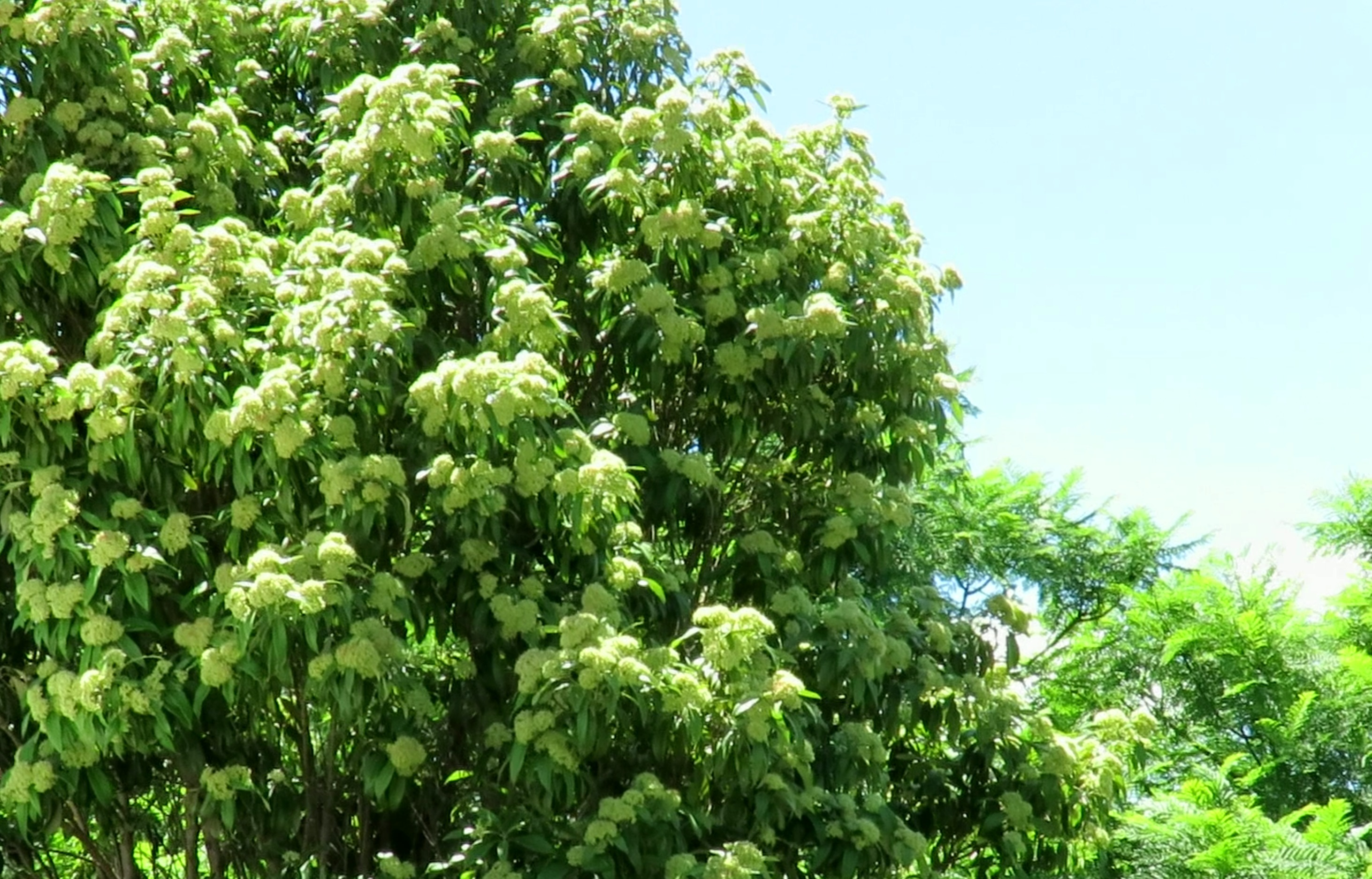
Backhousia citriodora

Lemon-scented Myrtle Backhousia citriodora

The Lemon-scented Myrtle Backhousia citriodora is a versatile Pollinator Link  plant that can be grown in a pot on a balcony garden or used as a screen in the backyard. Lemon-scented Myrtle not only attracts birds, butterflies and bees, it is also a versatile bush food used in teas, cakes, biscuits, sauces, ice creams, and meat dishes.


Euploea core

Common Crow chrysalis

Common Crow Euploea core caterpillars feed on a wide variety of native plants and, evidence suggests, at least one exotic, the red flowering Brazilian Jasmine Dipladenia sanderii 
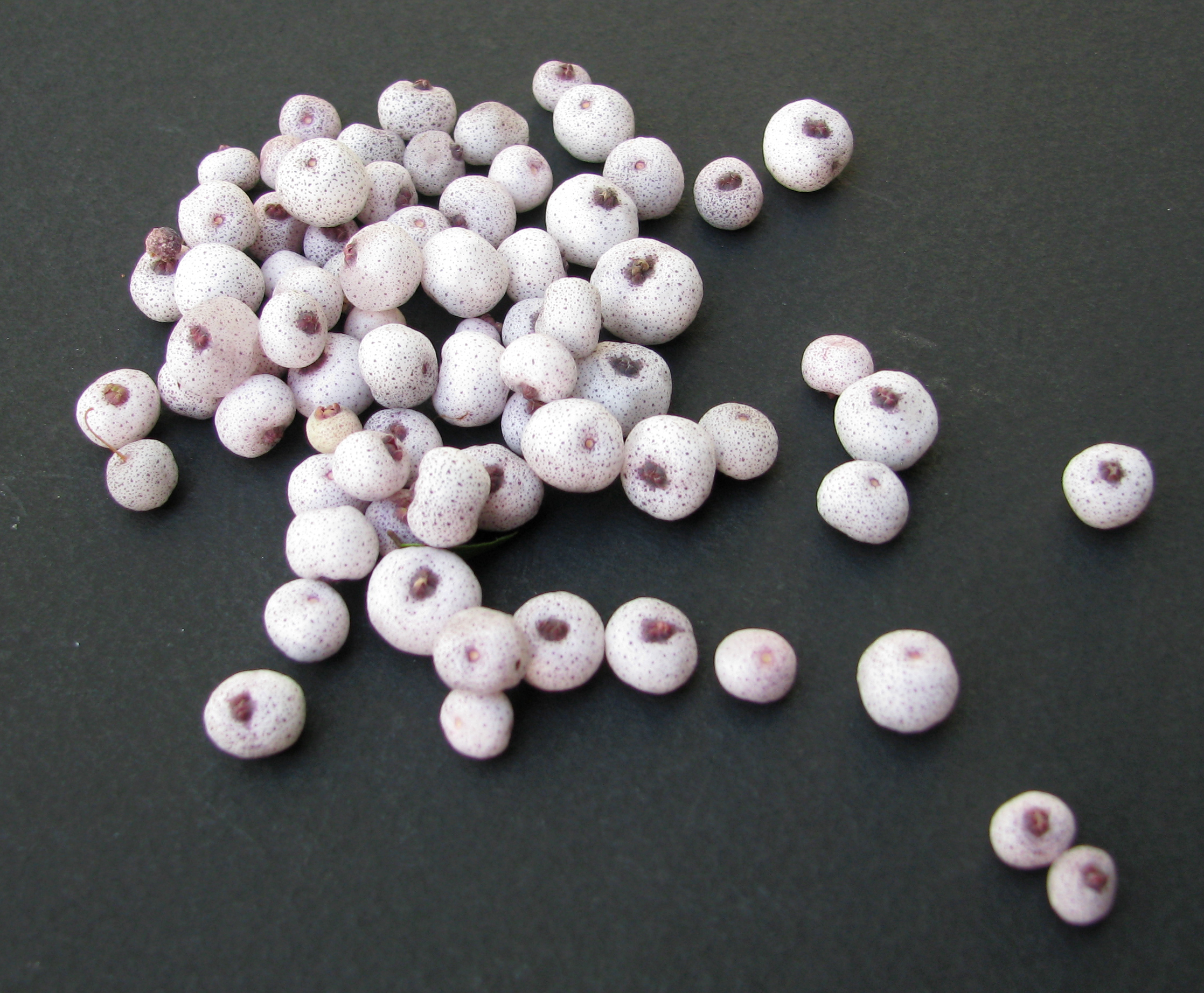
 

Midgen Berry -Austromyrtus dulcis - fruit - Feb10

Midgen Berries: tempting bush food


Midgen Berry Austromyrtus dulcis is a  white flowering low growing (Height 0.5m Width 1.4m) shrub producing pretty tasty fruit bound to tempt young visitors to your garden.
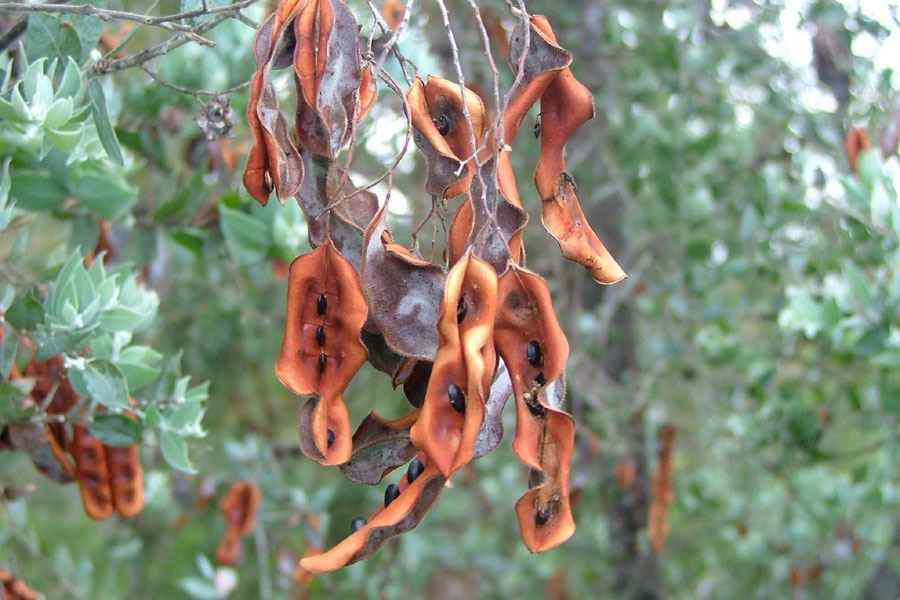
acacia podalyriifolia - photo Sheldon Navie

Silver Wattle Acacia podalyriifolia

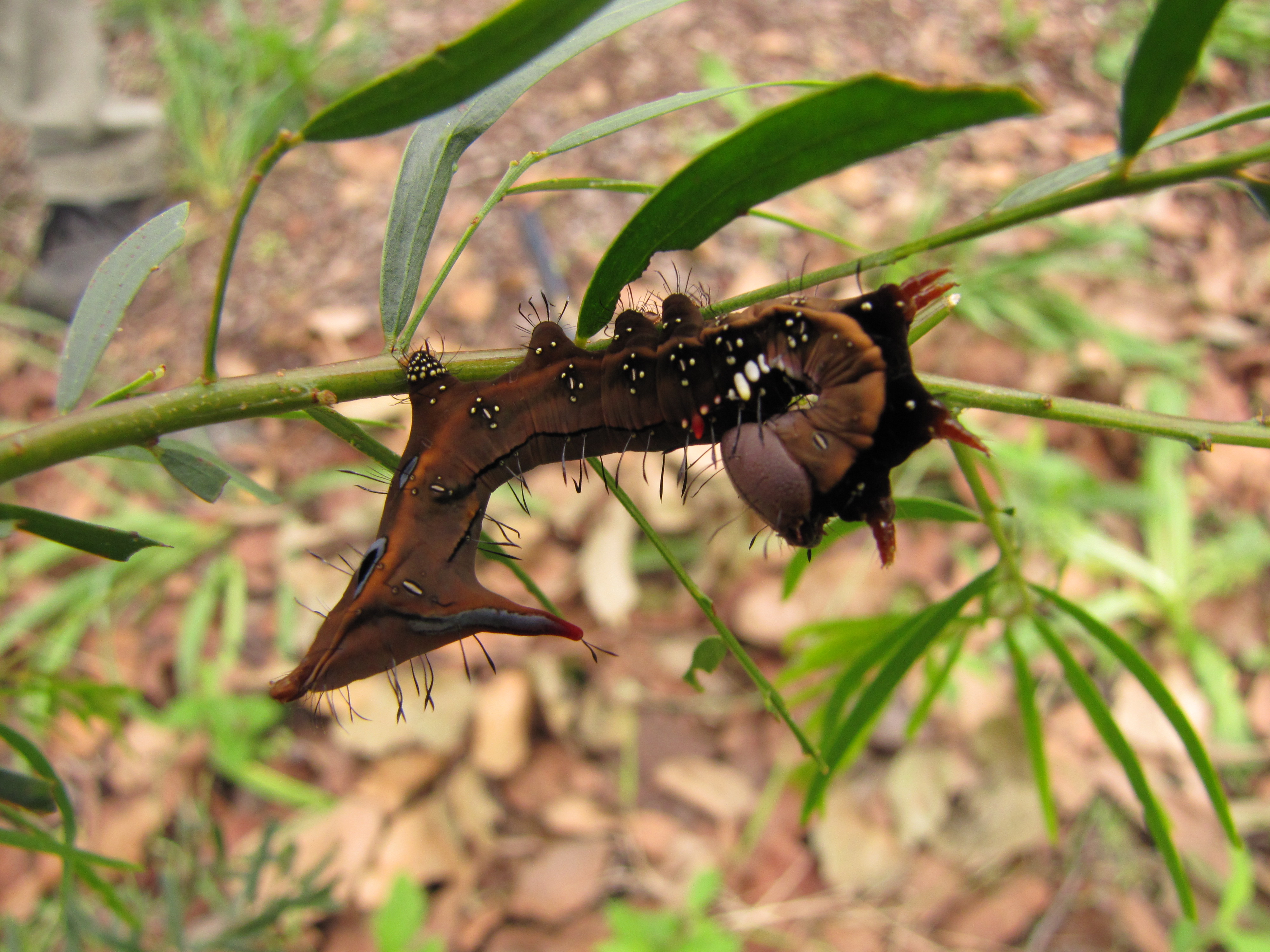
Wattle Notodontid Moth 1 - 26 Oct 10

Wattle Notodontid Moth caterpillar


Silver Wattle Acacia podalyriifolia with its attractive silver grey foliage provides a year round backdrop complemented with regular displays of bright yellow flowers. Seeds provide food for seed eating birds and foliage caterpillar food for Granny’s Cloak Moth and the curious Wattle Notodontid Moth Neola semiaurata caterpillar.
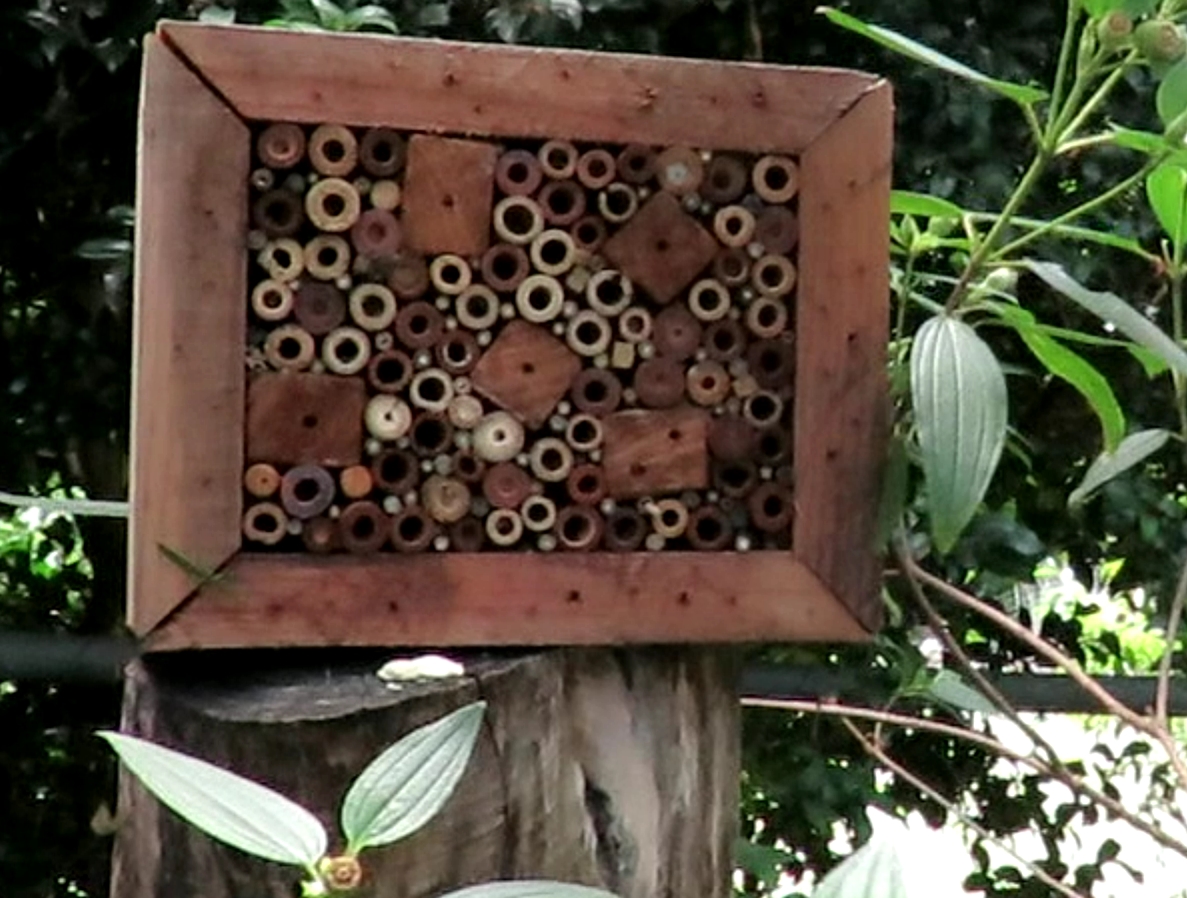
Bee Home

Backyard Bee Home


Take a leaf out of Len’s book and make your own Backyard Bee Home as an attractive sculpture for your garden and Shelter for solitary native bees like Leaf Cutter and Resin Bees.

Australia has over 2,000 solitary bee species that hatch out in spring to pollinate our gardens. Blue-banded Bees are particularly valuable pollinators of tomatoes and other vegetables.
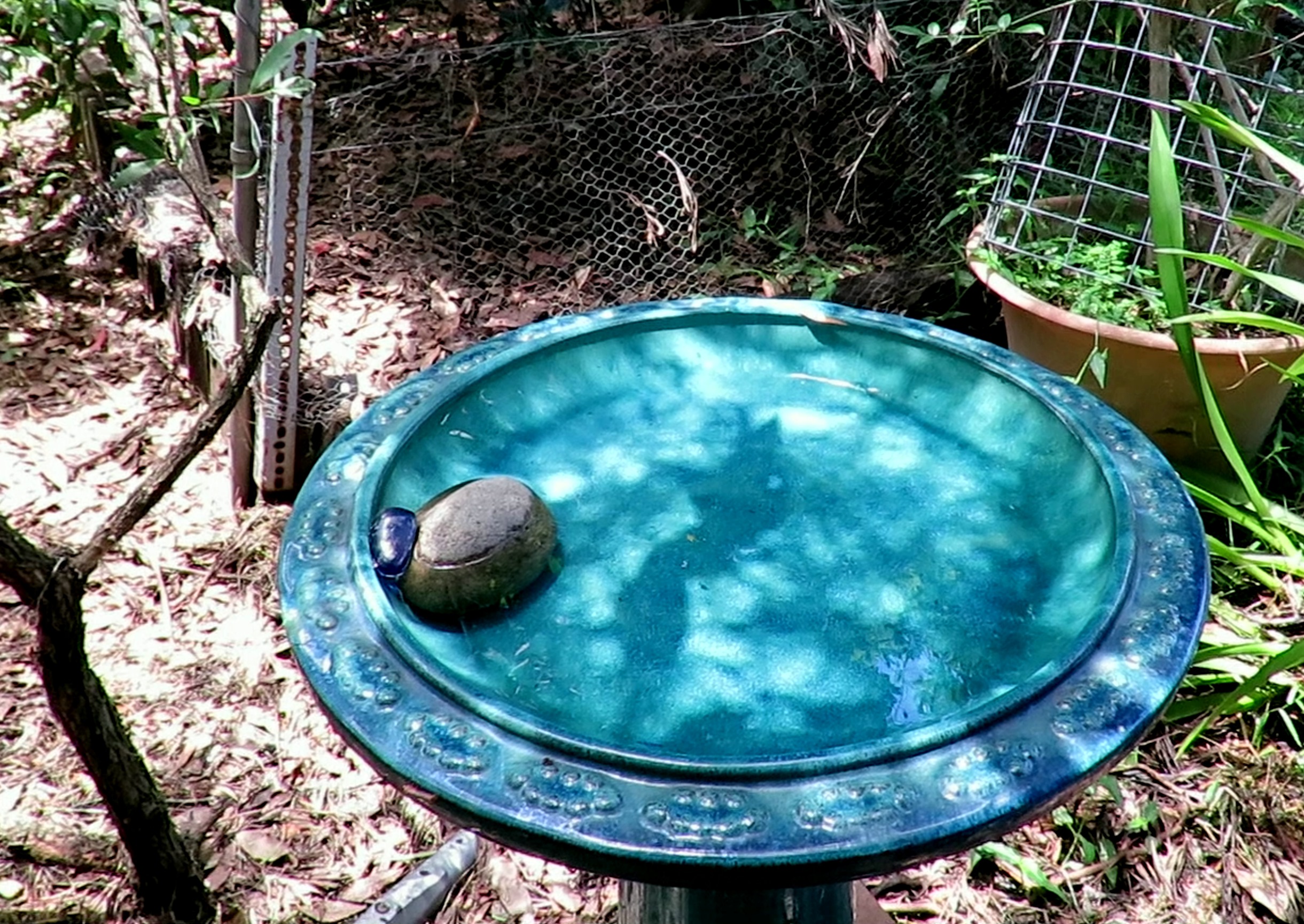
Blue birdbath

Rescue rocks in birdbath


Some rocks or sticks in your birdbath will allow insects and lizards to escape if they fall in.
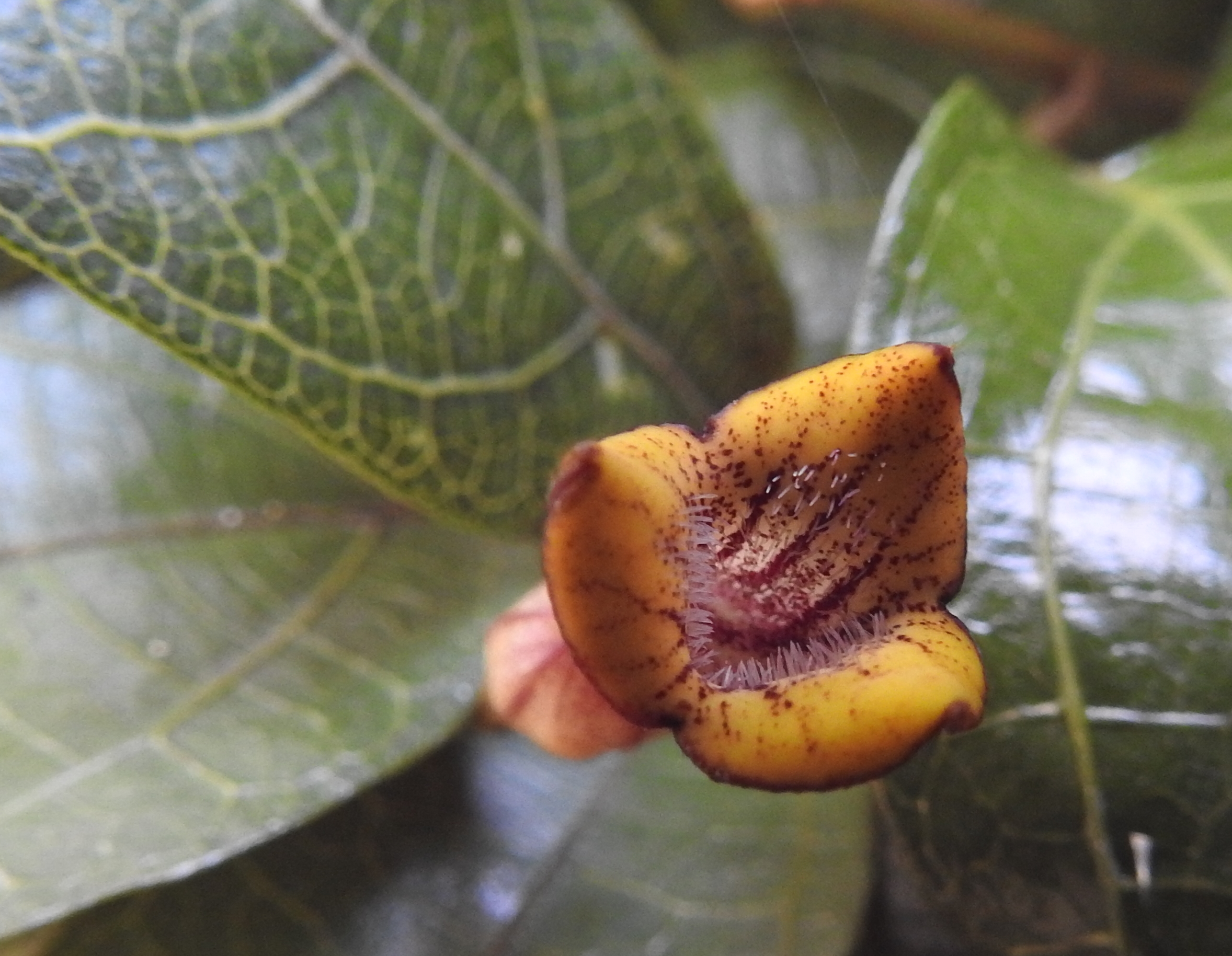


Richmond Birdwing Butterfly Vine - Pararistolochia praevenosa - flower - 16 Oct 2016

Richmond Birdwing Butterfly Vine Pararistolochia praevenosa


Planting Richmond Birdwing Butterfly Vines Pararistolochia praevenosa is a valuable contribution to conservation of this spectacular but vulnerable butterfly.
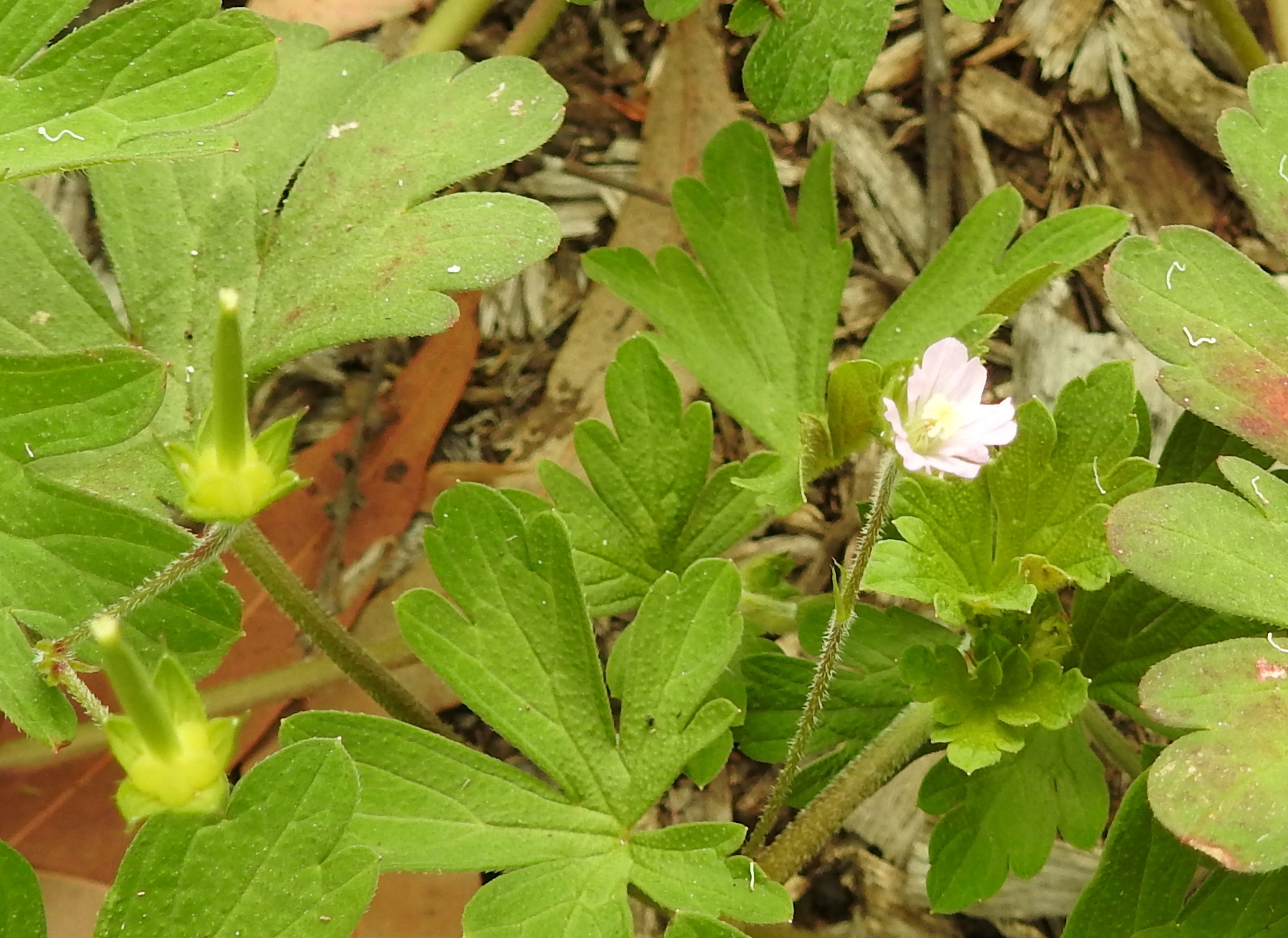
Native Geranium -Geranium solanderi - flower - 12 Oct 2016

Native Geranium Geranium solanderi


Native Geranium Geranium solanderi is a hardy native herb that is happy in dry conditions like a rockery.
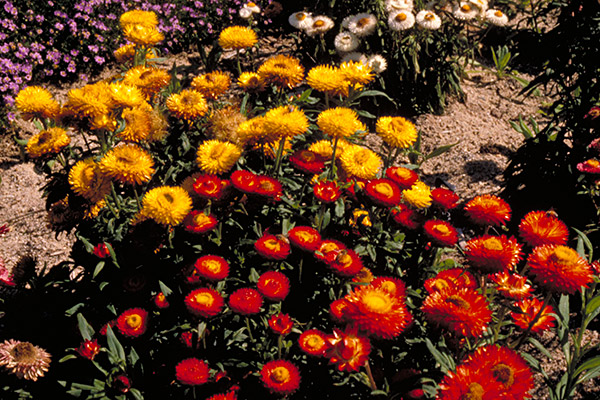
Xerochrysum bracteatum Photo ANPSA

Xerochrysum bracteatumcultivar Photo: Australian Native Plants Society (Australia)


Golden Everlasting Daisy Xerochrysum bracteatum and the wide range of cultivars will add a splash of colour to your garden and provide caterpillar food for the Australian Painted Lady Vanessa kershawi butterfly.

Love Flower - Pseuderanthemum variable - GPP Jan 30 10

Love Flower Pseuderanthemum variable


The delicate Love Flower Pseuderanthemum variable is one of my favourite Pollinator Link plants providing Food for five butterfly species: Australian Leafwing, Blue Argus, Blue-banded Eggfly, Danaid Eggfly, Common or Varied Eggfly.
Posted in Pollinator Link, Wildlife Corridor | Tagged , , , , , , , , , , , , , , , , , , , , , , , | Leave a comment

Exploring Marie’s Pollinator Link Garden


By: Michael FoxFront gate

Explore Marie Hollingworth’s garden with me. Marie’s garden is part of the Corinda Creeks link creating mosaic habitat in Oxley Creek Catchment.

Entering Marie’s Pollinator Link garden is an adventure in discovery: lizards, butterflies, moths, bees, spiders.

Insects are important food for the small insect-eating birds that are scarce in our city gardens, as well as, providing free eco-friendly pest control services for your vegetable garden.

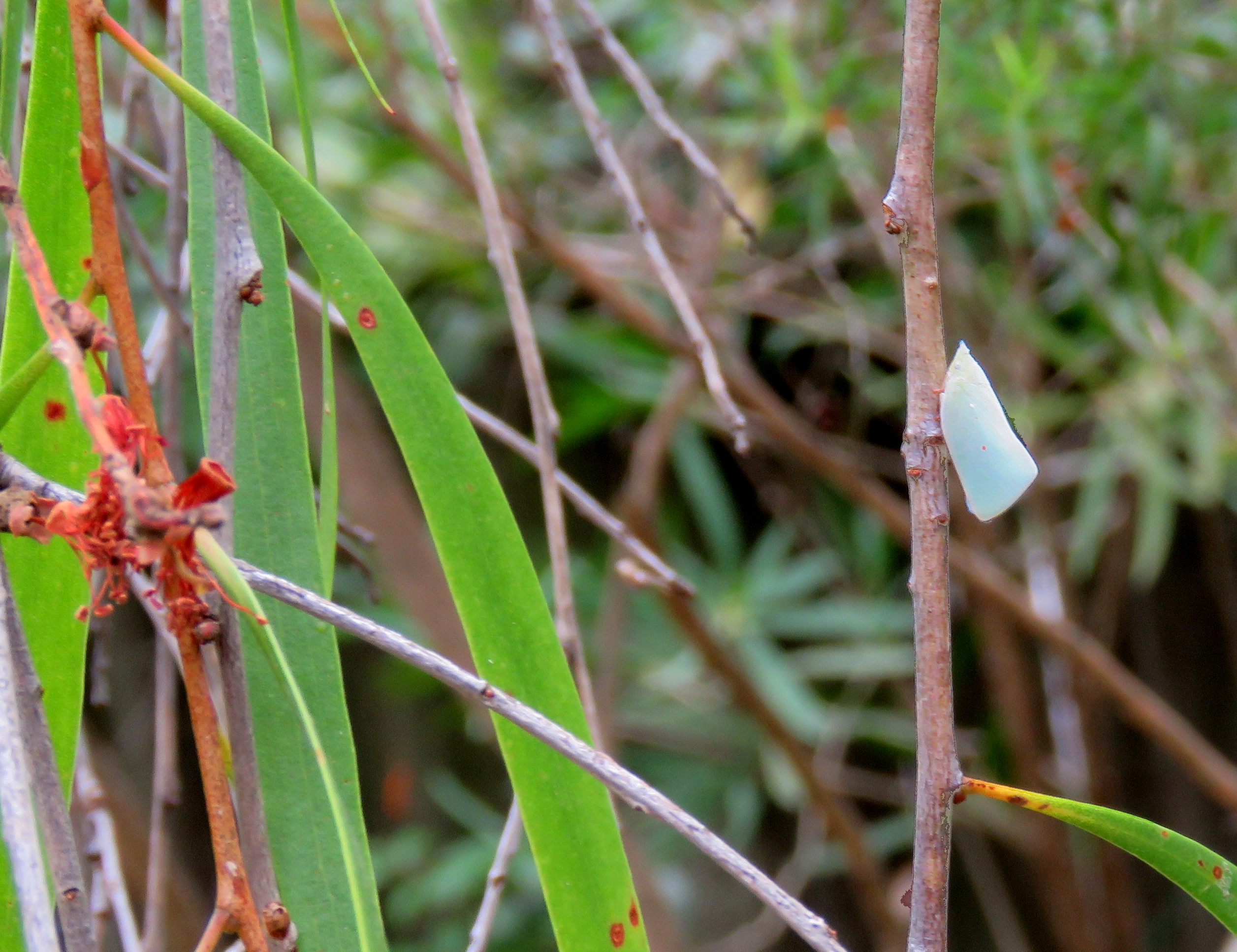
Tiny Mango Planthoppers Colgaroides acuminata are one of the first curious creatures I found in Marie’s Bird Food Deli.


Love Flower - Pseuderanthemum variable - 1 Jan 2018

Love Flower Pseuderanthemum variable

A diversity of local plants is key to inviting insects including butterflies into your garden.

“350 butterfly and moth caterpillars found on local native plants for every10 caterpillars found on exotic plants.”
Bringing Nature Home – Tallamy 2012

Love Flower Pseuderanthemum variable is scattered through Marie’s garden providing food for five local butterflies: Australian Leafwing, Blue Argus, Blue-banded Eggfly, Danaid Eggfly and Varied Eggfly.

Monarch - 2 Jan 2018

Monarch Danaus plexippus


Butterflies already visiting Marie’s garden:

Monarch or Wanderer Danaus plexippus a late comer to Australia.


Cycad Blue - Theclinesthes onycha - 2 Jan 2018 cropped

Cycad Blue Theclinesthes onycha


Cycad Blue Theclinesthes onycha butterflies love to feed on the Cycads native to South East Queensland.


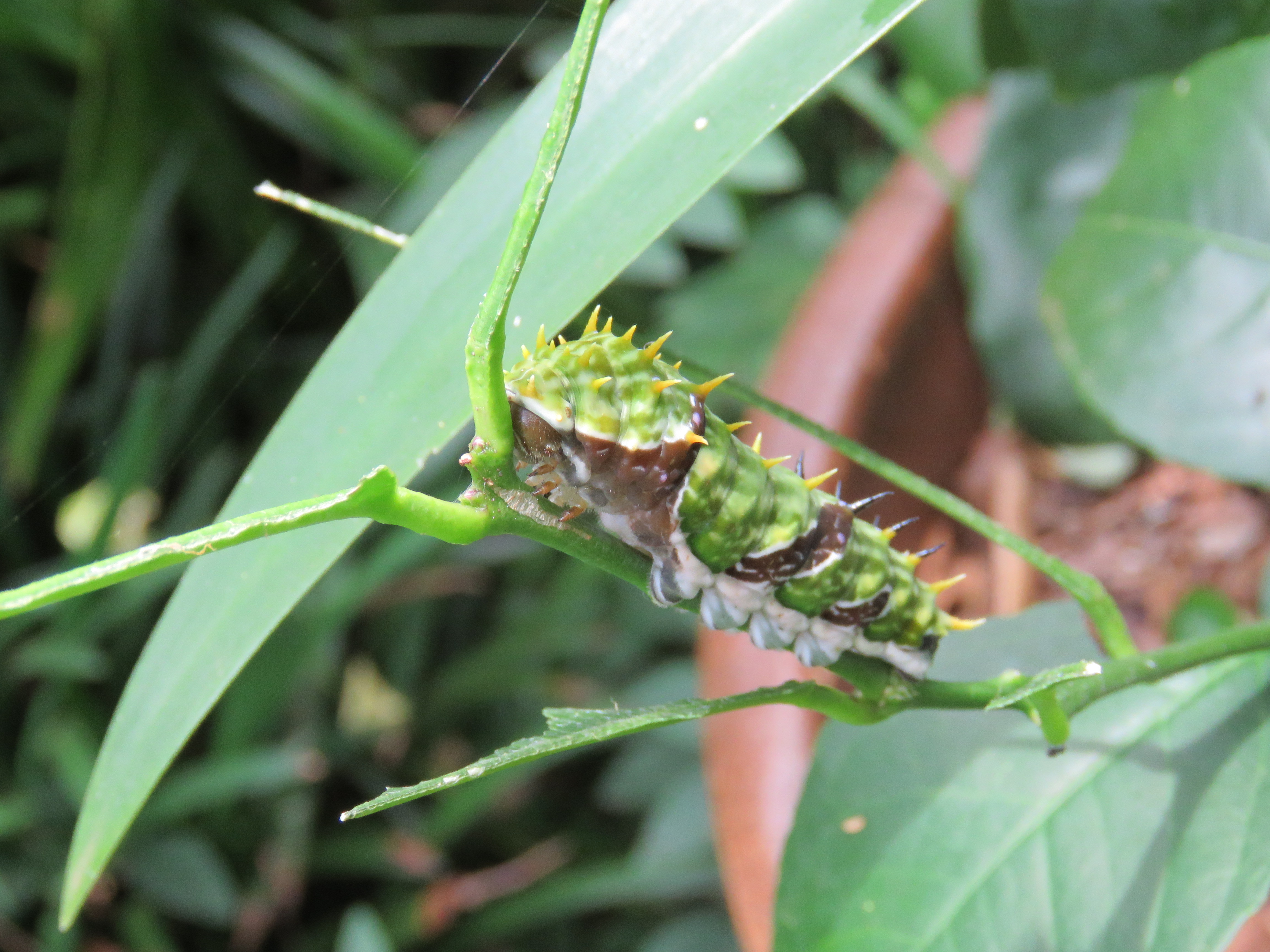
Citrus trees are food for Orchard Swallowtail Papilio aegeus caterpillars.


Tooth White Banded Noctuid - Donuca orbigera - 2 Jan 2017

White Banded Noctuid Donuca rubropicta


The spectacular White Banded Noctuid Moth Donuca rubropicta found in the garden. No information is available on food plants. However there must be something good to eat among the diverse plant species.


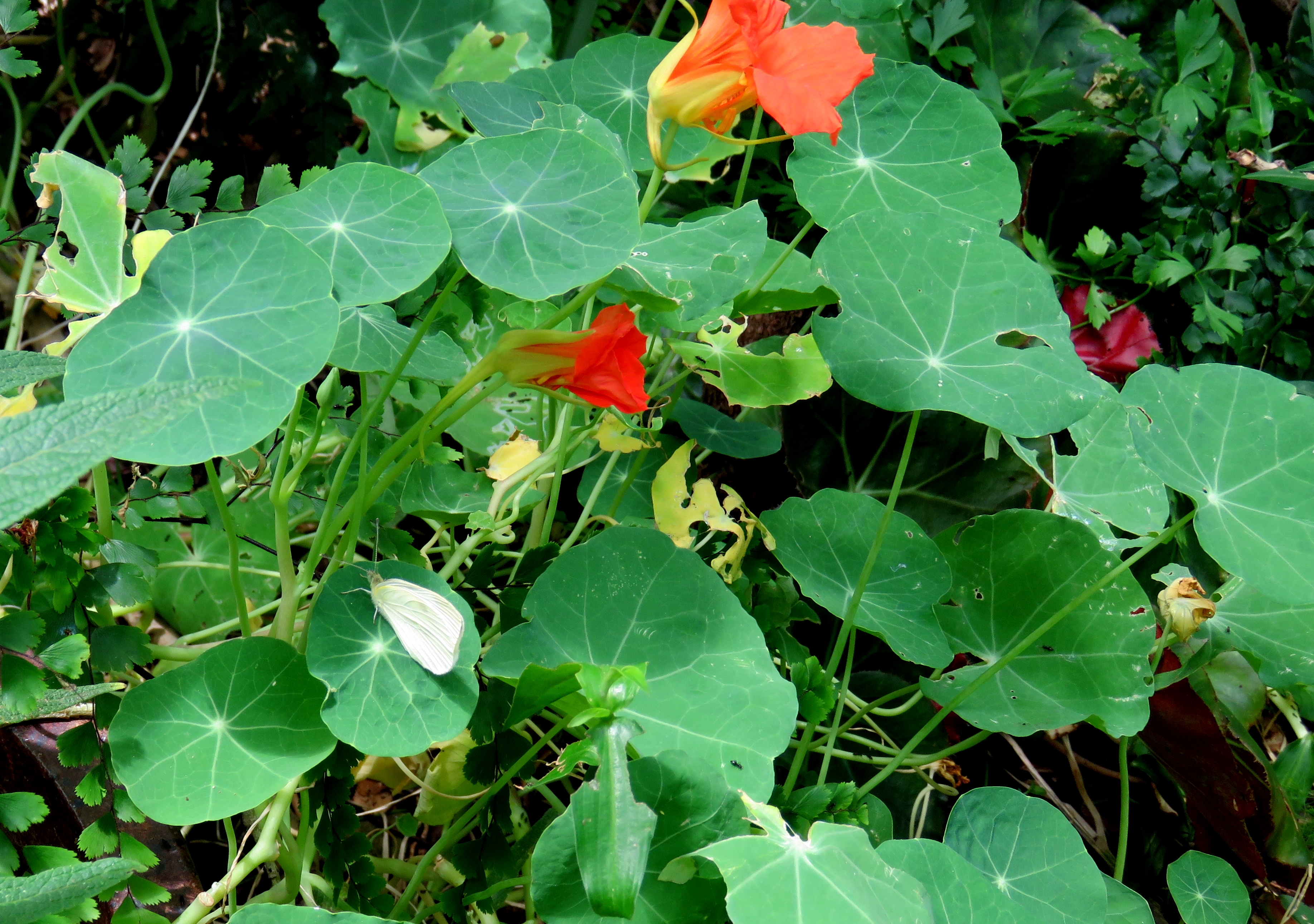
Cabbage White

Cabbage White Pieris rapa

Nasturtium - Tropaeolum majus - 2 Jan 2018 cropped

Nasturtium Tropaeolum majus

As their name suggests Cabbage White butterflies Pieris rapa are perhaps less welcome in our vegi-gardens even if they are food for small birds.

Planting Nasturtiums Tropaeolum majus may be a win-win solution to attract butterflies and protect and add to your vegetable garden.

“Flowers repel aphids and codling moth. Cabbage White Butterfly is attracted to this plant, and will seek it out over cabbages.”  Companion Planting – Sustainable Gardening Australia (SGA

Sweet Basil Ocimum sp cropped

Sweet Basil Ocimum sp.


Sweet Basil Ocimum sp. is another non-native that adds value to a Pollinator Link garden. Native Stingless Bees love the flowers while Basil is a valuable food for people, encourages growth of tomatoes and can be rubbed on skin to act as an insect repellent.


Edge Senna - Senna acclinis - 2 Jan 2018

Edge Senna Senna acclinis

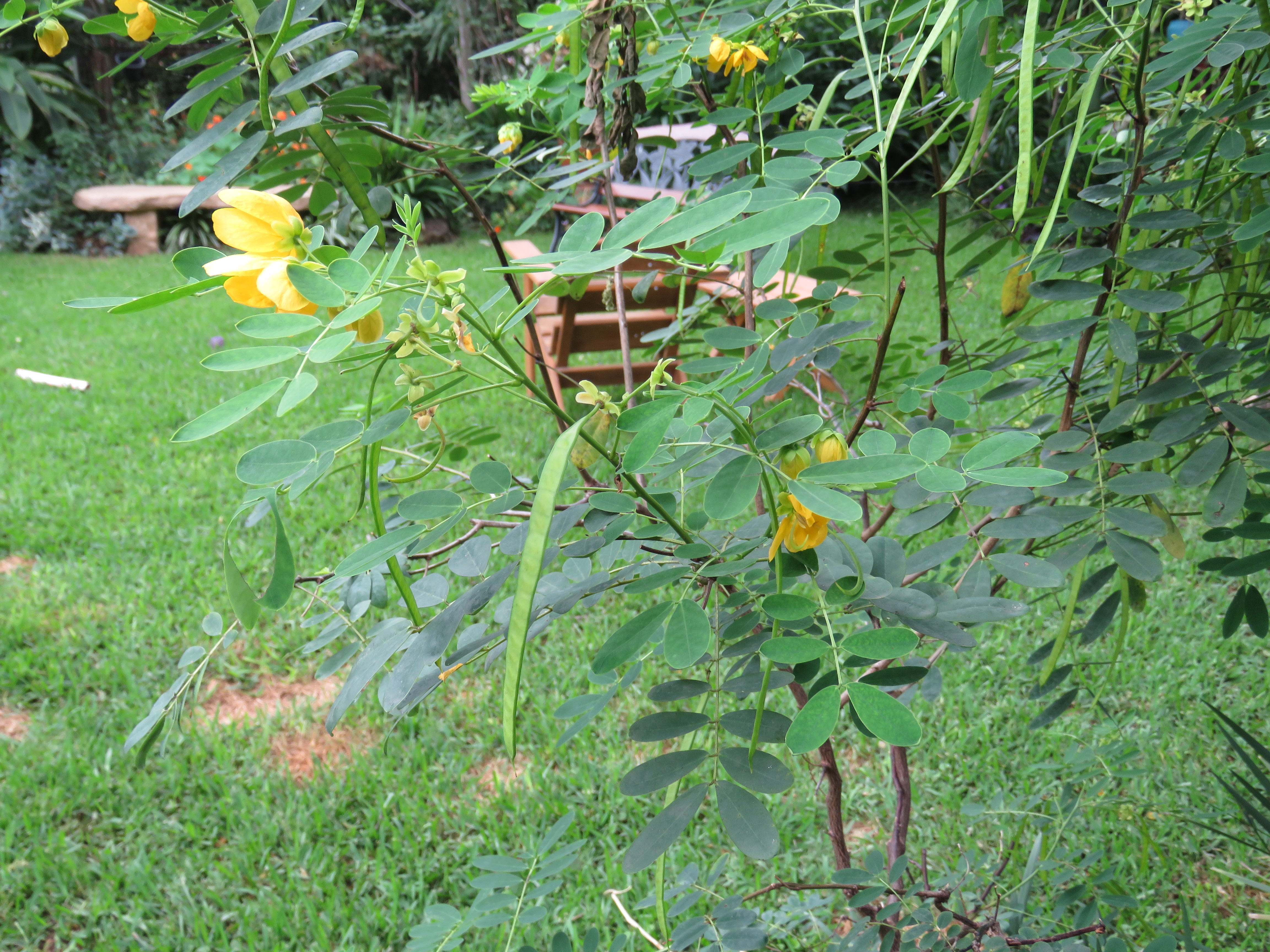
Edge Senna Senna acclinis is another good butterfly plant supporting Small Grass-yellow and Yellow Migrant, as well as, being popular with bees. Edge Senna is also a threatened species as it has lost most of its rainforest edge habitat.

Don’t confuse the environmental weed Easter Cassia Senna pendula


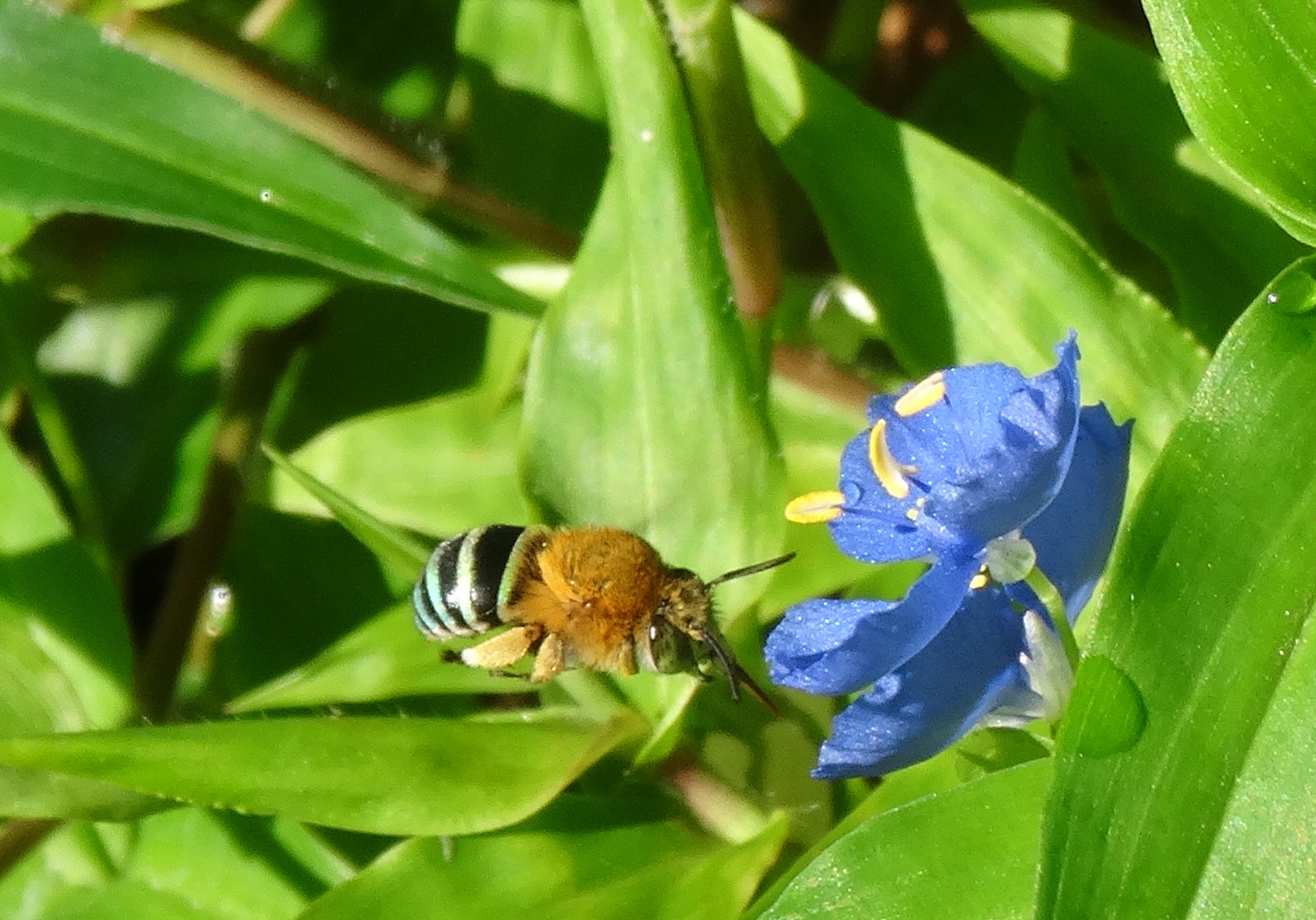
Blue Banded Bees Amegilla cingulata love our blue flowering natives like Marie’s Blueberry Lily Dianella longifolia or Native Wandering Jew Commelina diffusa that this bee is visiting.


Climbing Guinea Flower Hibbertia scandens  is an excellent Verge Garden plant and attracts solitary native bees: Great Carpenter Bee   Xylocopa (Koptortosoma) aruana, Metallic Carpenter Bee – Xylocopa (Lestis) bombylans, Small Metallic-green Bee – Homalictus sp., as well as, Satin-Green Forester Moth Pollanisus viridipulverulenta.


Posted in Pollinator Link, small birds | Tagged , , , , , , , , , , , , , , , , | Leave a comment

Exploring Jen Bartlett’s Pollinator Link garden

By: Michael Fox

Explore Jen Bartlett’s Pollinator Link garden. Jen’s garden in Salisbury is part of the Stable Swamp Creek link creating mosaic in suburban Brisbane.

She-oak male-female

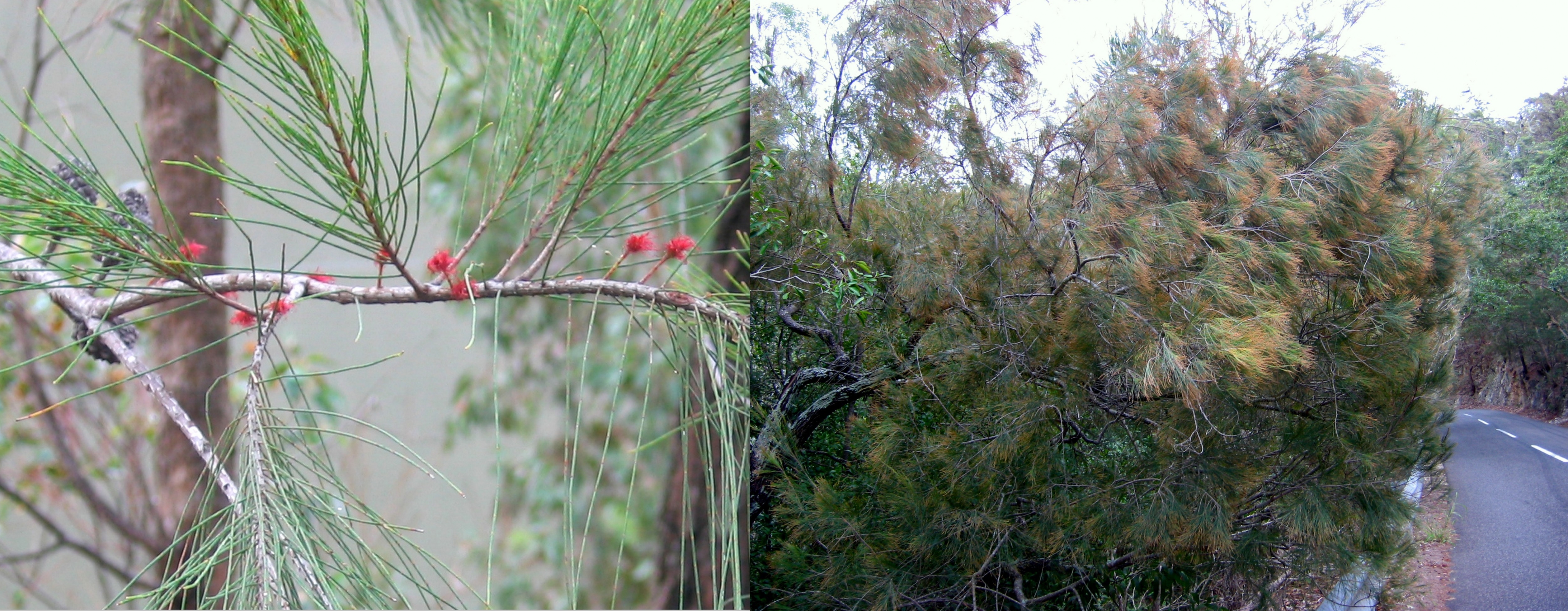
Female                 Black She-oak Allocasuarina littoralis                 Male

Black She-oak Allocasuarina littoralis are planted for gentle sound created when wind blows through the striated leaves. Female She-oaks have red flowers sprouting directly from branches and males have russet flowers on the tips of the leaves.

Native Ginger - Alpinia caerulea - flower - 29 Nov 2013

Native Ginger Alpinia caerulea

Native Ginger Alpinia caerulea creates cool microclimate for humans and frogs while provided nest making material for Leaf Cutter Bees Megachile sp.


Brown Silky Oak (White Oak) Grevillea baileyana an attractive rainforest tree from far North Queensland that is very hardy once established and a common street tree in Brisbane.


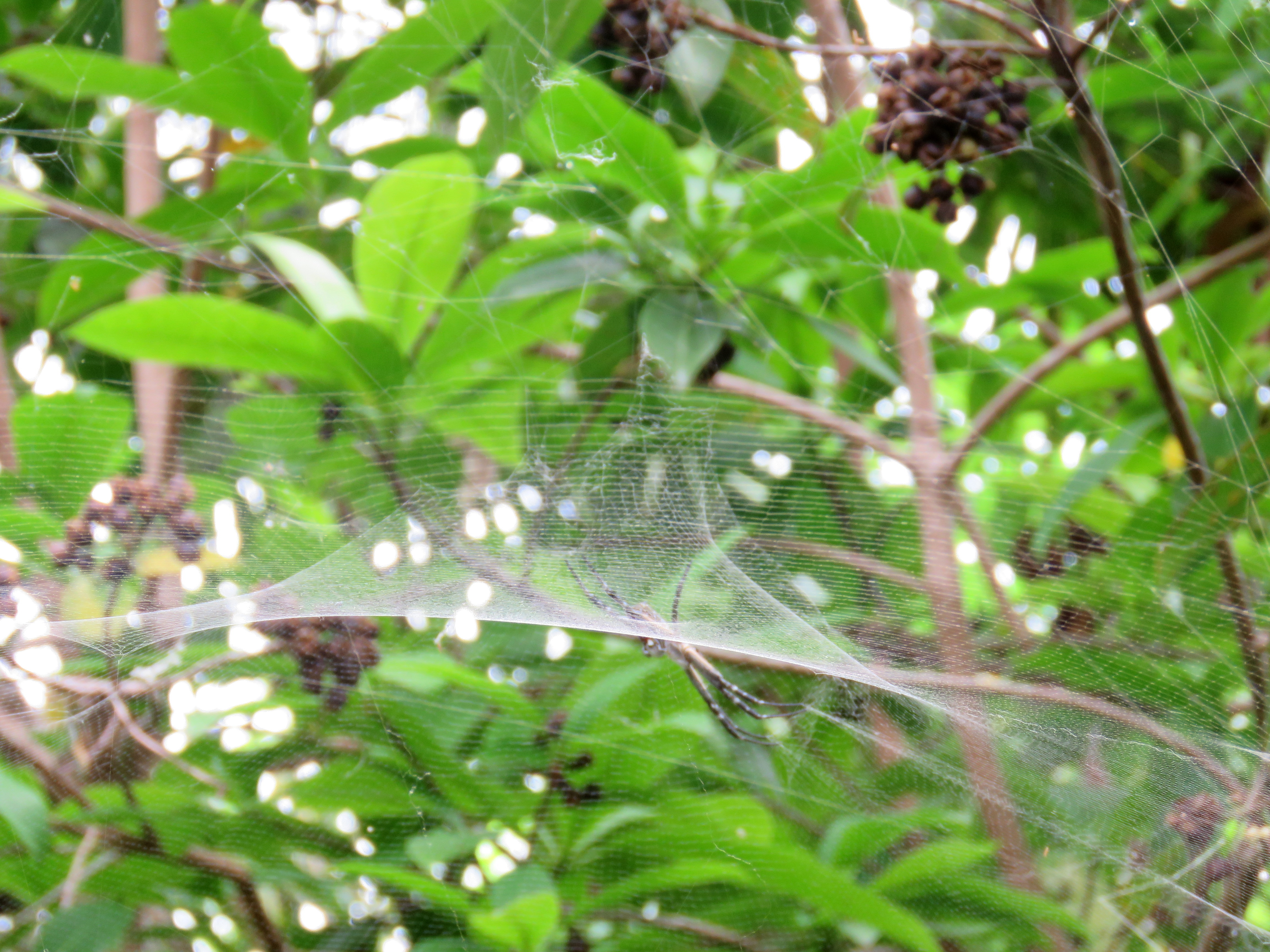
Dome Tent Spider - Cyrtophora moluccensis - 2 Jan 2018

Dome Tent Spider Cyrtophora moluccensis

Dome Tent Spider Cyrtophora moluccensis create amazing webs shaped like a circus big top.


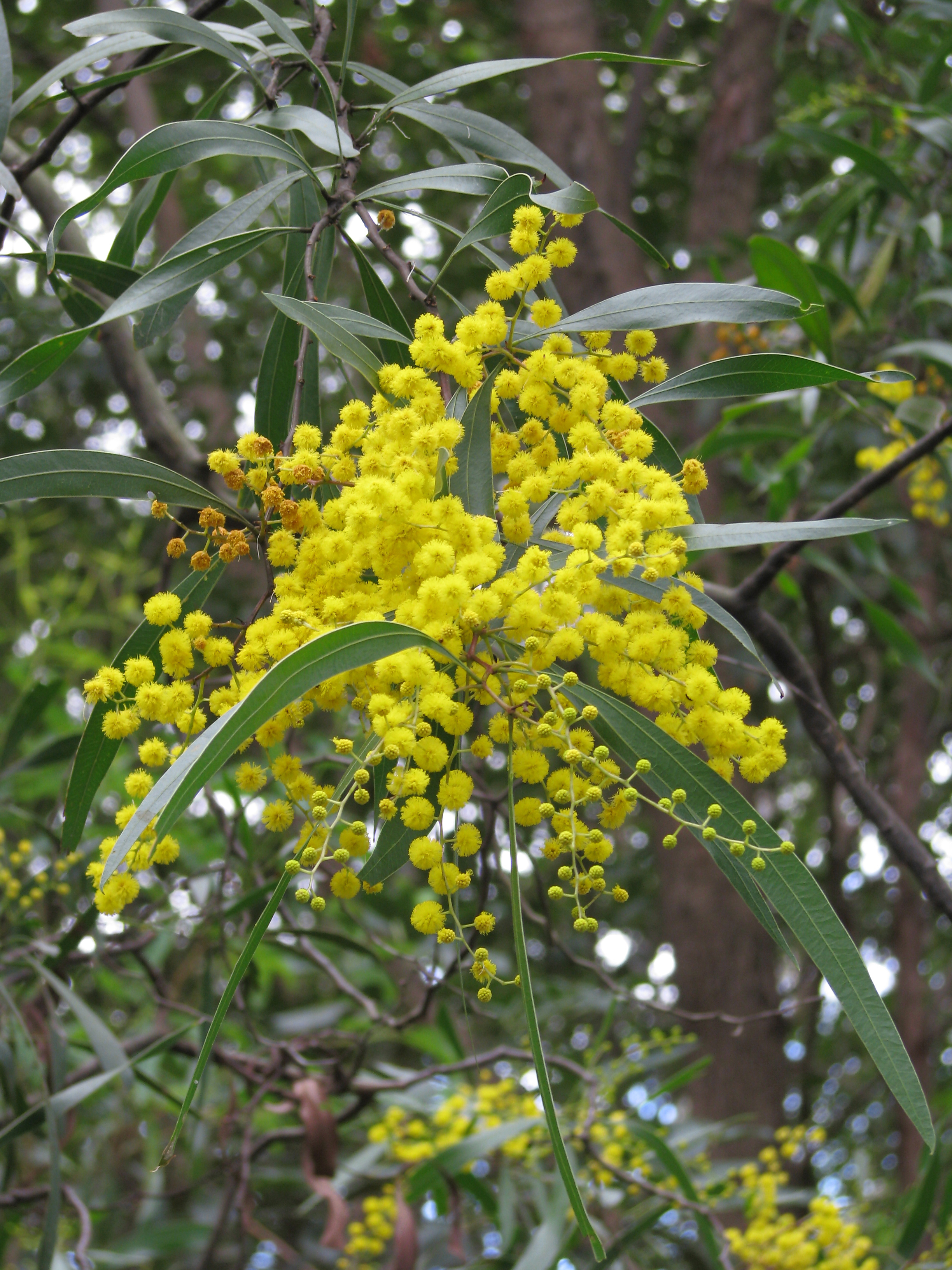
Zig-zag Wattle Acacia macradenia the classic green and gold Australian colours, indigenous to Central Queensland but still caterpillar food for Granny’s Cloak Moth and Wattle Notodontid Moth.


Hardenbergia violacea - flower - Aug 07

Native Sarsaparilla – Hardenbergia violacea

Native Sarsaparilla Hardenbergia violacea a hardy scramblerer as ground cover or growing on a fence. It is also caterpillar food for Common Grass-blue butterflies and attracts Eastern Spinebill birds.


Fan Flower Scaevola - Living Mulch - 2 Jul 2016

Dune Fan Flower Scaevola aemula


Dune Fan Flower Scaevola aemula
are found on coastal sand dunes however they also thrive in our urban gardens creating great ground cover (Living Mulch) in hostile habitat.

Thanks to Jen for her generosity in sharing her Pollinator Link gardening experience.


Posted in Pollinator Link | Tagged , , , , , , , , , , , | 3 Comments

Planning Brisbane’s future – Intergenerational Forum

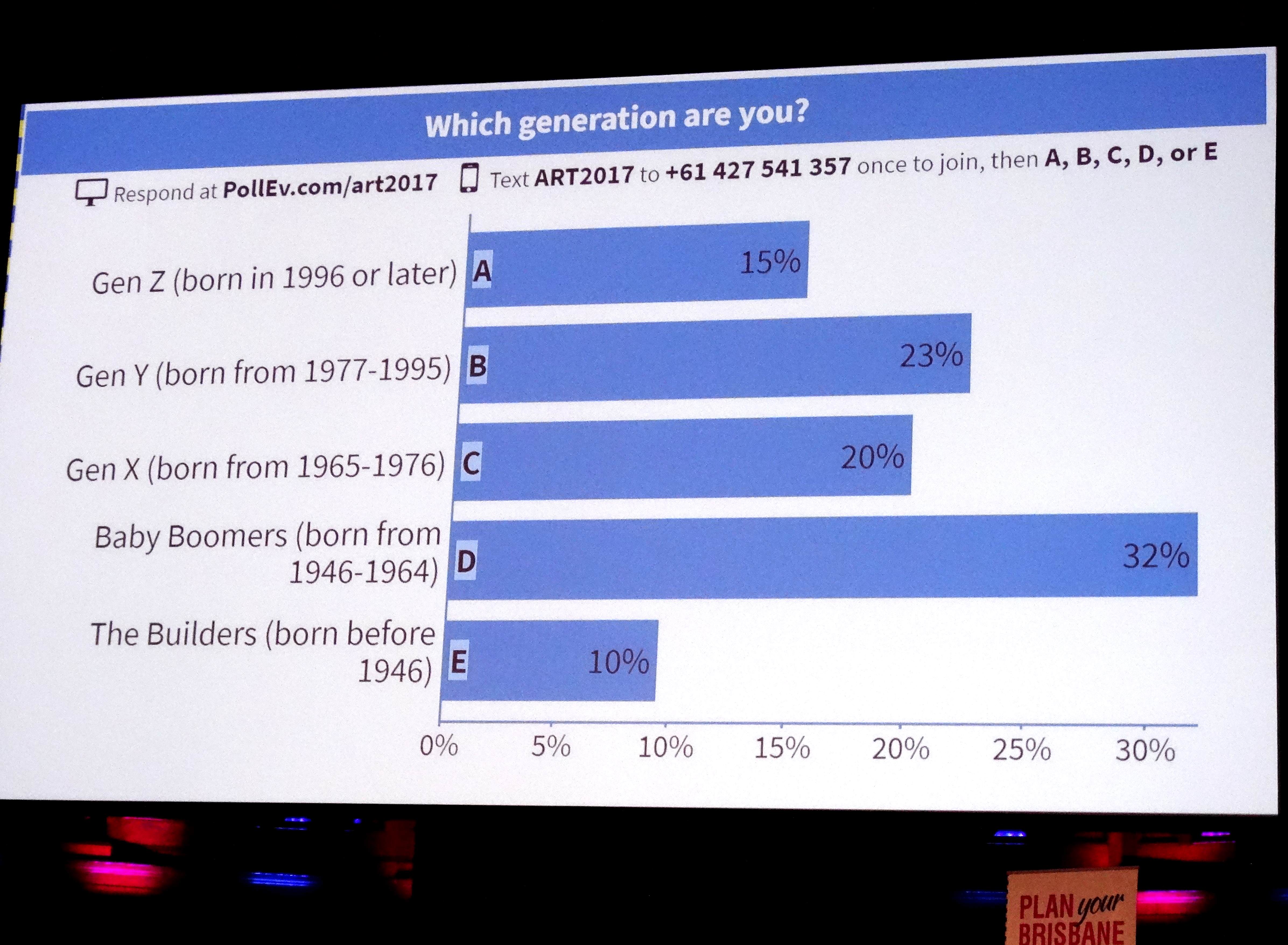
Activity - participant mix - 22 Nov 2017

Demographic mix of participants

By: Michael Fox

I joined approximately one hundred other Brisbane community members of all ages yesterday, to discuss the future of our city. Hosted by Brisbane City Council the Forum is an interesting and genuine effort to understand how our community wants our city to develop for future generations.

Greg Clark composite

Prof Greg Clark – New World Cities

Our discussions were informed by a number of presentations by experts in building truly great cities starting with Prof Greg Clark who joined us from London.


Prof Clark introduced us to Brisbane as a New World City attaining global reach. Now that is a powerful reason to be proud of our place in the world and optimistic for the future.

The rise of smaller, specialised, globally-oriented cities

The current cycle of globalisation has seen the rise of many smaller, more specialised, but highly globally oriented, cities. This group of cities are neither ‘established’ nor ‘emerging’. They are smaller, high-income cities with efficient infrastructure, an attractive quality of life, and fewer social, environmental or economic externalities such as crime, pollution, congestion, high costs or inequality. Unlike ‘Emerging’ or ‘Established World Cities’, they are often not the primary city in their national or regional system of cities. (Globalisation and Competition: The New World of Cities 2015)

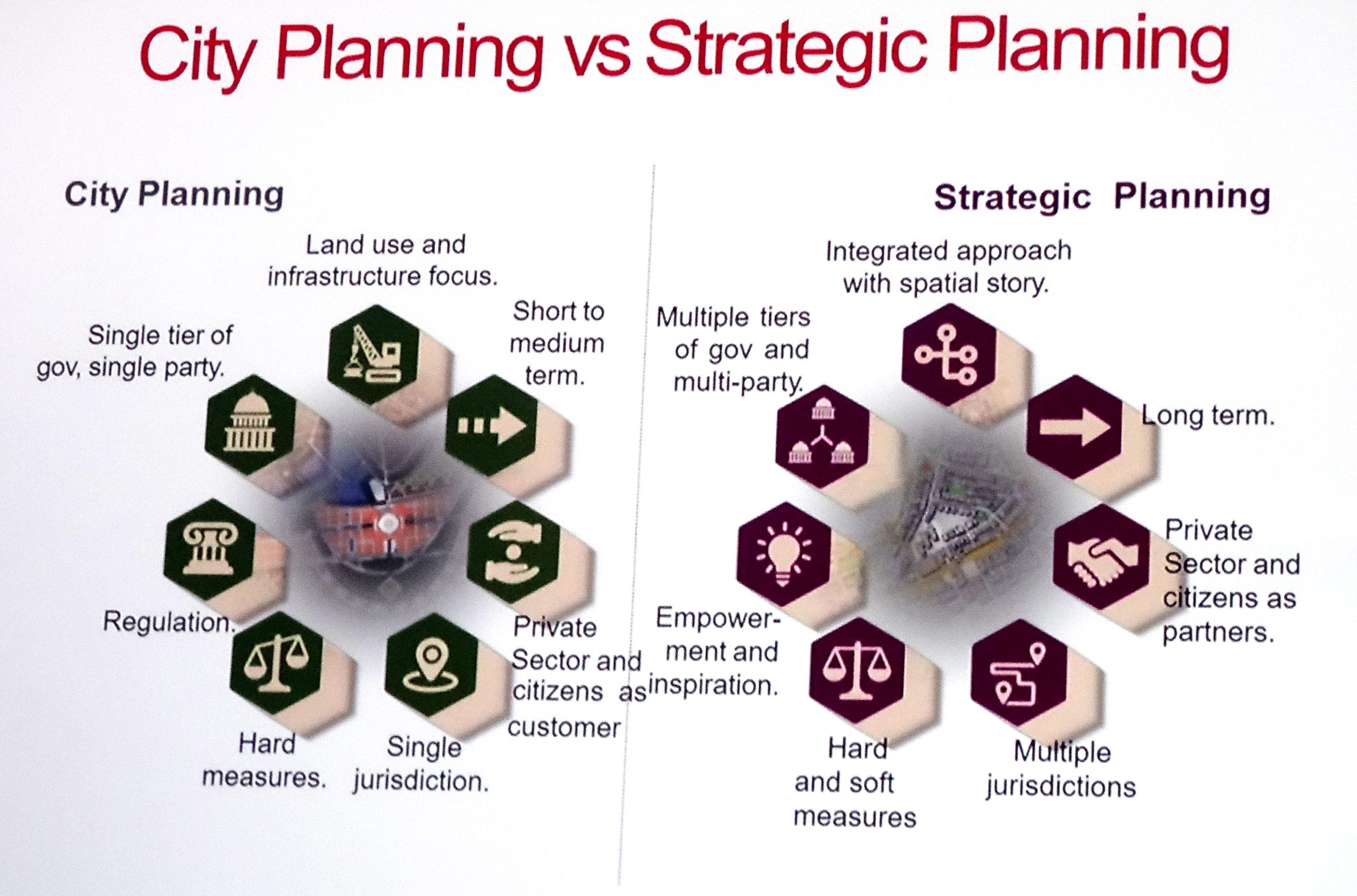
Prof Greg Clark - city vs strategic planning - 22 Nov 2017

The New World Cities model paints a picture of great opportunities for our city. However,  Prof Clark also highlighted the importance of utilising broad based Strategic Planning to develop those opportunities. This highlights the importance of working across multiple jurisdictions like Council working with State Government, not operating in isolated silos. An issue raised by at least on participant at the Forum. Activity - priorities2 - 22 Nov 2017

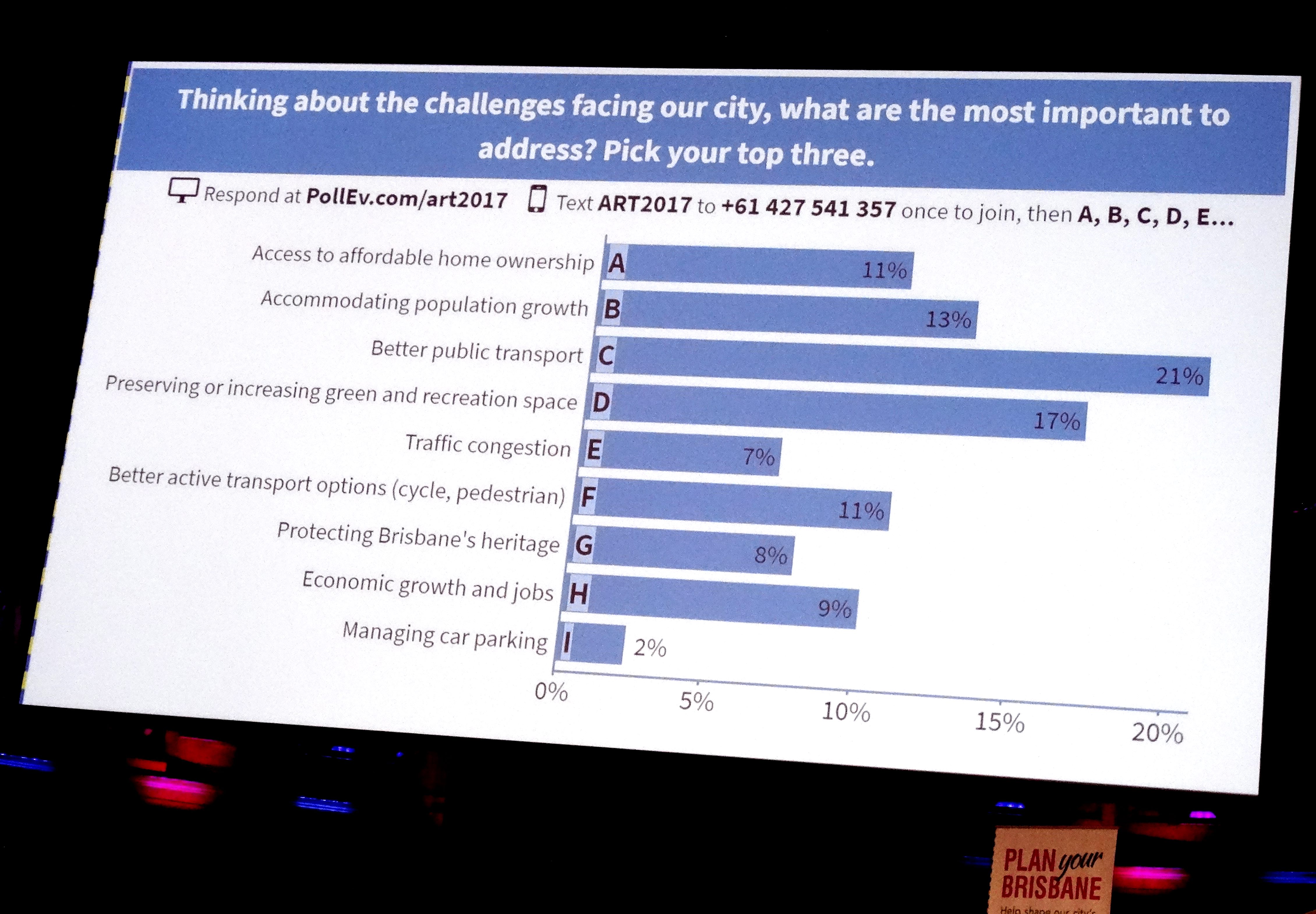
The priorities identified by participants aligned closely with the success factors for New World Cities. for example, attractive quality of life, low pollution, congestion and inequality.

I was pleased to see that protecting and developing greenspace was consistently given high priority by Forum participants.Kath Lofin and Maslow

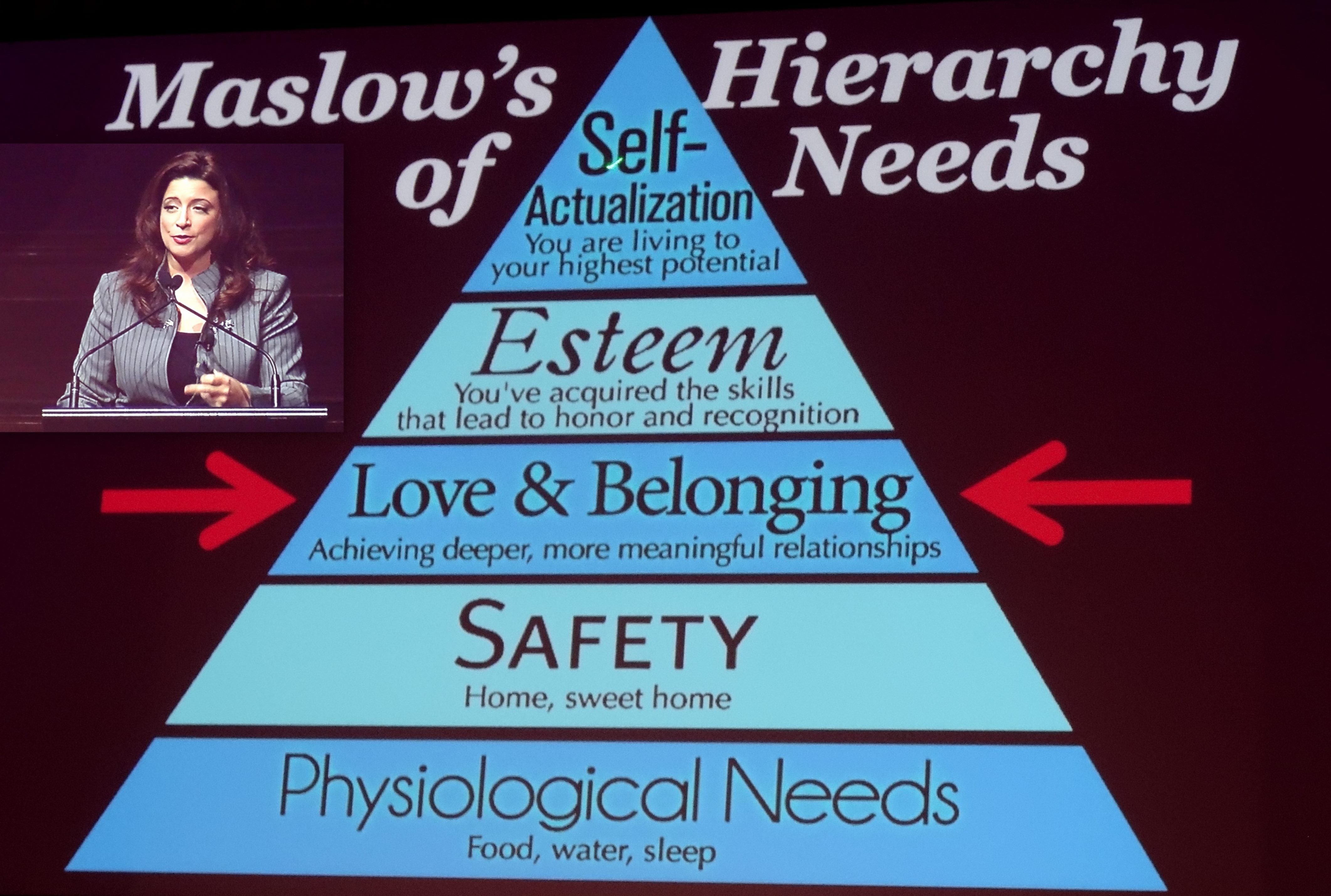
‘City Doctor’ Dr Katherine Loflin, with her social work background, introduced us to the Power of Place. Dr Loflin’s presentation explored the Soul of Community research project:

  • What makes a community a desirable place to live?
  • What draws people to stake their future in it?
Kath Lofin - Power of Place - 22 Nov 2017

Power of Place

For Dr Loflin, a key factor in growing great cities is optimism.

Community Problem-Solving, often complicated by emotional low-trust responses, is an excellent example of how the Power of Place can support an optimistic outlook. If you love the place you live, you will be motivated to actively break through resistance to find solutions. The model suggests that planning with a focus on Place creates a community with stronger economy and quality of life.

James Tuma - summary - 22 Nov 2017 a

James Tuma – values based planning

James Tuma, National Director of Design at Urbis, showed how the concept of Place can be applied to our subtropical River City and how it links to our shared values. His focus on design quality based on shared dialogue highlights the importance of Prof Clark’s broad based Strategic Planning.


Mike - 22 Nov 2017 cropped

A city-wide mosaic wildlife habitat

Let’s do it! Kirsty Kelly, Kirsty Kelly Consulting leads the last activity for the day: challenging our groups to think big and present a project that will shape the future of our city.

I represented our group and challenged our audience: “Create a city-wide mosaic wildlife habitat from bayside to Bardon and beyond. Bring the Australian bush back to our backyards.”

Be part of an extraordinary city changing project to create and register 30,000 Brisbane Pollinator Link gardens providing water, food and shelter for birds, butterflies and bees.


Posted in Pollinator Link | Tagged , , , , , , , , , | 2 Comments

What’s in your garden?

Blue Triangle - Puddling - D Frenkiel - Nov 2017 cropped

Blue Triangle butterfly Puddling   Photo: D. Frenkiel

By: Michael Fox

Blue Triangle Graphium sarpedon butterfly Puddling in neighbour’s sandpit.

Butterflies, like all animals, need water. At breeding time, male Blue Triangle butterflies and other swallowtail butterflies will be looking for mineral laden water.

Murrogun - Robert Whyte SOWN

Murrogun Laurel Cryptocarya microneura


Blue Triangle butterfly caterpillars feed on a range of native tree species including Murrogun Laurel Cryptocarya microneura. Murrogun Laurel is also caterpillar food for Bronze Flat Netrocoryne repanda repanda and Common Red-eye or Eastern Dusk-flat Chaetocneme beata butterflies, as well as, fruit eating birds like native pidgeons.


Posted in Pollinator Link | Tagged , , , , | Leave a comment

CWCN Pollinator Festival

CWCN Display

Pollinator Link display

By: Michael Fox

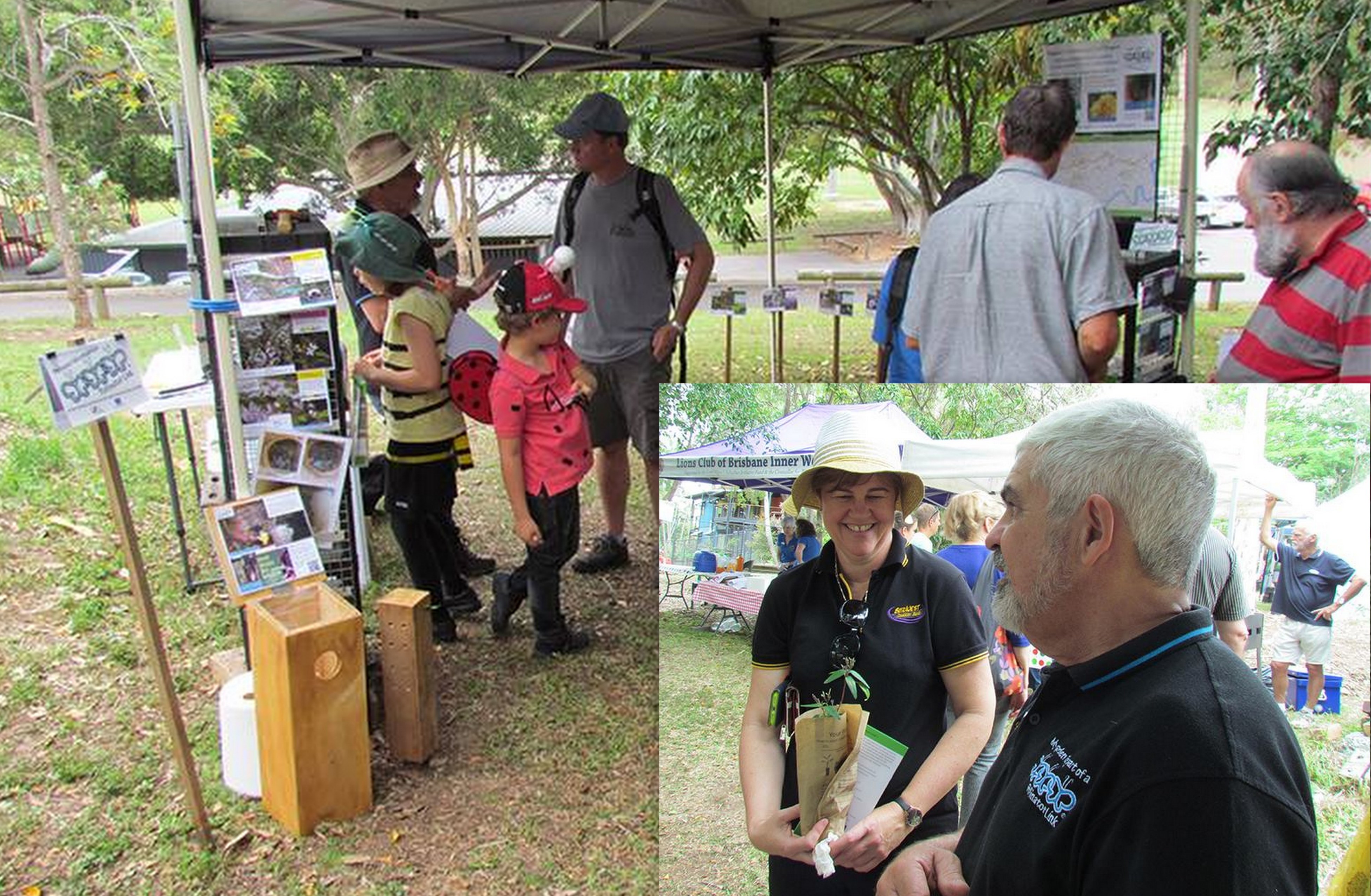
The Pollinator Link® display was very popular at the Cubberla-Witton Catchments Network Pollinator Festival with a regular stream of visitors wanting to learn about gardens for birds, butterflies and bees, and claim a free pollinator plant donated by SOWN.


Bee Home 2

Building Backyard Bee Home

I also answered lots of questions for kids completing their pollinator quiz sheets or challenged them to see what was in the nest box. Parents asked if the glider in the box was alive but the sharp eyed kids just said “That’s a toy!”

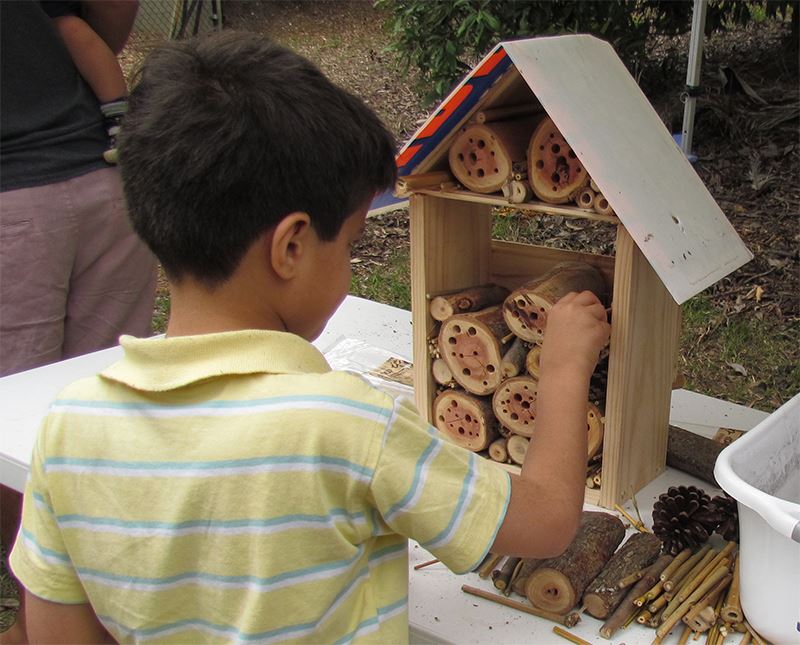
Activities for kids were a big part of the Festival. My favourate was building decorative Backyard Bee Homes.


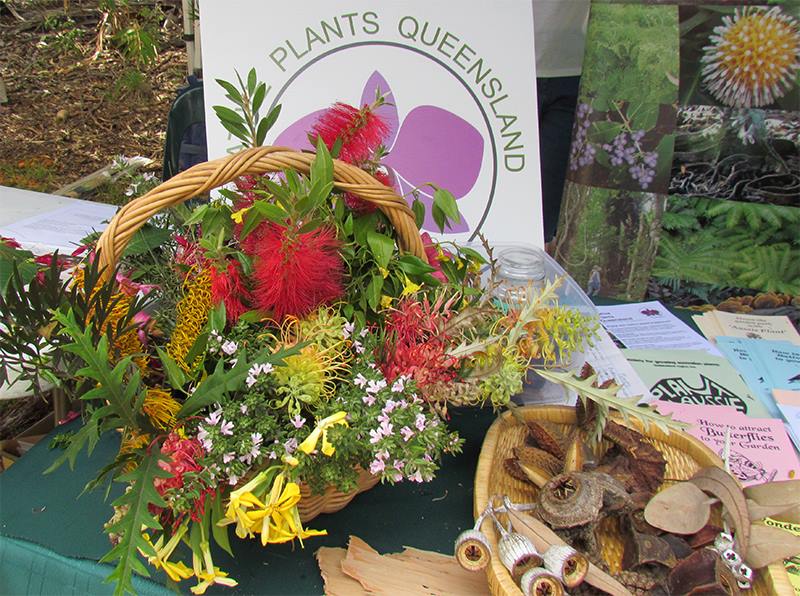
Native Plants Qld

Art with native flowers

“Who says Australian native flowers are boring?”

Certainly not the Native Plants Queensland team who showed the real beauty our local flowers with their display.


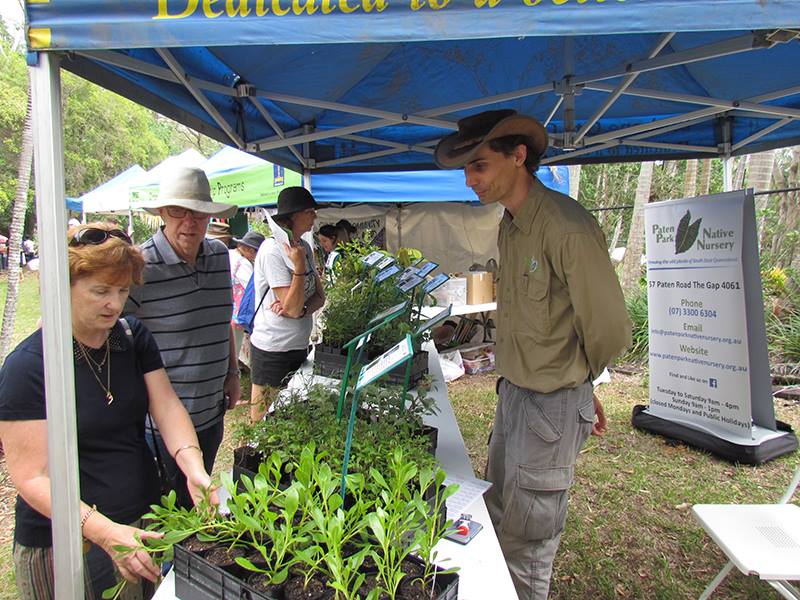
Paten Park

Paten Park Native Nursery


Grow some spectacular native flowers in your garden. Visit the Paten Park Native Nursery at The Gap for advice and low cost plants.


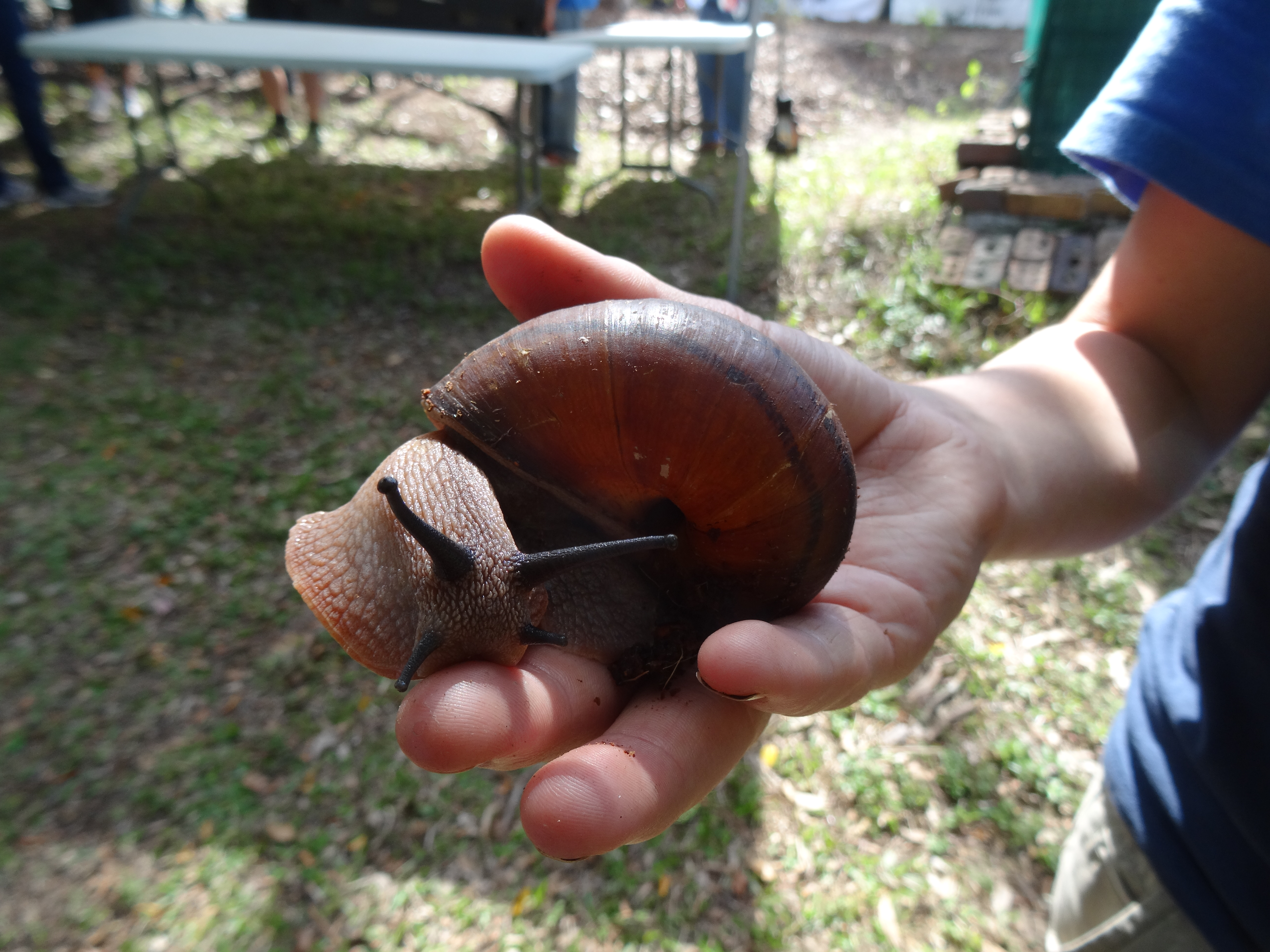
One young visitor proudly showed me his huge pet Giant Panda Snail Hedleyella falconeri.

Giant Panda Snail - Hedleyella falconeri - 8 Oct 2017

Giant Panda Snail Hedleyella falconeri


Posted in Pollinator Link | Tagged , , , , , , , | Leave a comment

Blue Banded Bees visiting?

Blue Banded Bee - Amegilla cingulata - 7 Nov 2017

Blue Banded Bee on Scurvy Weed

By: Michael Fox

Do you have blue flowers in your garden?

Have a look to see if you have Blue Banded Bee Amegilla cingulata visitors.

I videoed this visitor on Scurvy Weed (Native Wandering Jew) Commelina diffusa flowers this morning.


Posted in Photography, Pollinator Link, Wildlife of Mt Gravatt Reserve | Tagged , | Leave a comment

Water for backyard wildlife. Echidnas?

By: Michael Fox

Water, Food and Shelter for wildlife are the key to bringing a bit of Australian bush to our city gardens.

Some suprising wildlife is still surviving in Brisbane suburbs. What wildlife is benefiting from your Pollinator Link garden?

Video: Victorian Natives (YouTube Channel)

Echindnas in Mt Gravatt Conservation Reserve


Posted in Wildlife Corridor | Tagged | 6 Comments

Nature’s pest control services are free

By: Michael Fox

Black and White Ichneumon Wasp - Anacis sp. - 14 Aug 2017

Black and White Ichneumon Wasp (male)

I recently found this striking Black and White Ichneumon Wasp Anacis sp. in Mt Gravatt Conservation Reserve.

Parasitic wasps are one of nature’s valuable pest controllers attacking caterpillars that eat your vegetables.

“Their larvae are either parasitic or hyperparasitic (living parasitically upon a parasite). Most caterpillars and pupas are targeted host. Some species attacked other insects and spiders. The female wasp usually locates the food plants of the host then searches with her antennae for a suitable host. The female usually has the long ovipositor which is used to insert eggs into the host body. Some species the ovipositor is longer than the female’s body. The length of the ovipositor allows the female to inject her eggs into hidden hosts such as leaf-rolling or stem-boring caterpillars.” Brisbane Insects

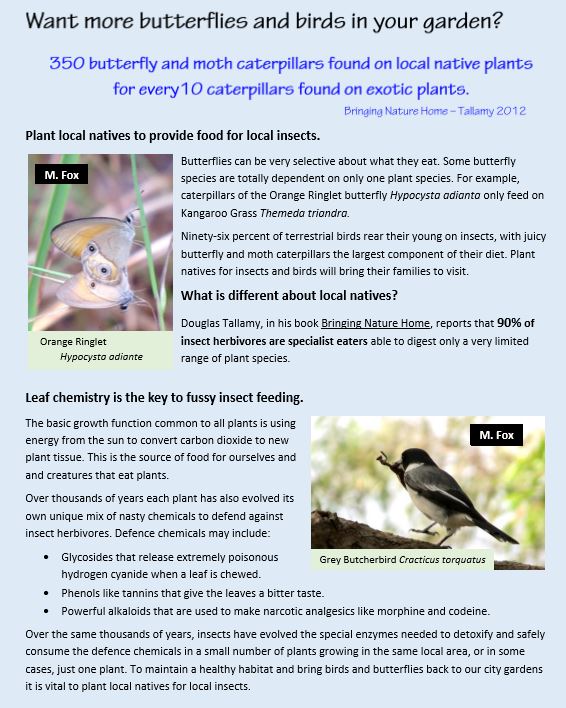
Plant local natives to provide food for local insects.

Plant local nativesIt may be counterintuitive, however, inviting more caterpillars into your garden will help to control your garden pests. And you will also have more butterflies and birds adding colour and song to your garden.

If you can tolerate some chewed leaves you will be providing year-round food to maintain a team of free specialist pest controllers. The Orange Caterpillar Parasite Wasp attacks caterpillars of the Helicoverpa moth species. These caterpillars are a serious pest in your vegetable garden, feeding on tomatoes, beans, lettuce and zucchini, and your geraniums.

Many of the small birds we love, like the Variegated Fairy Wren Malurus lamberti, love caterpillars for lunch, especially when feeding their chicks.


Posted in Uncategorized | Tagged , , | Leave a comment

Birds visiting your garden?

Try drawing or painting your visitors with tips from valwebb

valwebb's avatarvalwebb.com

While doing a little laptop housekeeping this morning, I found a link to a forgotten video. It’s a taped segment from a two-day live workshop, Essential Birds and Flowers in Watercolor, hosted a couple of years back at the Mobile Museum of Art. The video quality is rough in spots — it was mostly recorded as a form of digital note-taking. But there’s a good demo on painting a heron using watercolor brushstrokes. I thought you might like it:

View original post

Posted in Uncategorized | Leave a comment