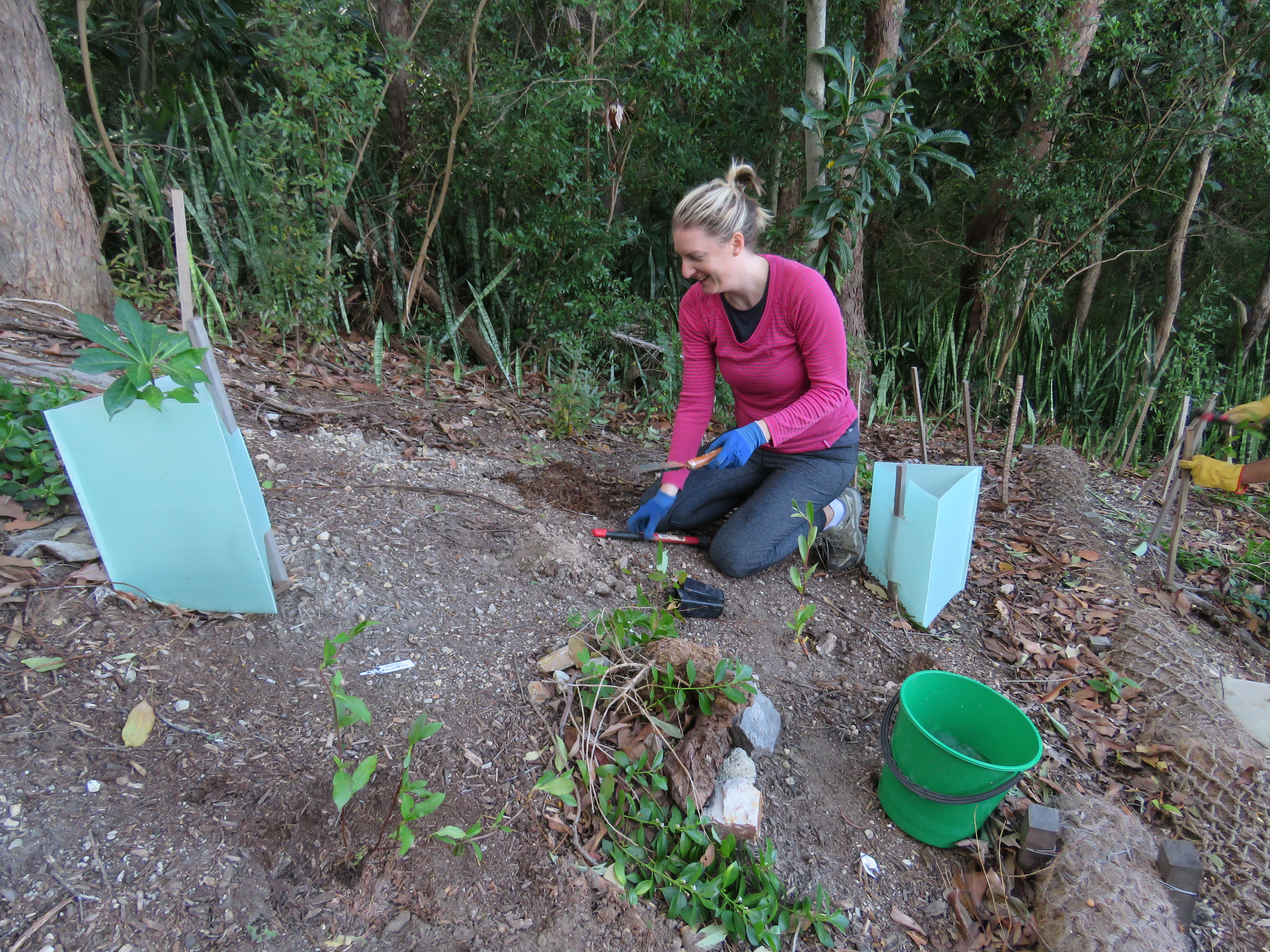
The Bushcare team also did infill planting to complement past planting.
Mulching new planting
Mulch was spread around new plants to retain water and keep the soil cool.
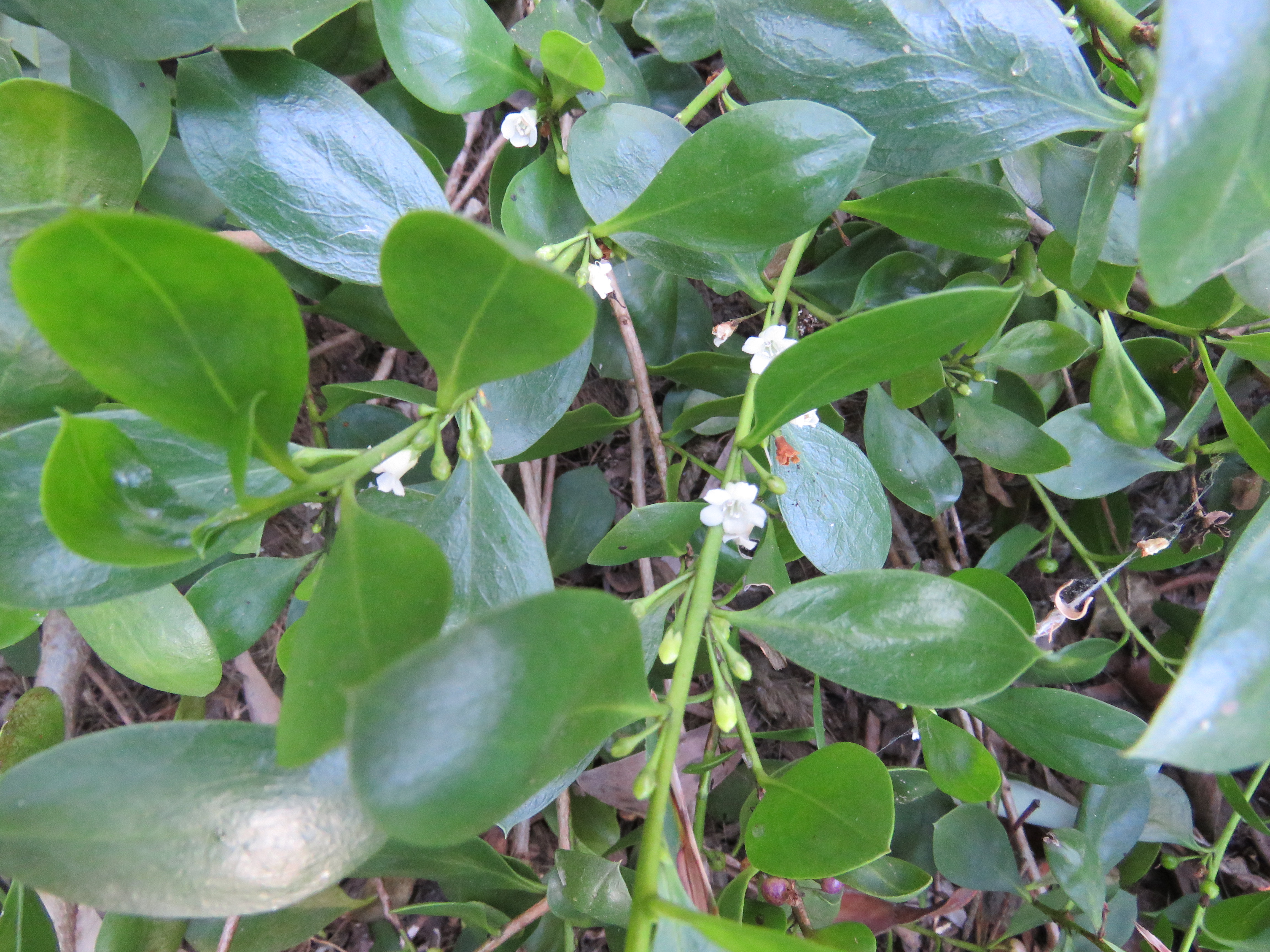
Creeping Boobialla
Effectiveness of the Crosby Road Bushcare team’s planting protocol can be seen in rapid spread of Creeping Boobialla Myoporum parvifolium which has covered large areas beside the steps, flowers winter, spring and summer, and is already producing food for fruit eating birds.
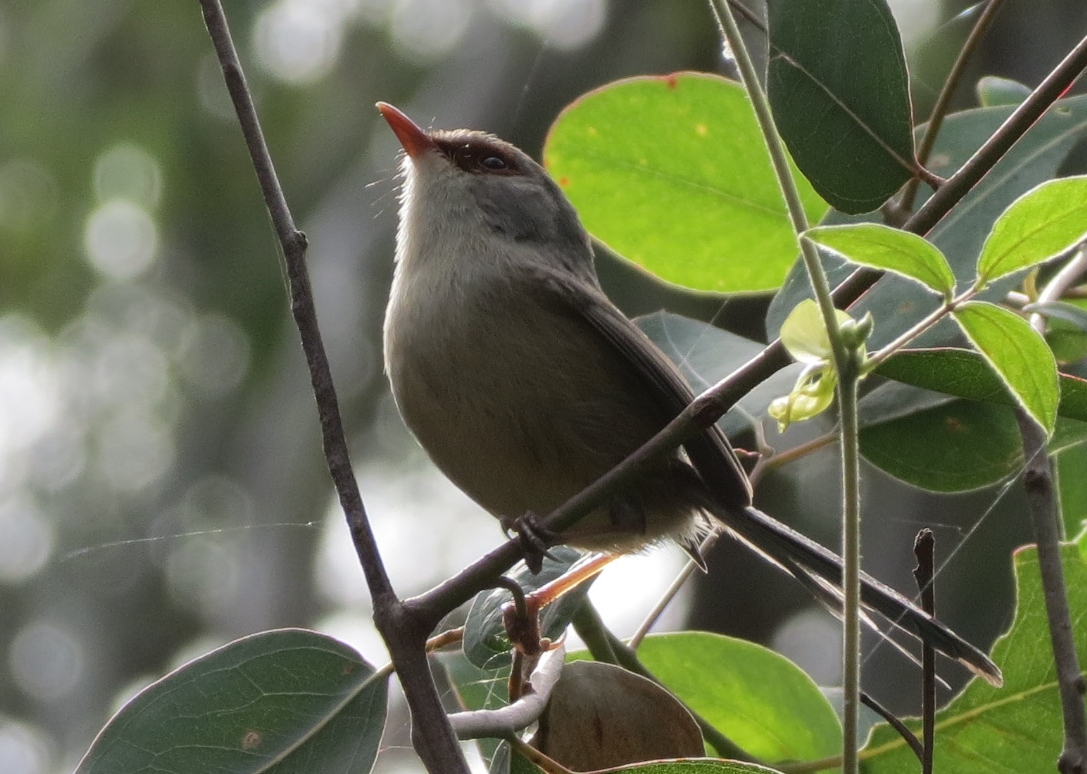
If we want to bring beautiful birds like the Variegated Fairy-wren Malurus lamberti back to our urban gardens we need to provide their preferred Food: insects. As well as Water and Shelter.
The article is Canadian, however, the relationships between insects and our local birds is still relevant:
“We have only half the birds now that we had in the 1960s,” says migratory bird researcher Bridget Stutchbury during the preamble of “Songbird SOS,” a CBC Nature of Things episode that first aired in March 2015. While the investigations into the loss of bird species span everything from habitat loss to light pollution, pet cats and collisions with buildings, severe, long-term declines in insectivorous birds stand out as a possible proxy for a decline in their insect food sources. Such a broad-based factor is suggested in the nose-diving populations of 22 of 26 aerial insectivores that breed in Canada — including swifts, flycatchers, nightjars, swallows and whip-poor-wills.
The best way to preserve insect diversity and abundance is the same as it is for all animals — maintaining habitat and habitat diversity. It’s a subject on which Simon Fraser’s Elle has much to say. “If our farming practices aim to preserve diversity, then it will wind up being good for the farmer. For instance, preserving a hedgerow creates habitat for bees to nest in, and is also habitat for birds and small mammals. Preserving species on this planet can’t just be a thing we do out in the wildest spaces — it also has to happen in human landscapes,” she notes.
Those landscapes include cities, whose less-complex insect faunas reflect an environment of mostly invasive plant species and the monocultures common to landscaping. “In urban areas, the diversity of birds and insects in native trees versus non-native trees is higher. If we’re all living in cities, then we need to make them better,” says Sandy Smith, a forestry professor at the University of Toronto. “Currently we’re reducing things to something that either looks good or is easy to manage. It’s this kind of homogenization that worries me most because you’re creating a vulnerable world.”
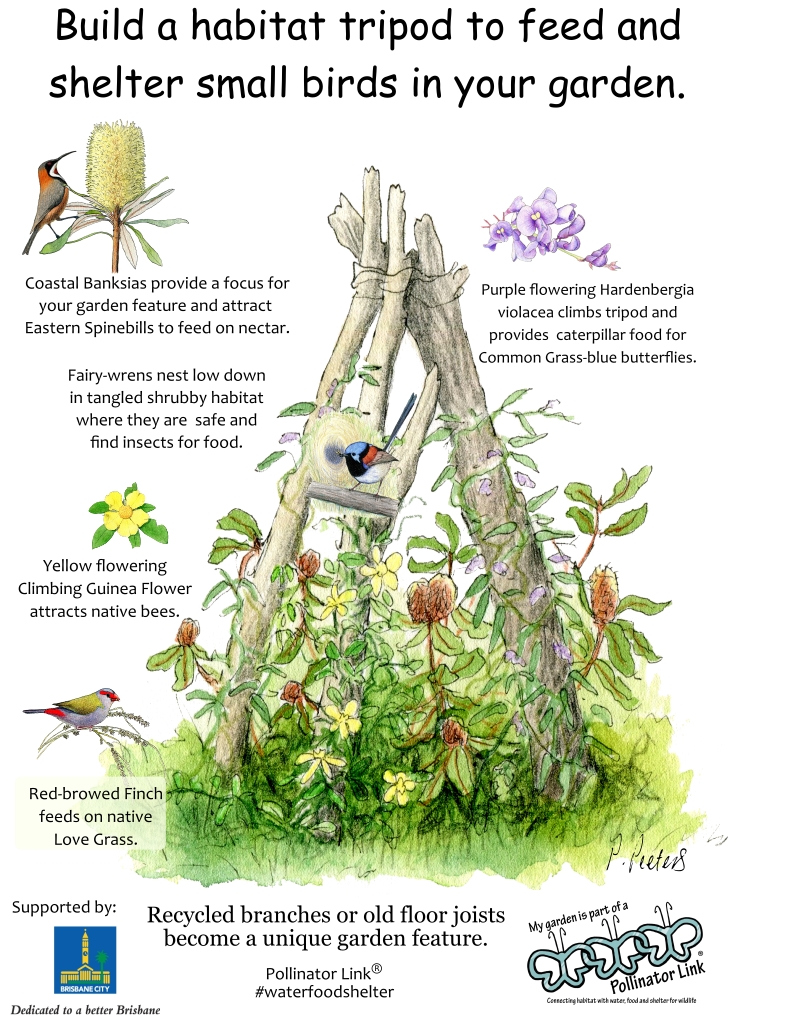
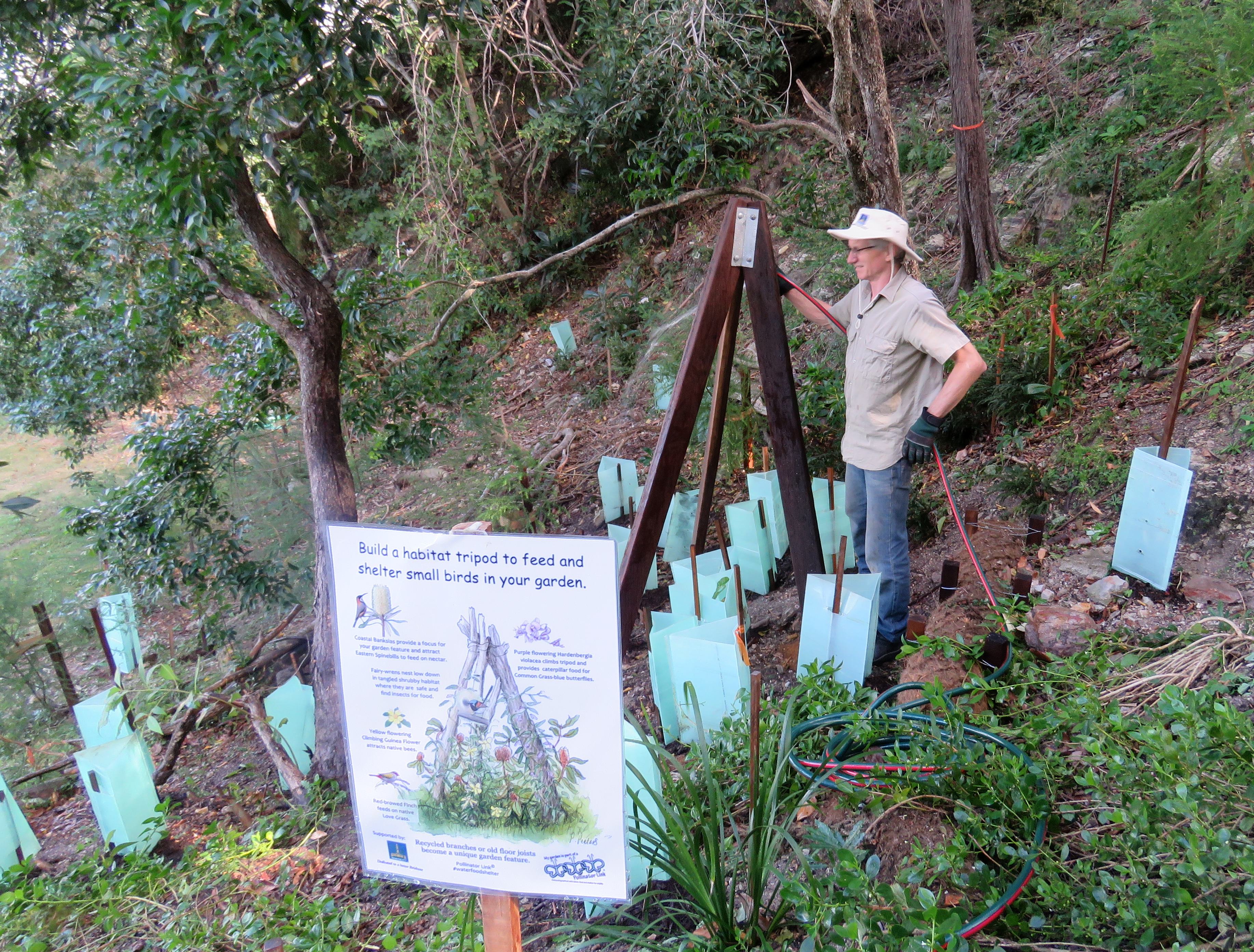
You can create habitat for both small bird and insects in your Pollinator Link® based on what we are learning with our small forest bird planting in Mt Gravatt Conservation Reserve.
Providing Water, Food and Shelter is the secret to bringing your garden alive with colour and birdsong. The quiet hum of bees in your veggie patch. You leave the city behind as you come home and relax with the peaceful sounds of nature.
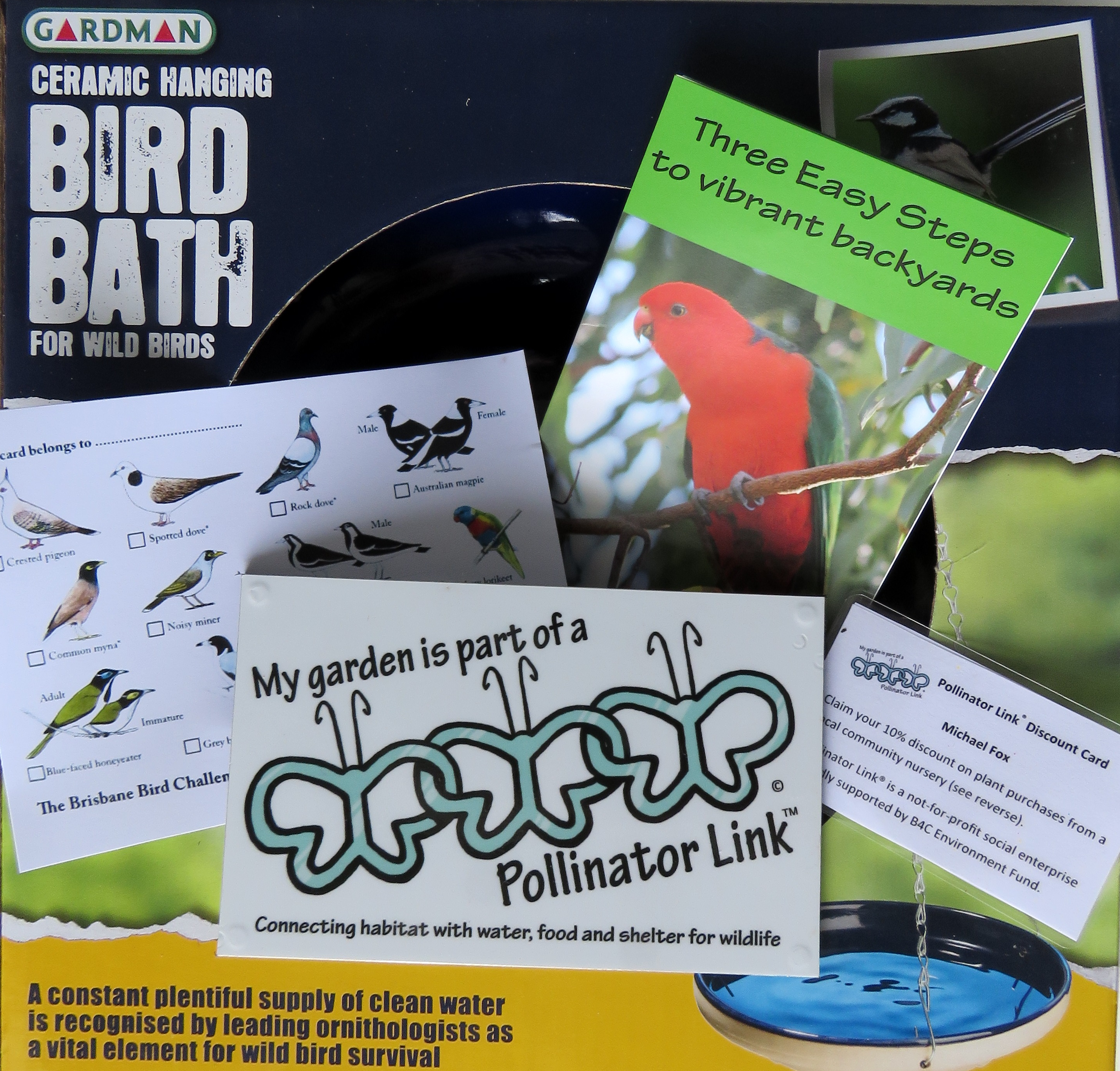
Start your Mum’s journey to creation of a thriving Pollinator Link® garden with an attractive, easy to clean, cat safe birdbath.
Pollinator Link® is a non-profit initiative of Mt Gravatt Environment Group. All funds raised are used to support the initiative to create a mosaic wildlife habitat across all south-east Queensland urban space.
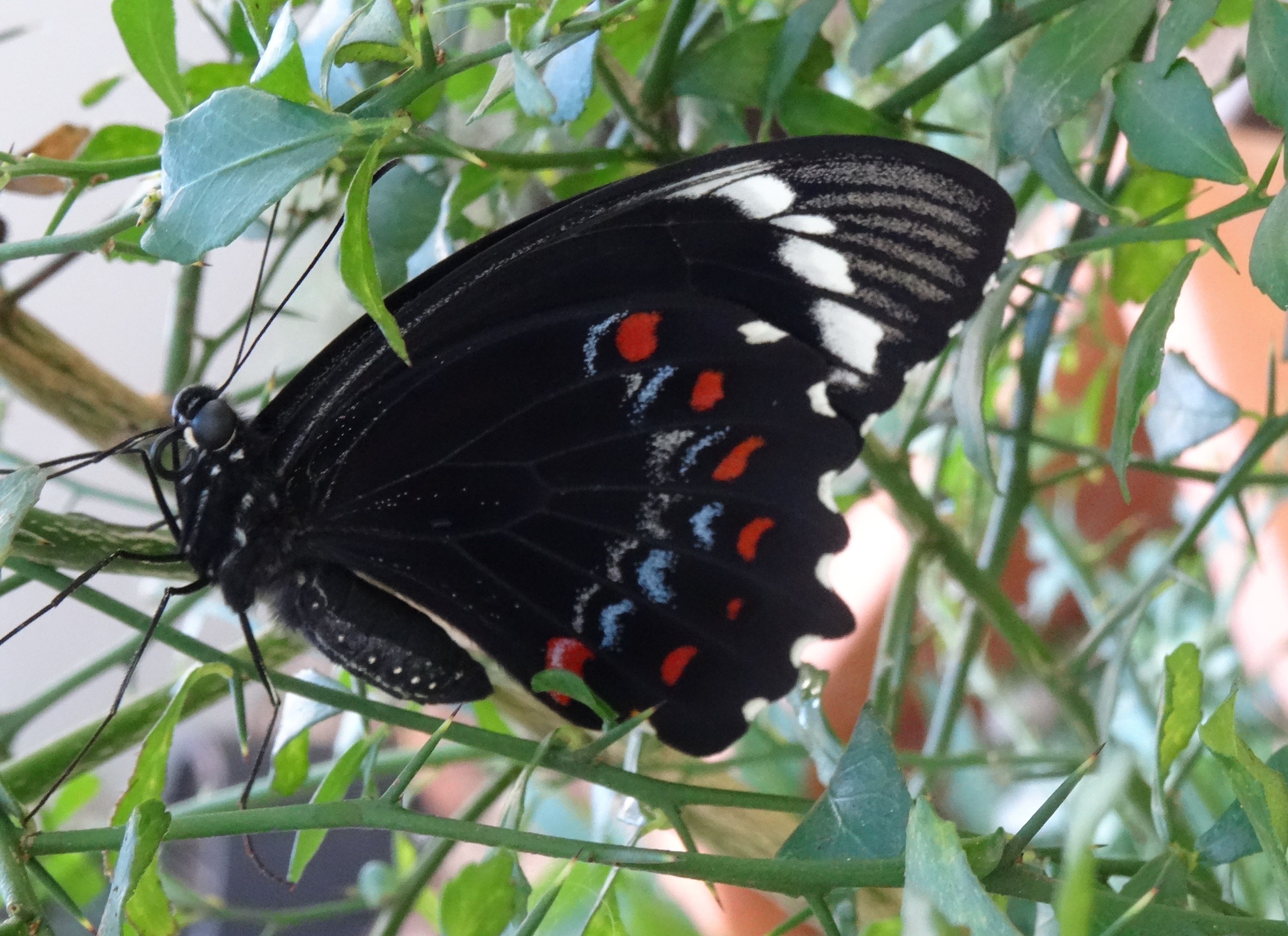
Every Pollinator Link® garden, whether a large backyard or a balcony garden in a unit block, contributes to bringing birds, butterflies and bees back to our urban habitat.
I particularly like ANBG because it recreates habitats ranging from rainforest gullies to central Australian desert, to present a wide variety of Australian plant species.
Australian Bluebell Wahlenbergia stricta
Golden Everlastings Xerochrysum viscosumoccur naturally in Queensland, New South Wales, Victoria, Australian National Territory and Tasmania enjoying full sun and attracting native bees and feeding caterpillars of Australian Painted Lady butterflies. These spectacular plants are a great way to create a splash of colour in your Pollinator Link garden and your home as the flower heads can be easily cut, dried and preserved whist retaining colour for floral display.
Australian Bluebells Wahlenbergia stricta make a great show lining a “rocky creek” near the Visitor Centre. Australian Bluebells are widespread in most states and may often be seen flowering alongside highways in all habitats.
Austral Storks Bill Pelargonium australe
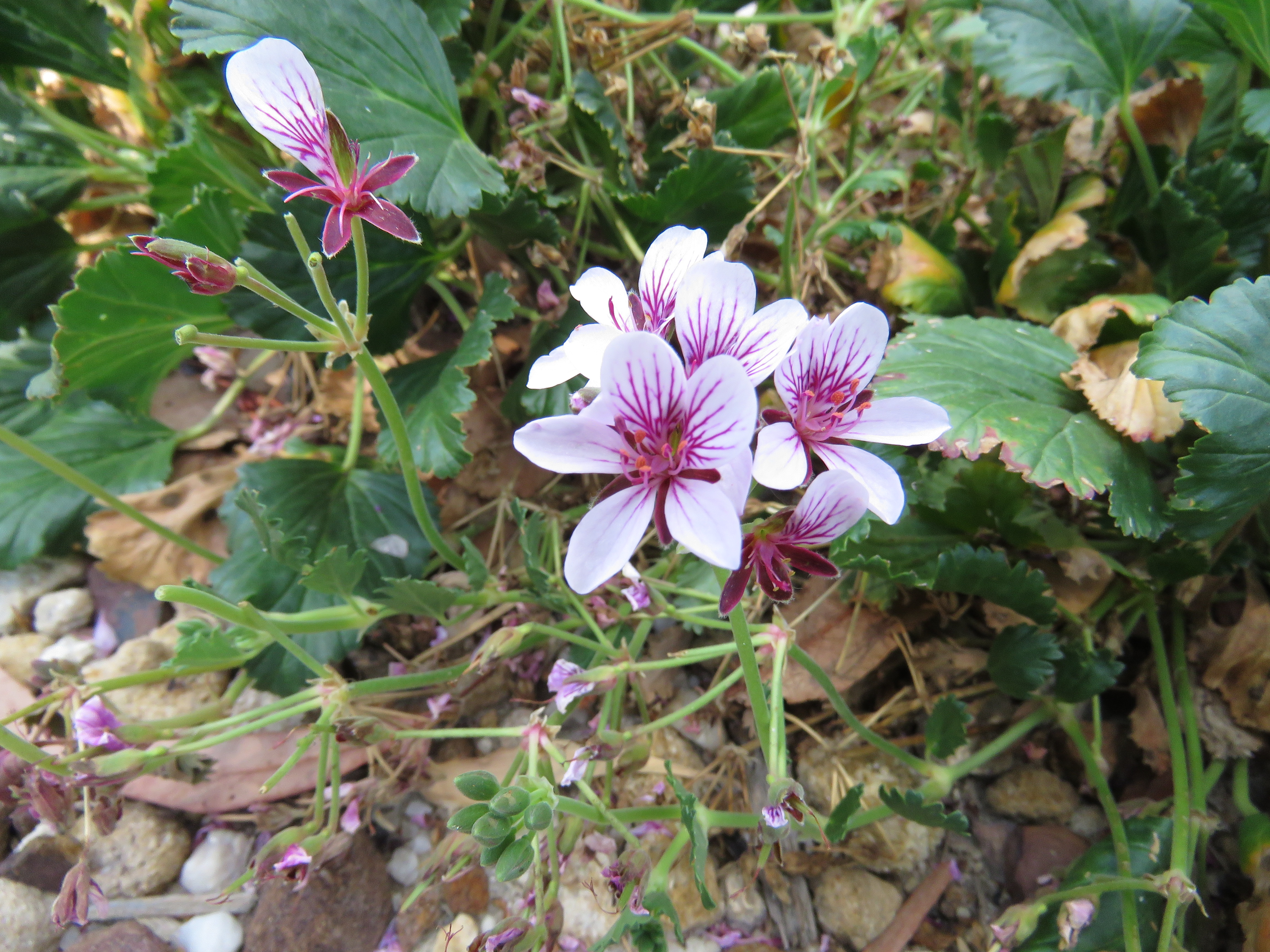
A special discovery on this visit was Austral Storks Bill Pelargonium australein flower. This beautiful hardy native geranium is widespread being found in semi arid, alpine areas and along the coast. Easy to propagate it grows well in containers with full sun or light shade so a good choice for Pollinator Link balcony gardens in unit blocks.
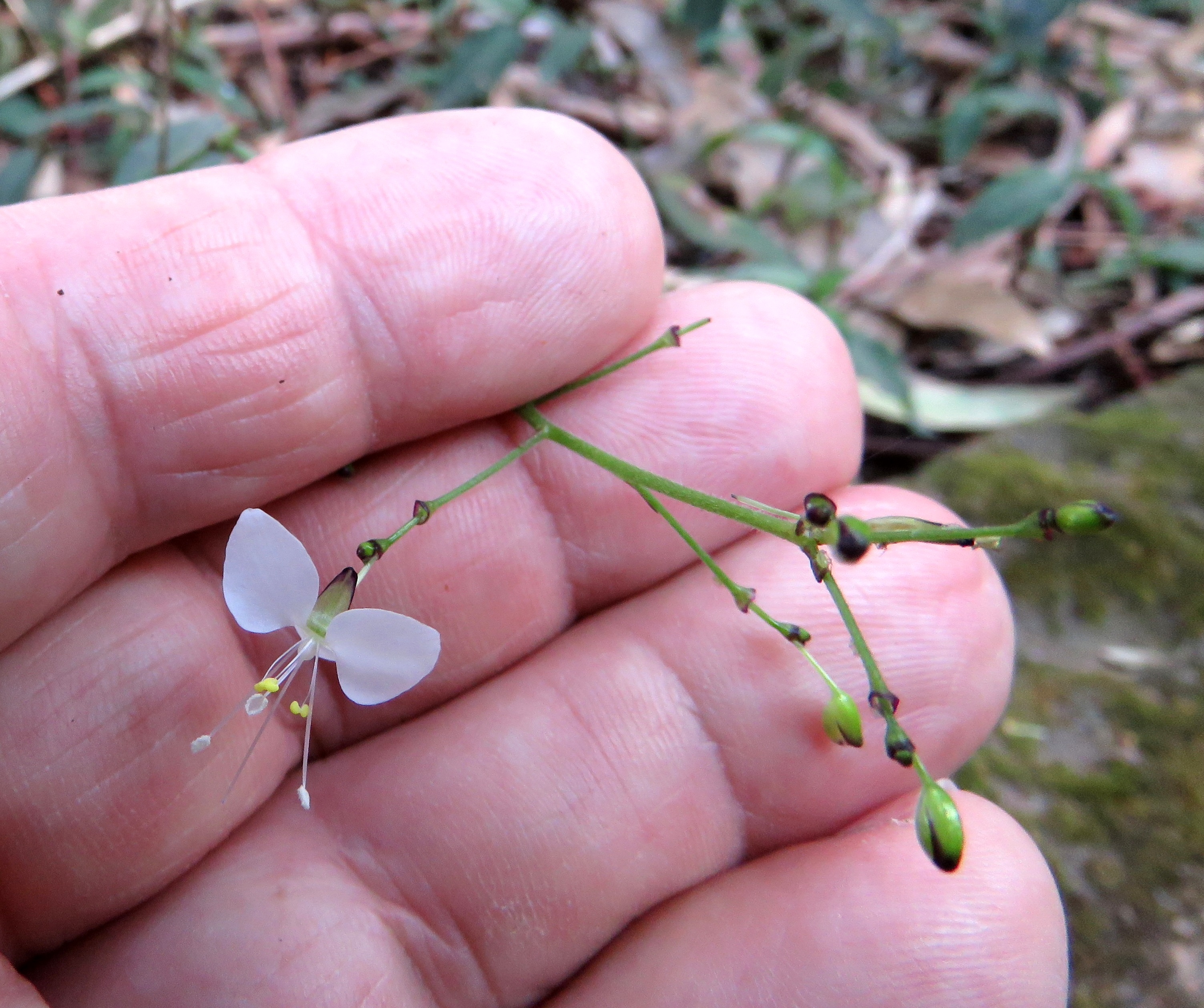
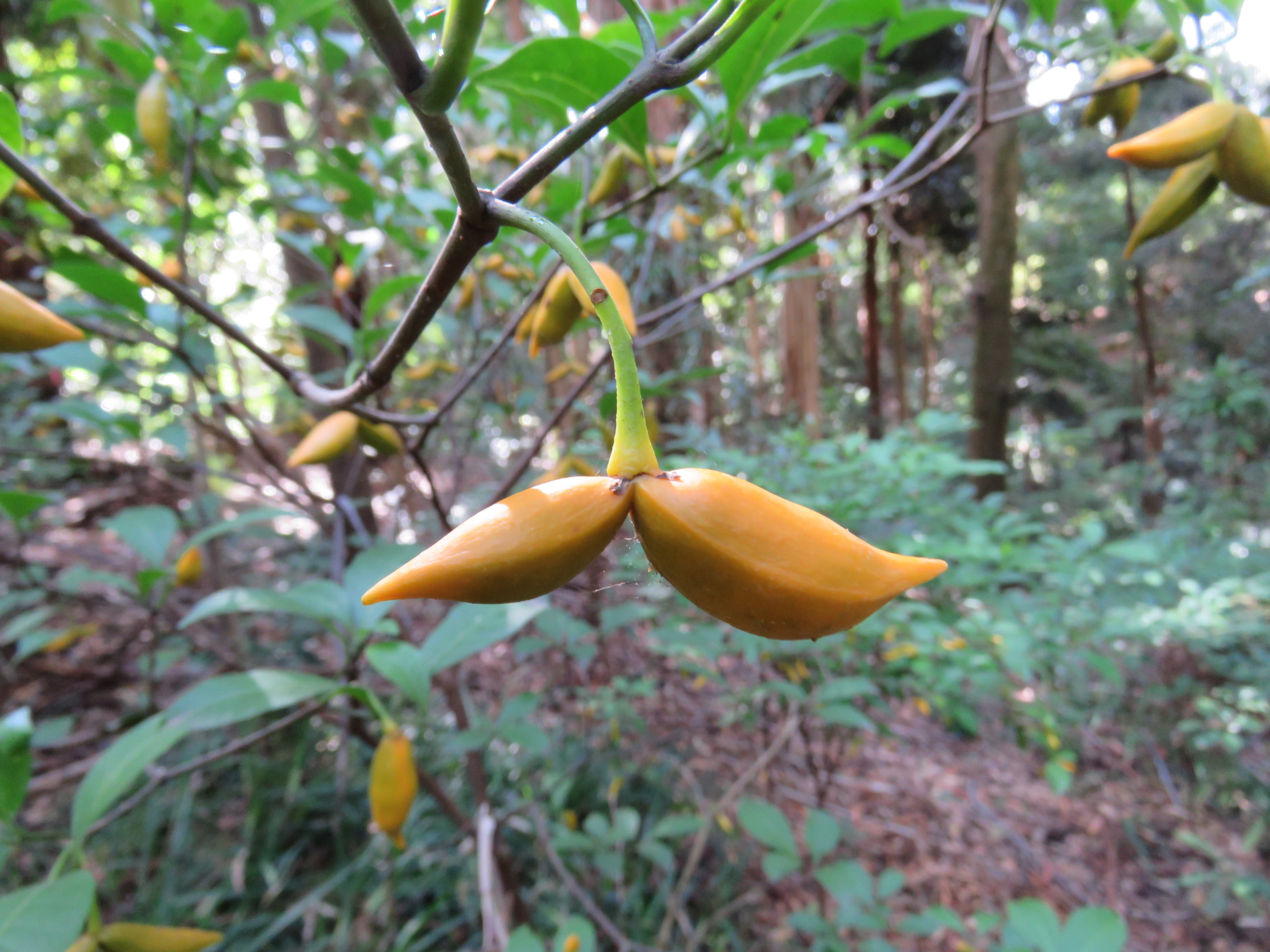
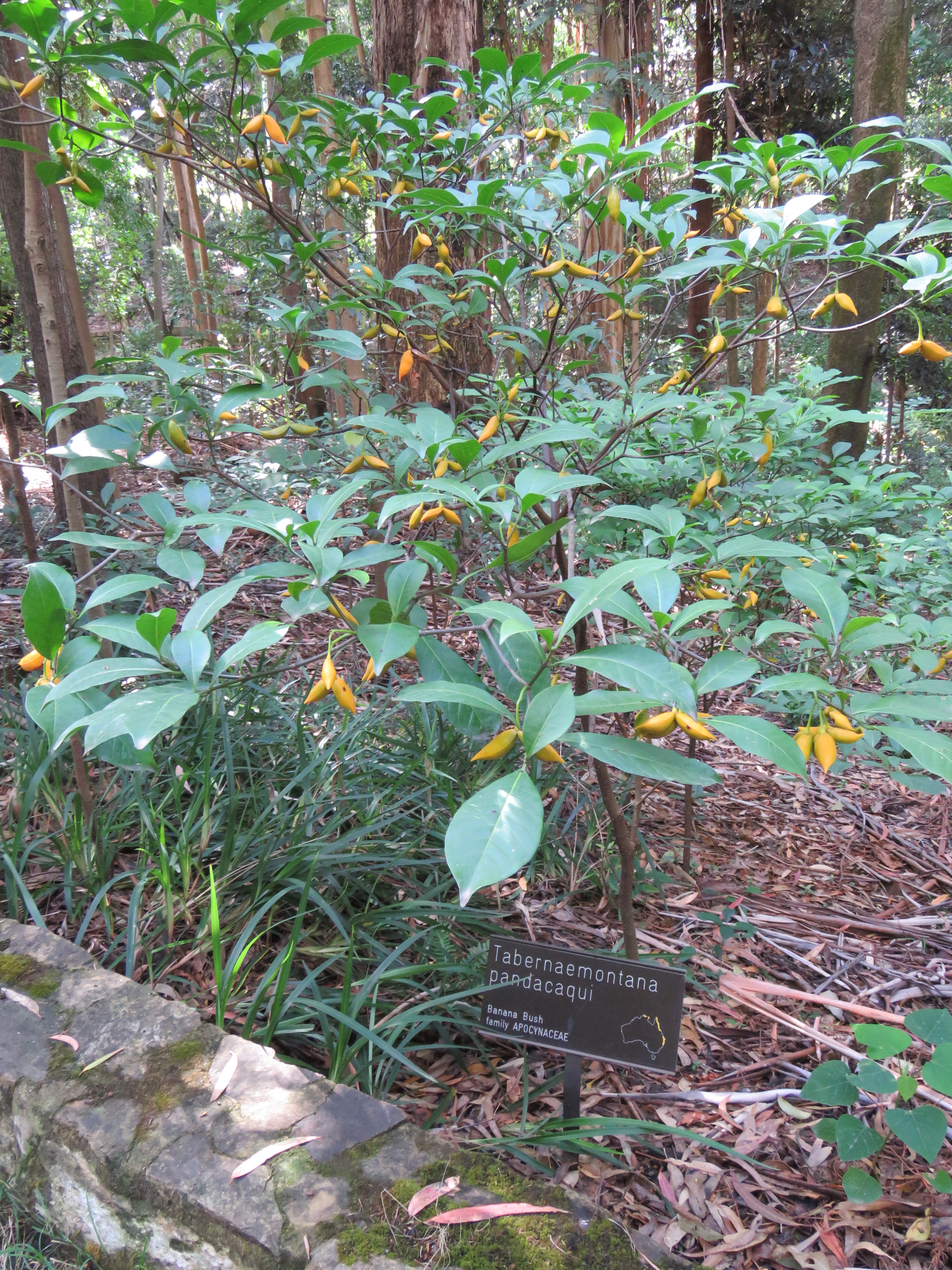
The most unusual discovery has to be the Banana Bush Tabernaemontana pandacaqui with its banana like fruit. An attractive and interesting plant occurring naturally in coastal Qld, northern NSW, WA and NT. While its attractive white flowers and fascinating fruit the milky sap is toxic, similar to highly poisonous Oleander, so care should be taken.
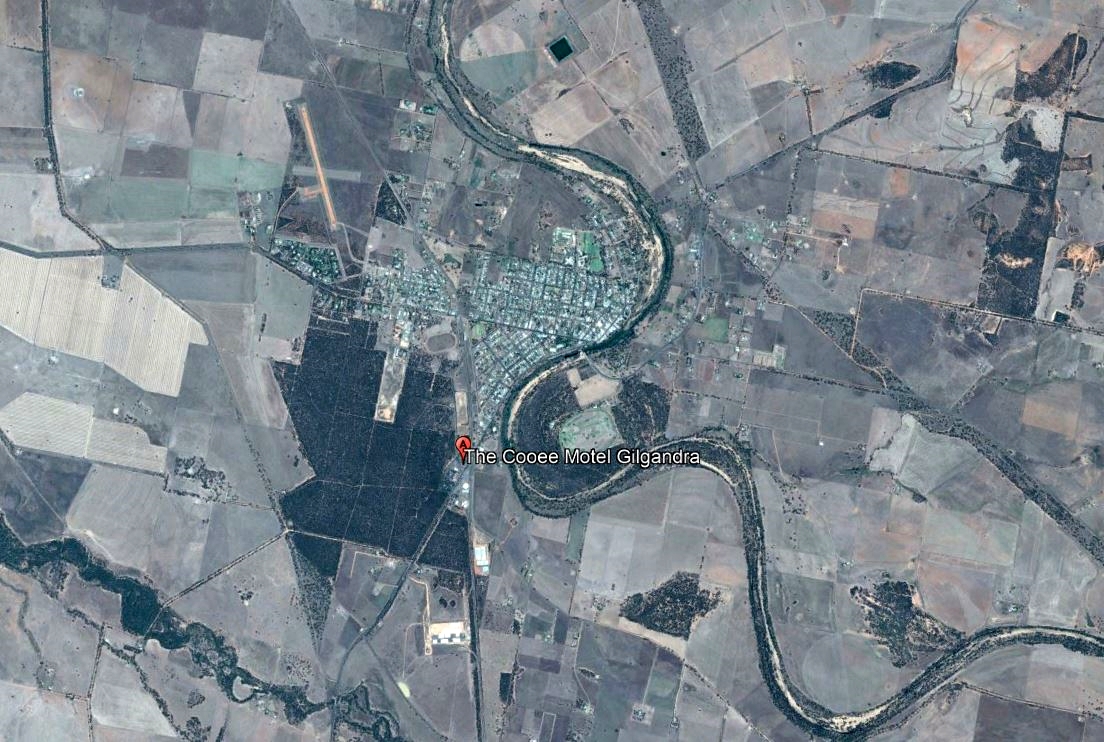
Travelling to Canberra over Easter and planning to visit the Western Plains Zoo at Dubbo, we needed somewhere to stay overnight. We found Cooee Motel, a real gem in the small country town of Gilgandra, three hundred and thirty kilometres north-west of Sydney Harbour and surrounded by farm land.
We were just expecting a basic motel suitable for an overnight stay. What we found was an oasis created by our generous hosts Tony and Lois Smolders. After ten hours on the road I was surprised and delighted to be able to explore a large garden that met all the criteria of a Pollinator Link garden #WaterFoodShelter for birds, butterflies and bees.
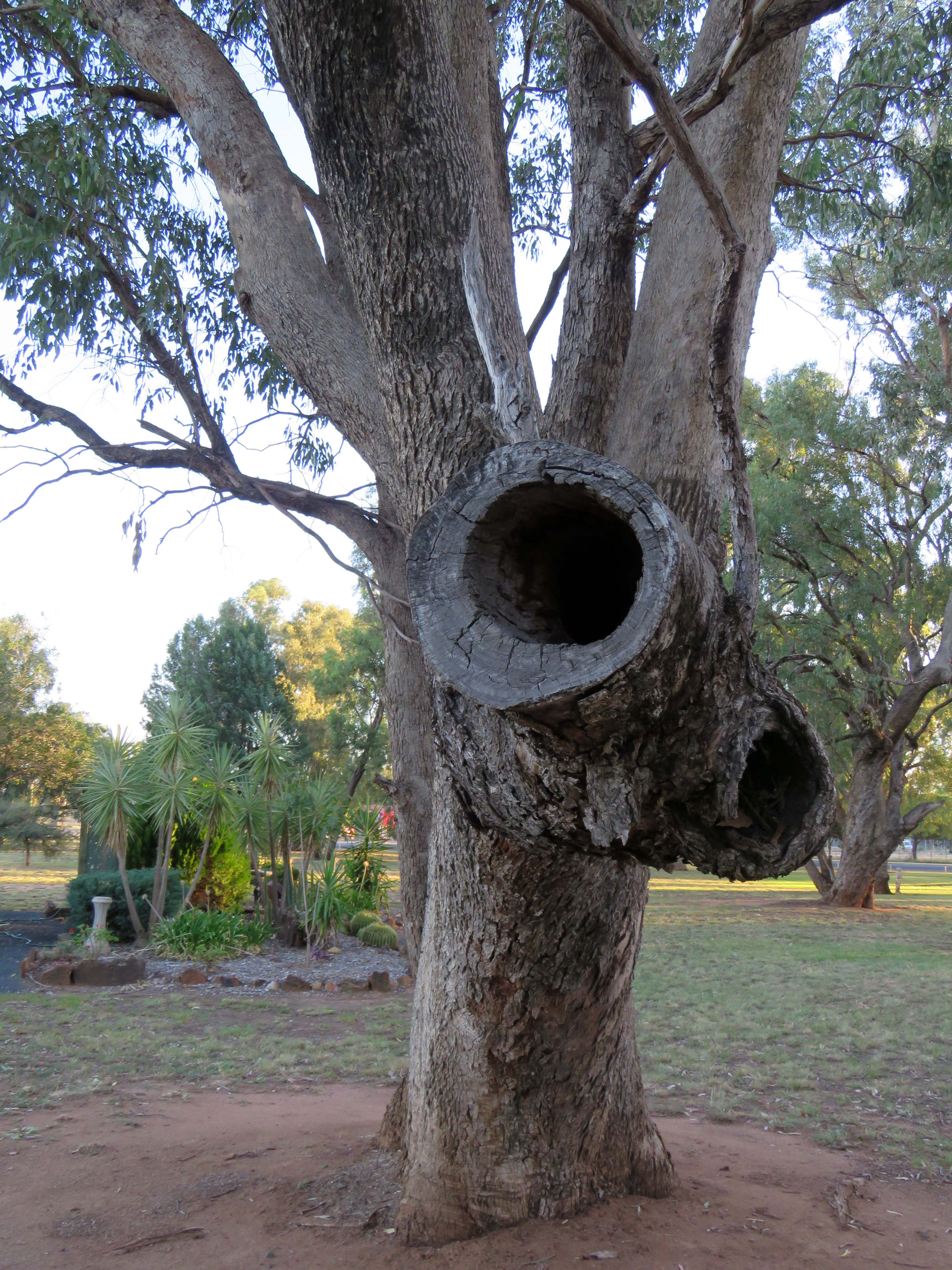
A number of old growth trees with nest hollows providing Shelter have also been retained. Tree branches have not been trimmed close to trunk which means nest hollows are left for birds and possums.
Talking with Lois and Tony, I asked if the garden was public park land. I could hear the pride in their voices as they explained that the land is part of the Motel site. Rather than develop the whole site they generously chose to retain the habitat for wildlife and in the process create a relaxing space for travellers.
The generosity of our hosts was underlined when we entered a motel unit well equipped with the usual kettle, toaster and microwave. We felt really valued as customers when we realised that, unlike the majority of motel rooms we have stayed in, this unit was made welcoming and cheerful with good lighting not the parsimonious minimum low wattage lights.
Excellent habitat for wildlife and human travellers.
Greg Tasney’s passion for the environment and his generosity means that he has propagated more 1,000 plants for use in restoration of his Rocky Waterholes Bushcare site.
Walking round garden I was amazed by the diversity of plants: vines, grasses, shrubs, trees and wildlife in this standard suburban block. Greg’s effort and skill propagating plants for his Bushcare site and to share with others is an inspiration.
Swamp Banksia Banksia robur As the name suggests this shrub will be happy in that wet spot on in your garden or can it will do well in a drier spot if water is provided. In full sun the yellow-green flowers provide food in the difficult Autumn / Winter seasons.
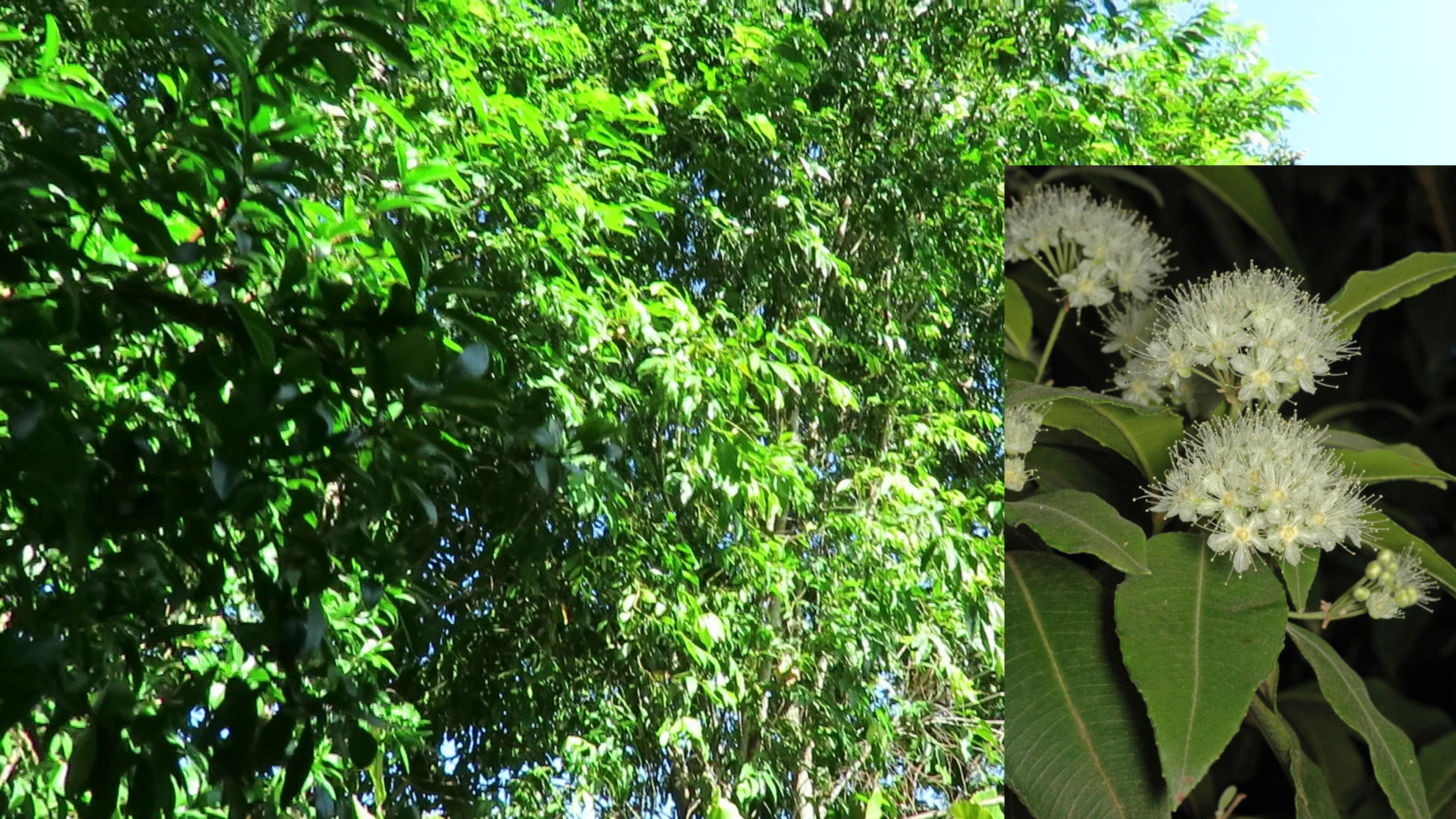
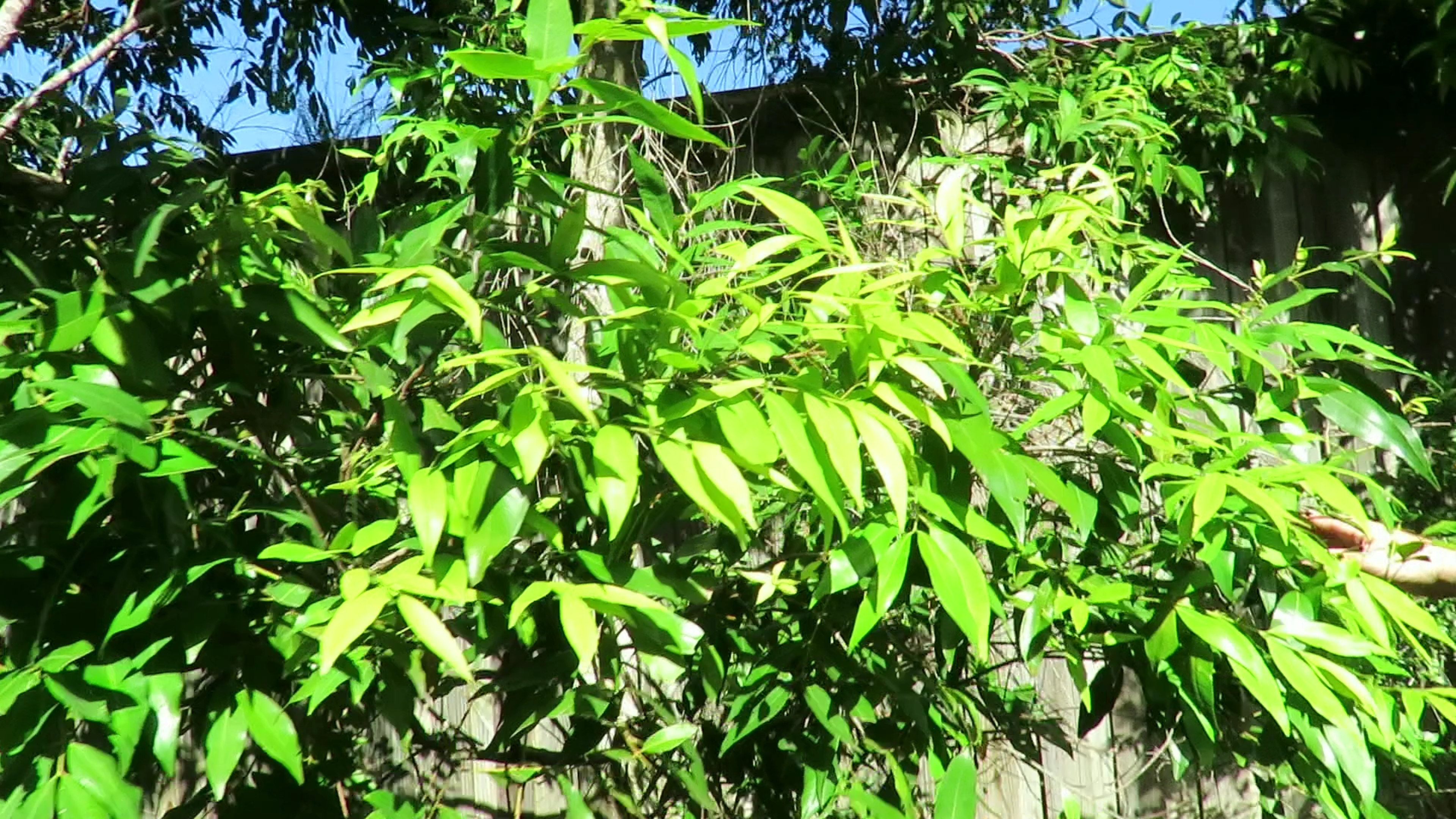
Lemon-scented Myrtle Backhousia citriodora Growing 5m tall and 3m wide in full sun this is an excellent screening tree to ground level. Bonus is the lemon scent from the leaves which can be used to make tea and works as a mozzie repellent. Birds visit the tree for fruit, insects and nectar.
Sweet Morinda
A scrambling climber Sweet Morinda Gynochthodes jasminoides (previously: Morinda jasminoides) is great for hiding an ugly corner and with pruning it makes an attractive bird sheltering shrub. Shiny leaves and sweet scented butterfly attracting flowers make this an attractive and useful addition to your garden.
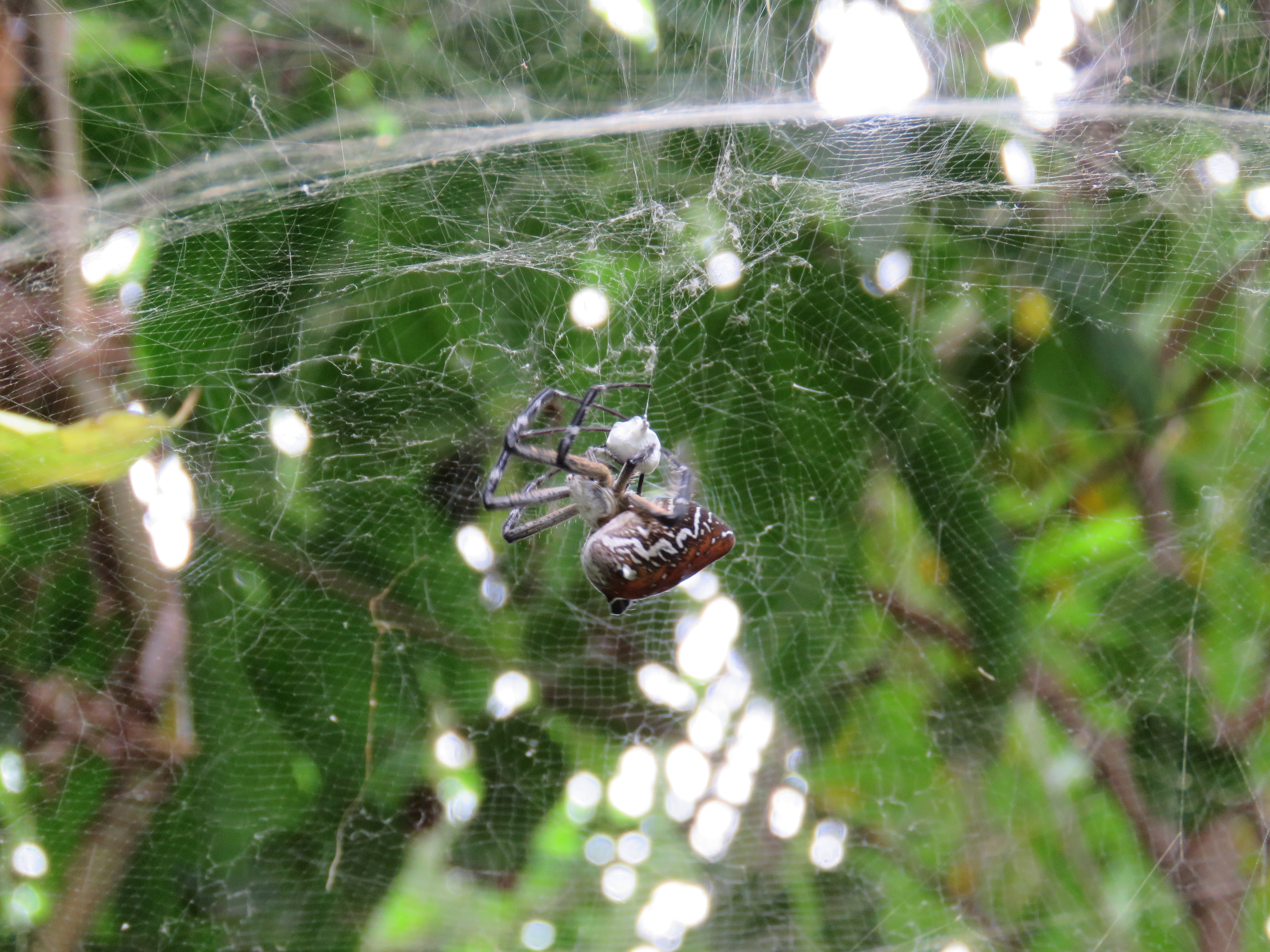
Spiders are not wildlife most people want in their backyard however when you hear the ‘oop-oop-oop-oop’ of a Pheasant Coucal Centropus phasianinus that is something special.
Walking into Rob Lucas’ Pollinator Link® garden is like walking into an oasis for wildlife. Shady and cool it is also an oasis calm for people.
Gardens like Rob’s, support the volunteer restoration work of groups like Melrose Park Bushcare by providing water, food and shelter for wildlife moving through the urban habitat.
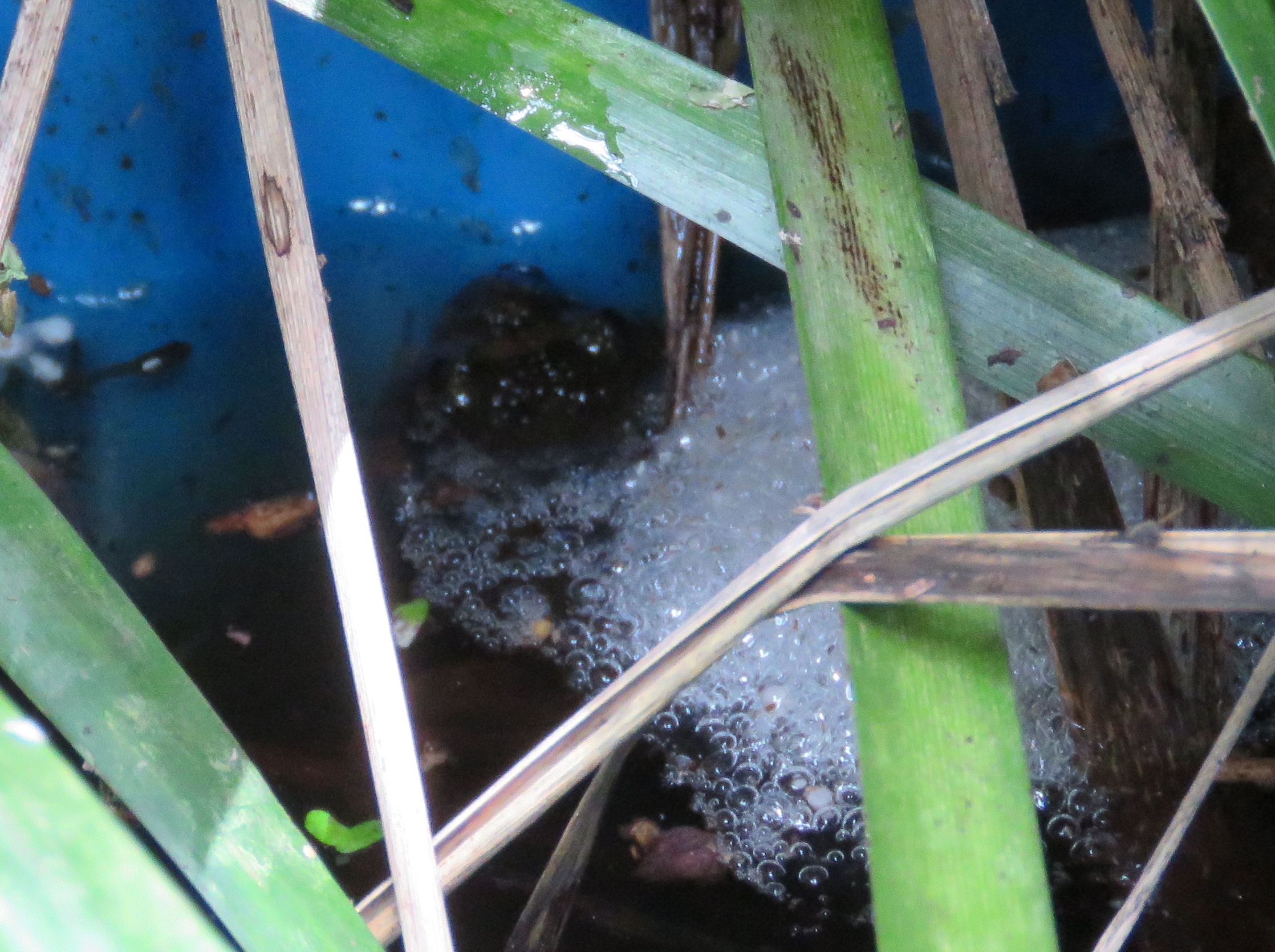
Tusked Frog and frog eggs
Water for wildlife is an important component of creating the cool micro-habitat of this garden.
A discarded child’s clam-shell has been used to create a frog pond large enough to host attractive water plants like Water Snowflake Nymphoides indicaindigenous to south-east Queensland. Check with your local Community Nursery
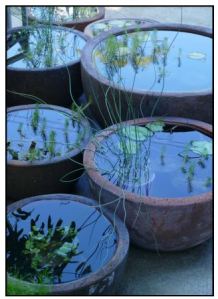
You can build a frog pond. A frog pond does not need to be expensive or even large. Evan an old cook pot can find a new life creating habitat for wildlife in the backyard.
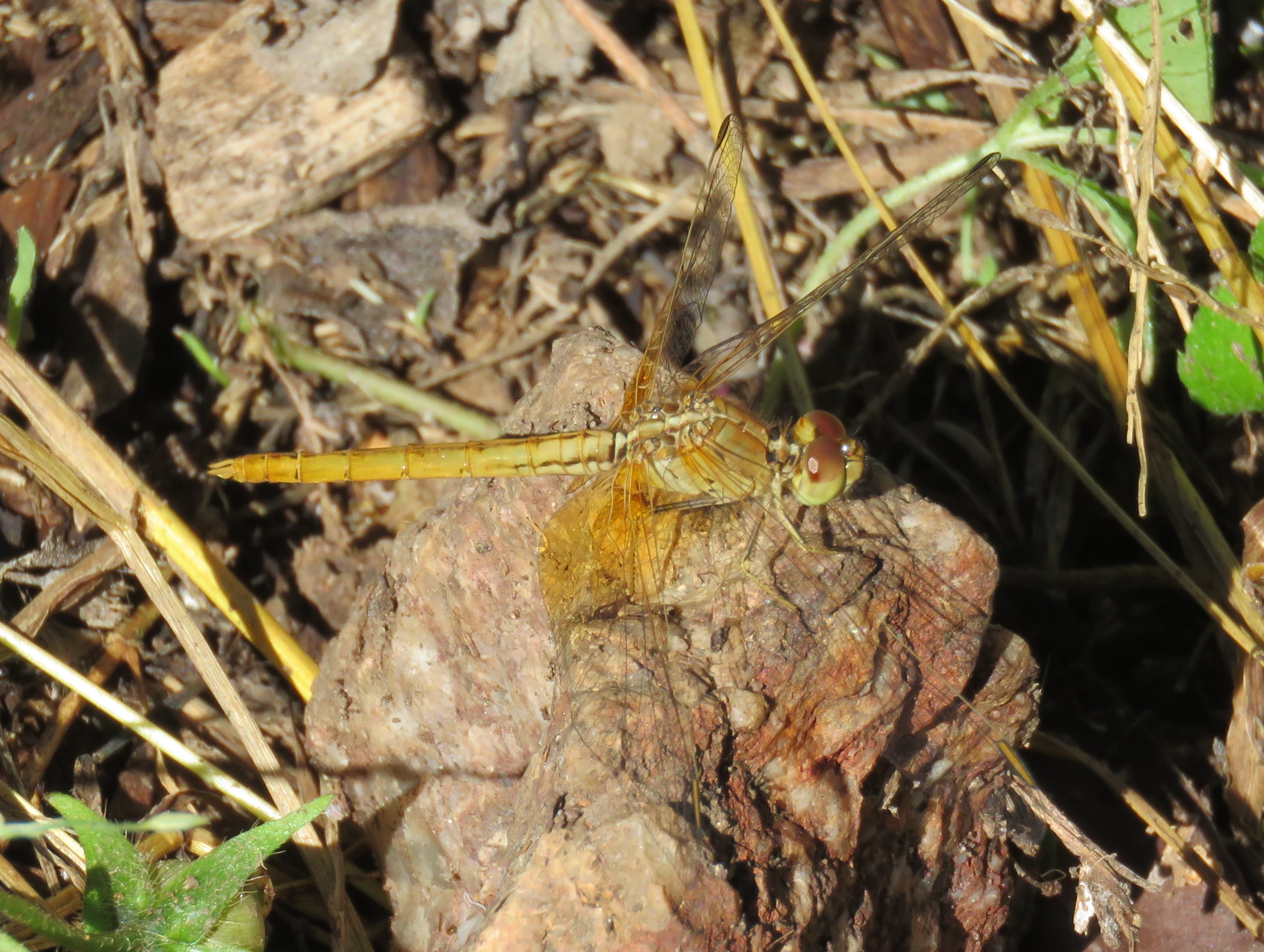
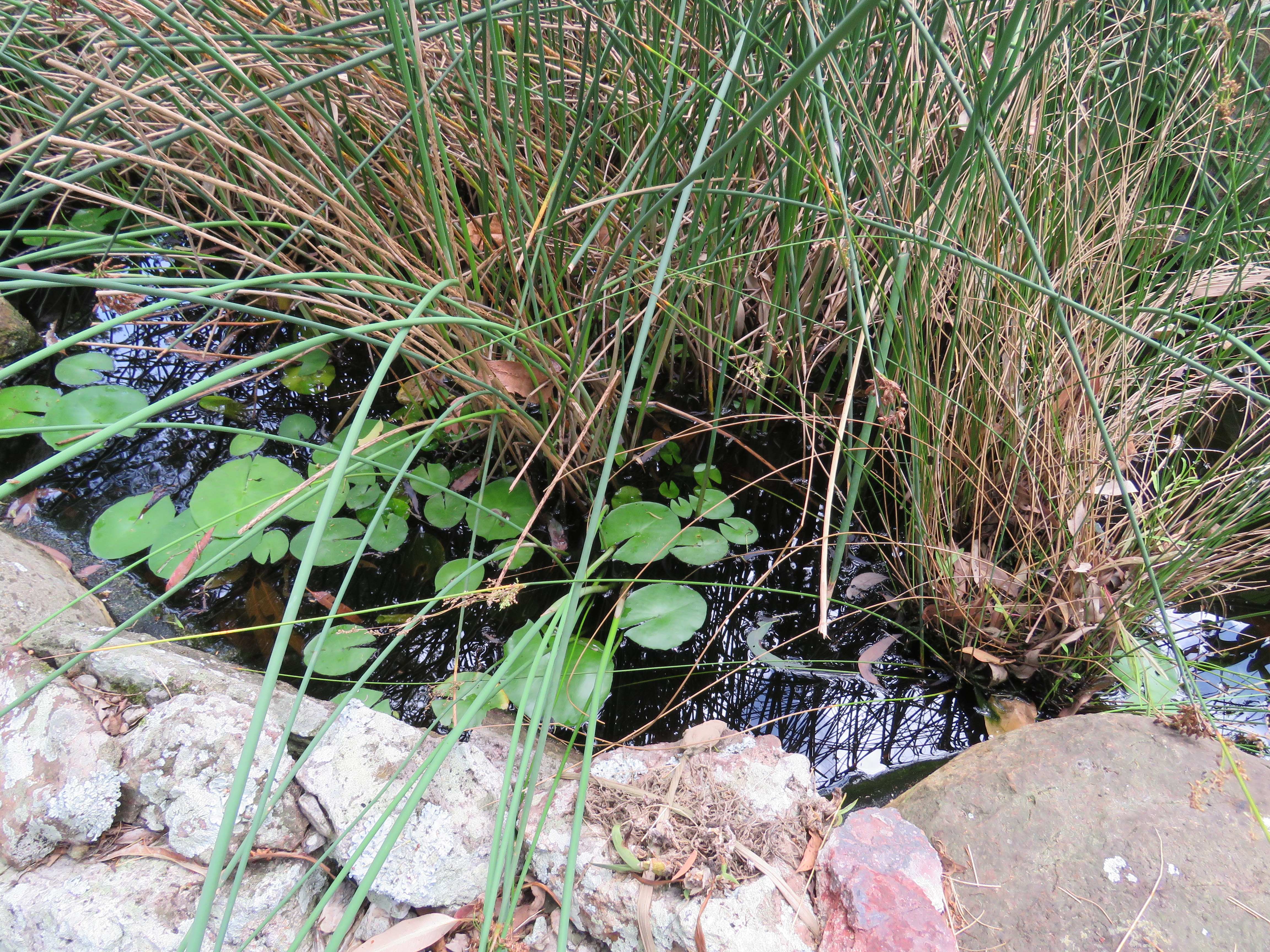
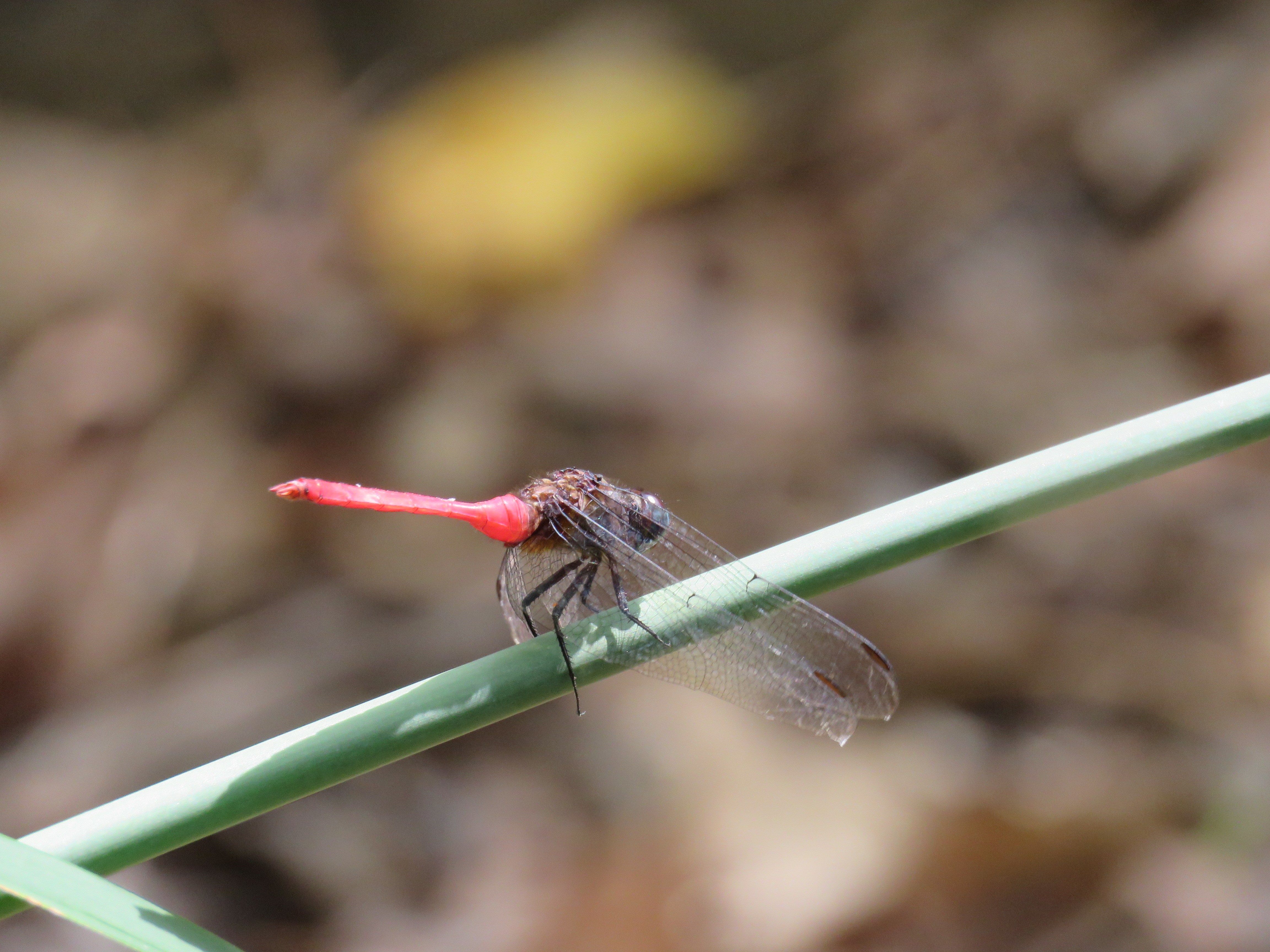
Maintain some open water to encourage dragonflies to visit your garden. Dragonflies are beneficial insects providing free 24/7 pest control for you garden, with adult dragonflies feeding on mosquitoes and nymphs feeding on mosquito larvae in the water.
Wax Flower Vine Hoya australis is a hardy versatile attractive native climber that does flowers well in sun but will tolerate deep shade and growing in pots or hanging baskets.
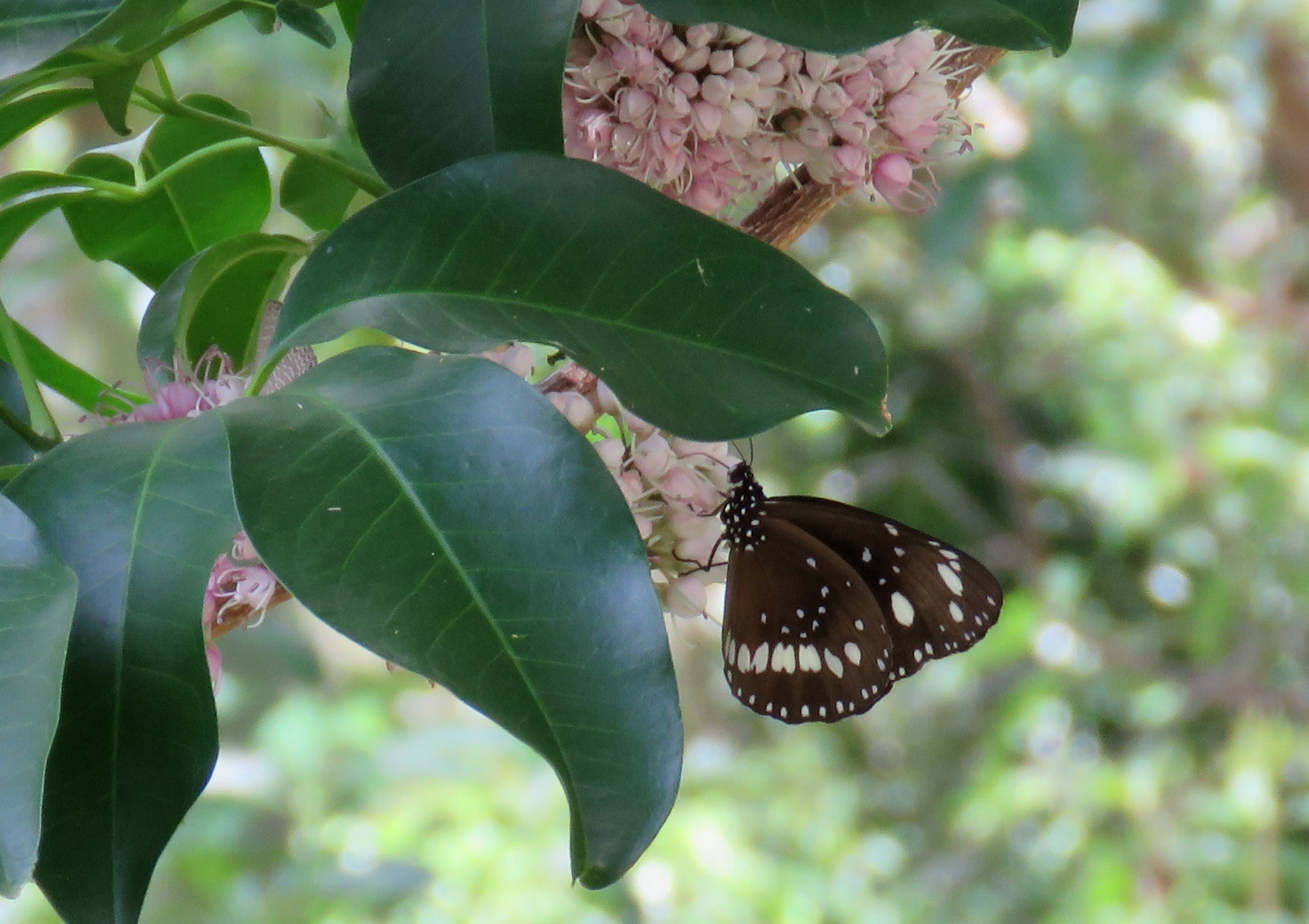
Food plant for Common Crow Euploea core butterfly caterpillars.
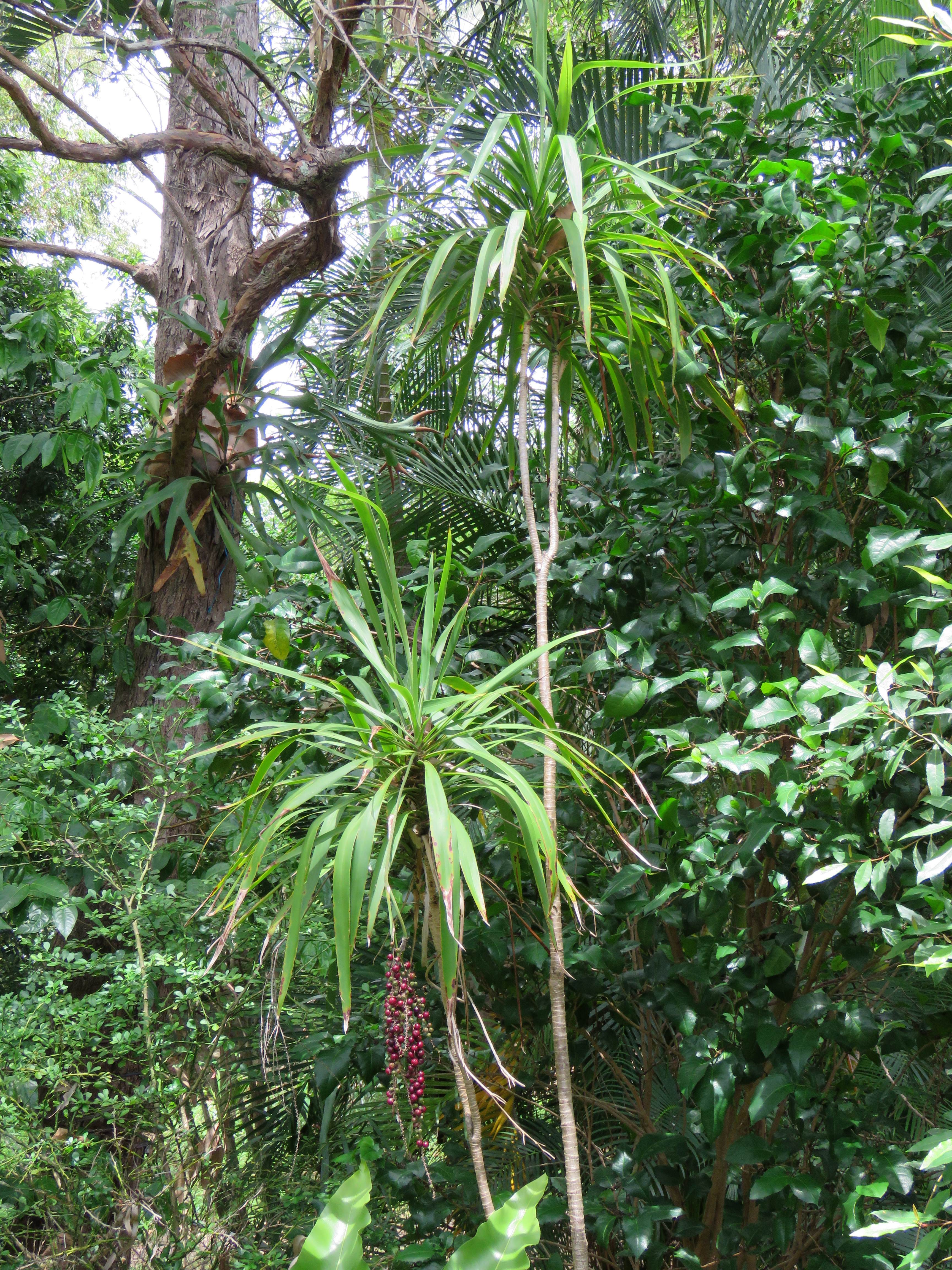
Red-fruited Palm-lily with its distinctive red fruit and its narrow format (4m height and 50cm spread) is a useful plant for narrow borders or difficult corners.
Sightings have been uploaded to Bowerbird as part of our Pollinator Link research project. Bowerbird is a simple to use citizen science database that also feeds into the Atlas of Living Australia providing valuable information planning restoration of city Bushcare sites.
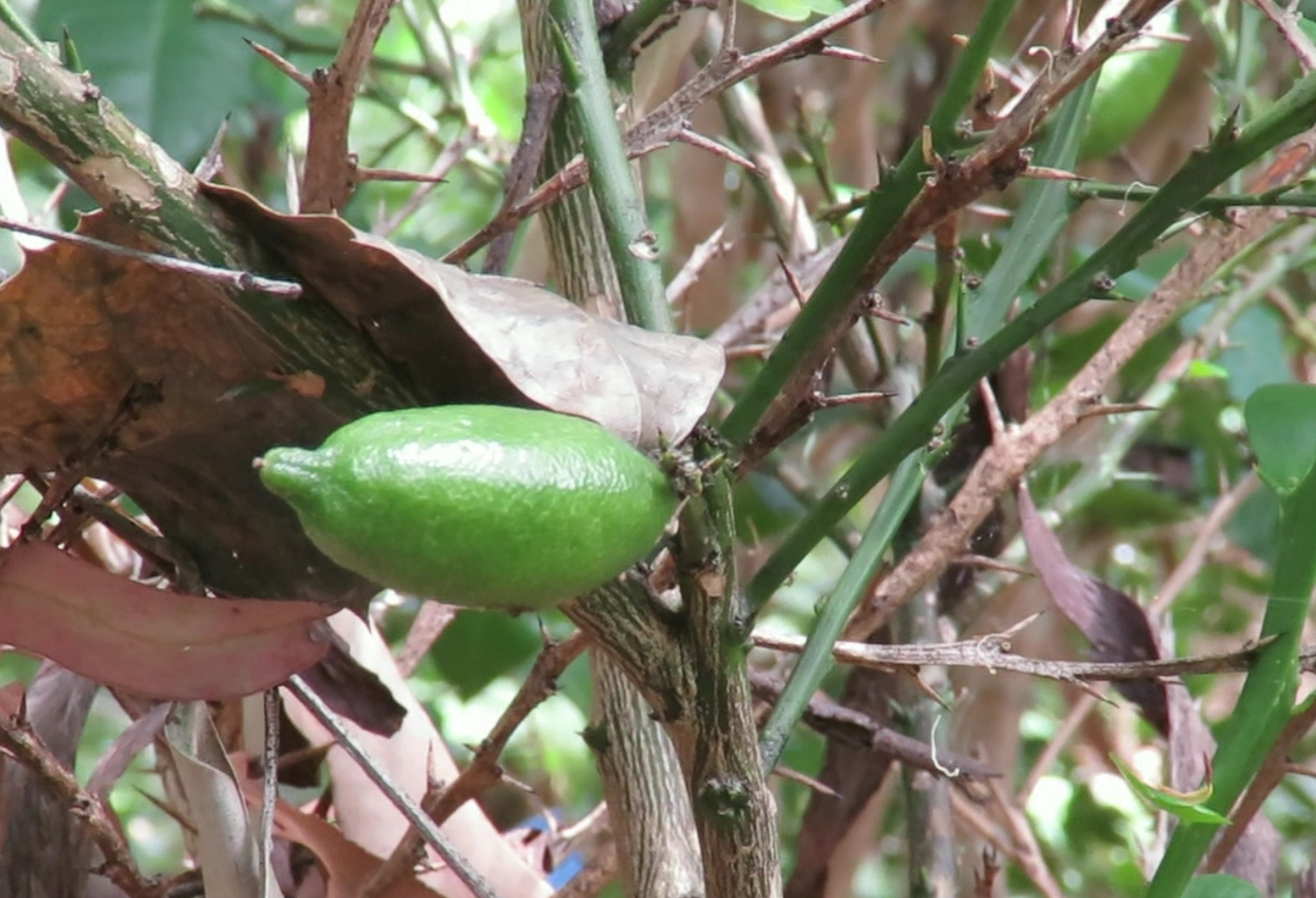
Finger Limes are interesting additions to your bushfood garden planting. Unlike better known oranges and lemons the juice is packaged in small capsules that look a bit like caviar and explode in your mouth as you bite down.
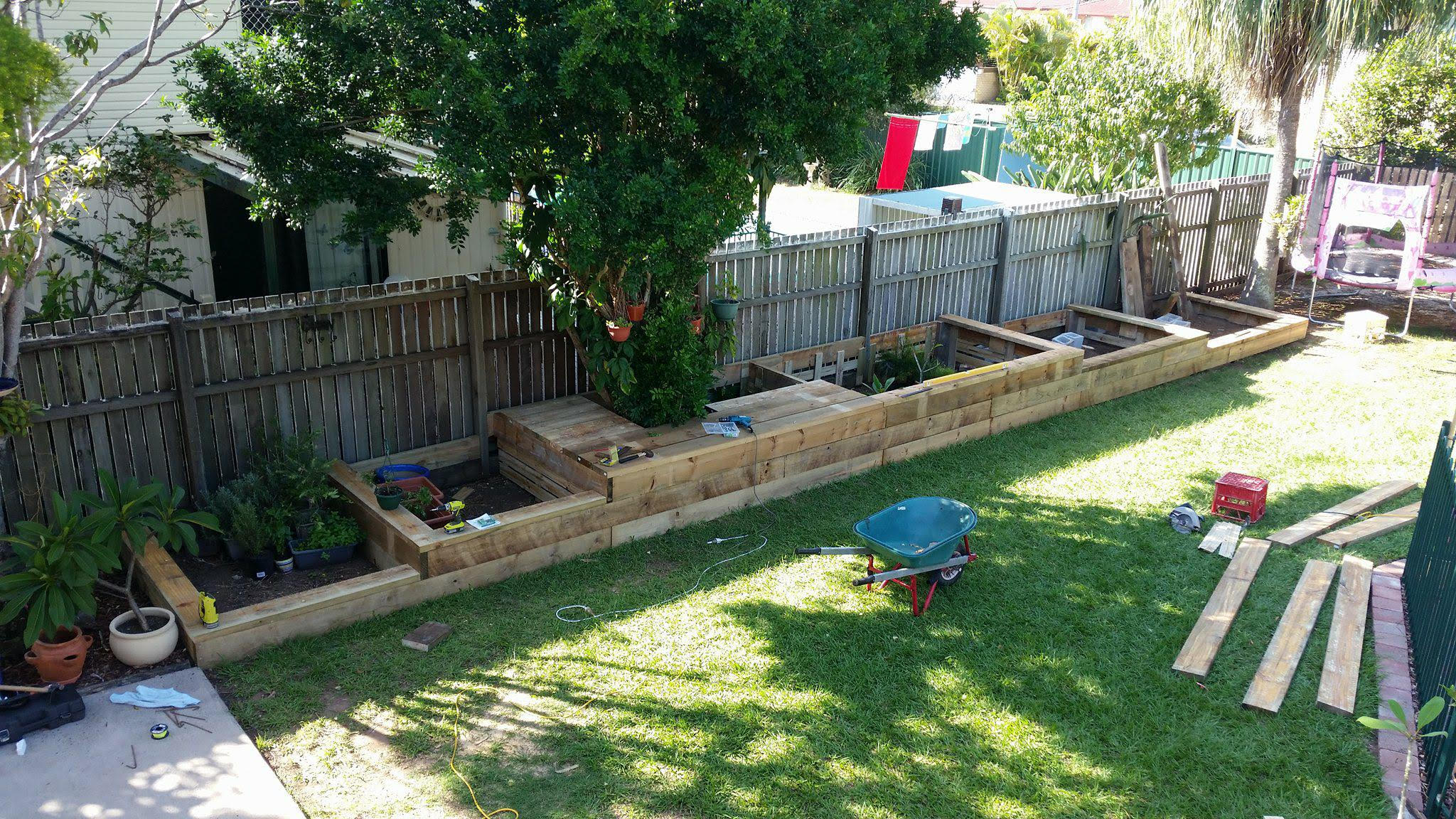
Allison’s garden is a great example of a habitat haven created for wildlife and people. A typical suburban two-dimensional grass and dirt garden converted to a thriving wildlife habitat in just fourteen months. All without losing the inviting grassed play area for the kids.
Stingless Native Bee with large ball of pollen
Stingless Native Bees Tetragonula sp. are tiny black insects smaller than house flies that collect nectar and pollen to store in their hive. These tiny bees are amazing pollinators of everything from citrus to Macadamia Nut trees Macadamia integrifolia.
Unfortunately they sometimes also obsessively collect seeds of the local weed tree: Cadaghi Corymbia torelliana, that clog the entry to their hive.
Brushtail mum with joey – Fox Gully Bushcare
“If you build it, they will come.” Field of Dreams (movie)
Hoverflies are another but little known pollinator which also provide valuable pest control services in your garden. Hoverfly larvae are predators of many soft body insects such as aphids, scale insects, thrips and caterpillars.
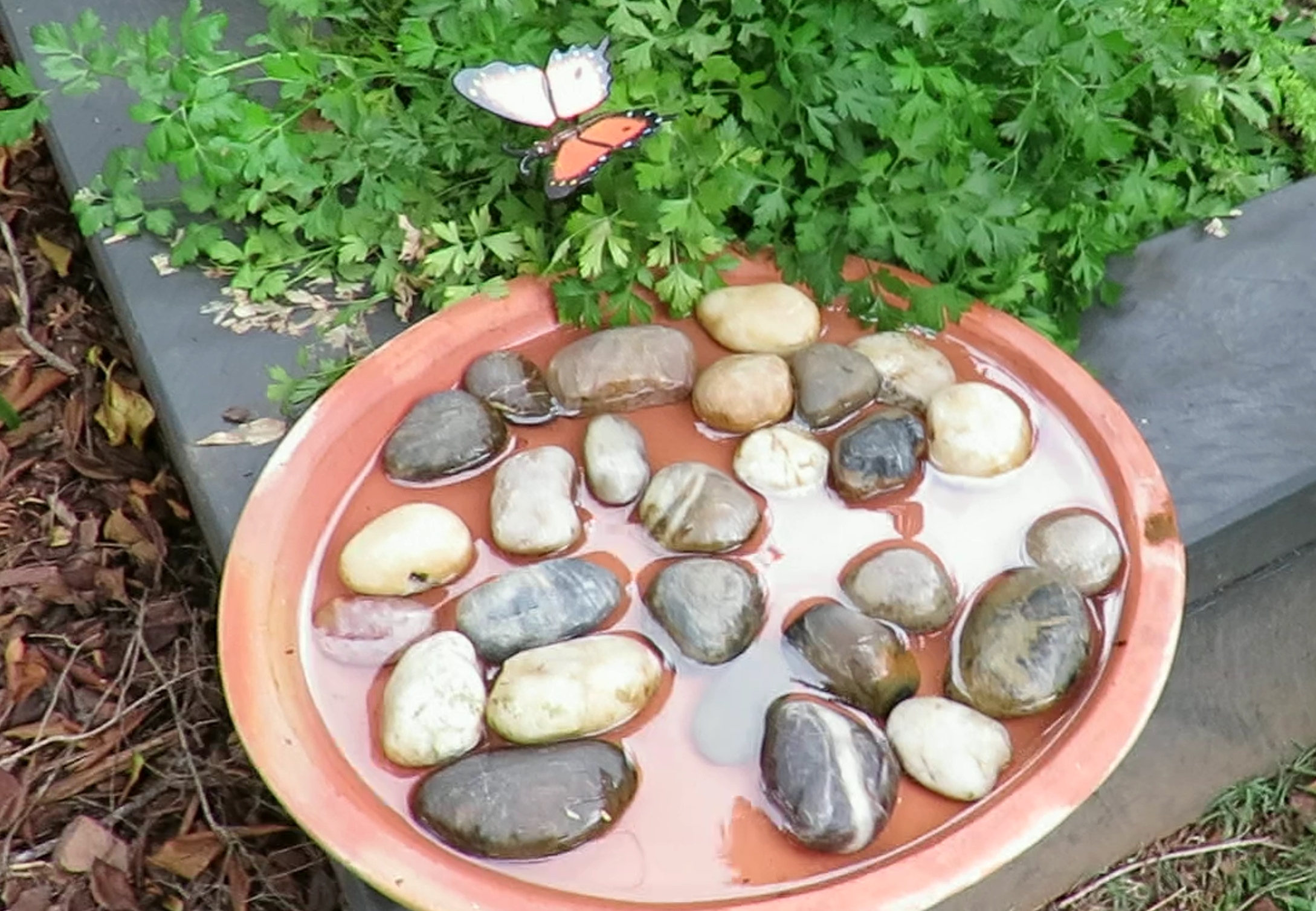
Butterfly Puddling Place
A Butterfly Puddling Place is a great way to provide water for wildlife. All animals need water, however, butterflies, bees and other insects, like hoverflies, need to be able to land and drink safely.
Male butterflies also collect minerals and salts that are transferred to the female during mating to help with egg development.
Allison also introduced me to Butterfly Houses something I had never heard of before. I am interested in following the progress with the Butterfly House as all the information I found online referred to winter in cold climates like the United Kingdom.
Frog Pond
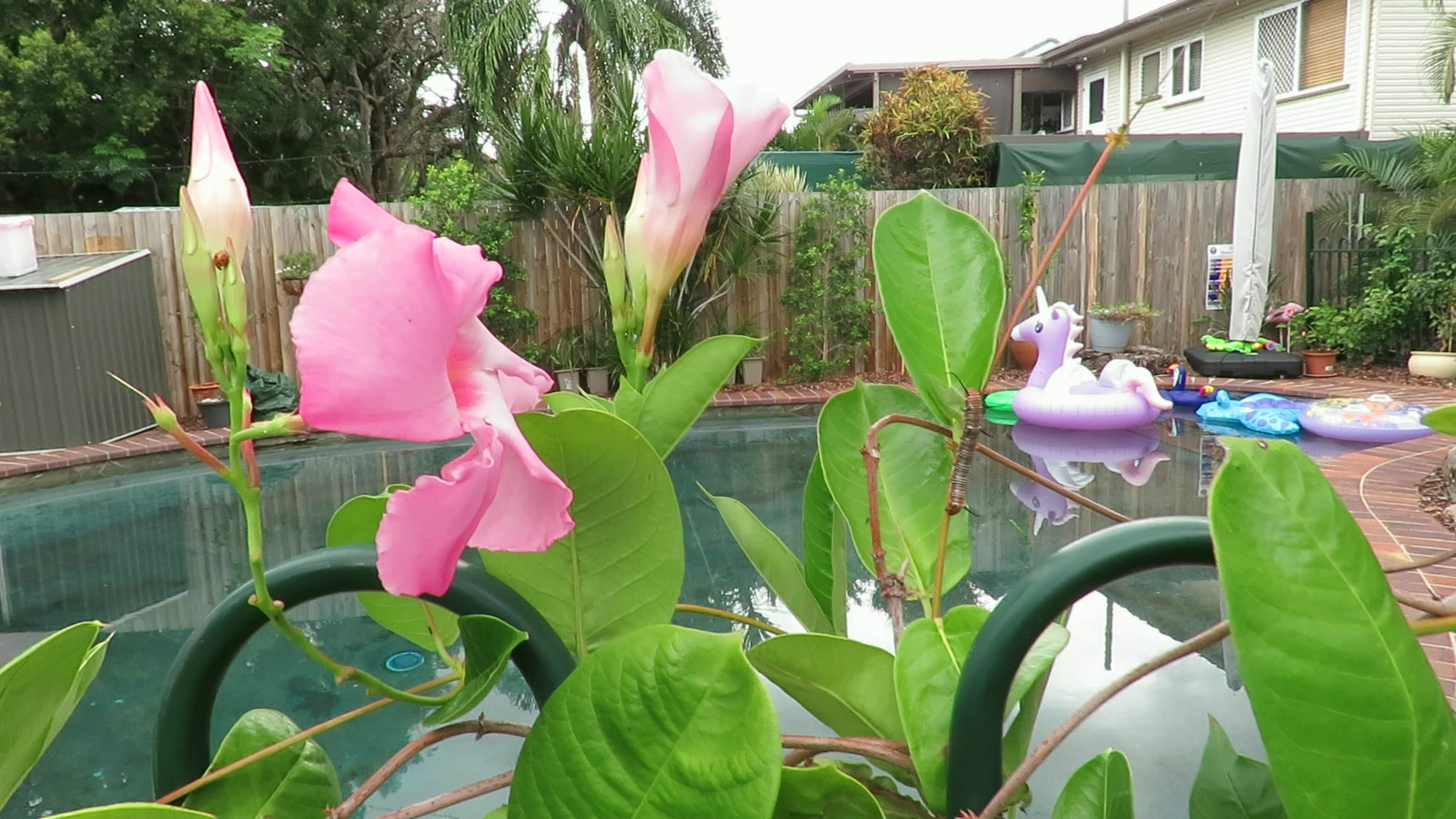
Frogs are serendipitous and welcome residents in Allison’s garden. An attractive frog pond replaced the out-of-control swimming pool and the Bleating Tree Frogs Litoria dentata use hollows in the pool fence for shelter.
Allison’s Pollinator Link garden is providing links for wildlife and building links with neighbours who value the bumper crops resulting from the pollination services provided by native bees.
























 Pollinator Link