Water Plants for Containers
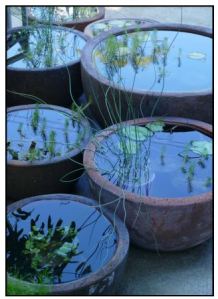
If you have been inspired by Rob Lucas and his frog ponds download the excellent guide to water plants for small frog ponds from Native Plants Sunshine Coast.
By: Michael Fox
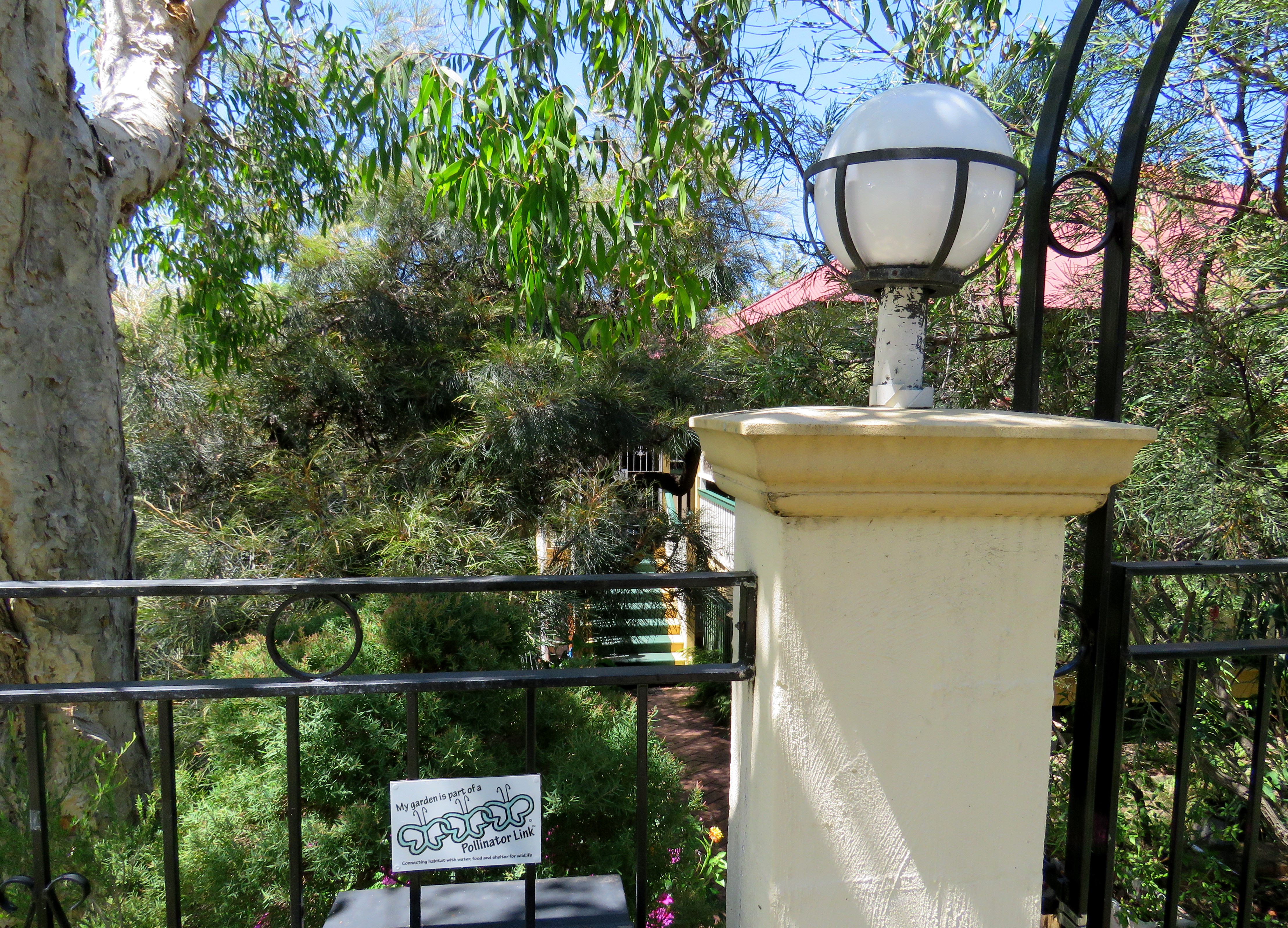
Walking into Rob Lucas’ Pollinator Link® garden is like walking into an oasis for wildlife. Shady and cool it is also an oasis calm for people.
Gardens like Rob’s, support the volunteer restoration work of groups like Melrose Park Bushcare by providing water, food and shelter for wildlife moving through the urban habitat.
Water for wildlife is an important component of creating the cool micro-habitat of this garden.
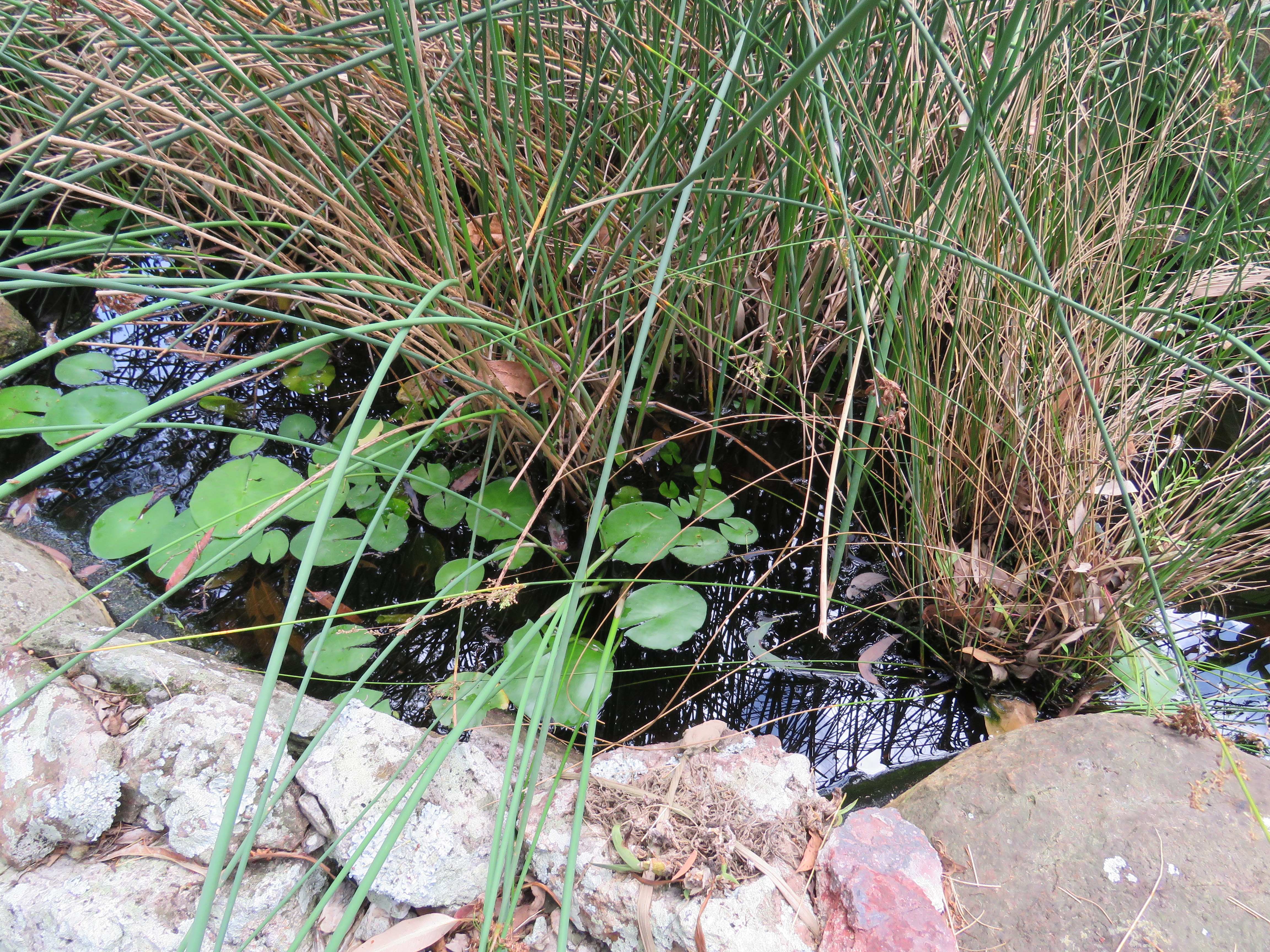
A discarded child’s clam-shell has been used to create a frog pond large enough to host attractive water plants like Water Snowflake Nymphoides indica indigenous to south-east Queensland. Check with your local Community Nursery
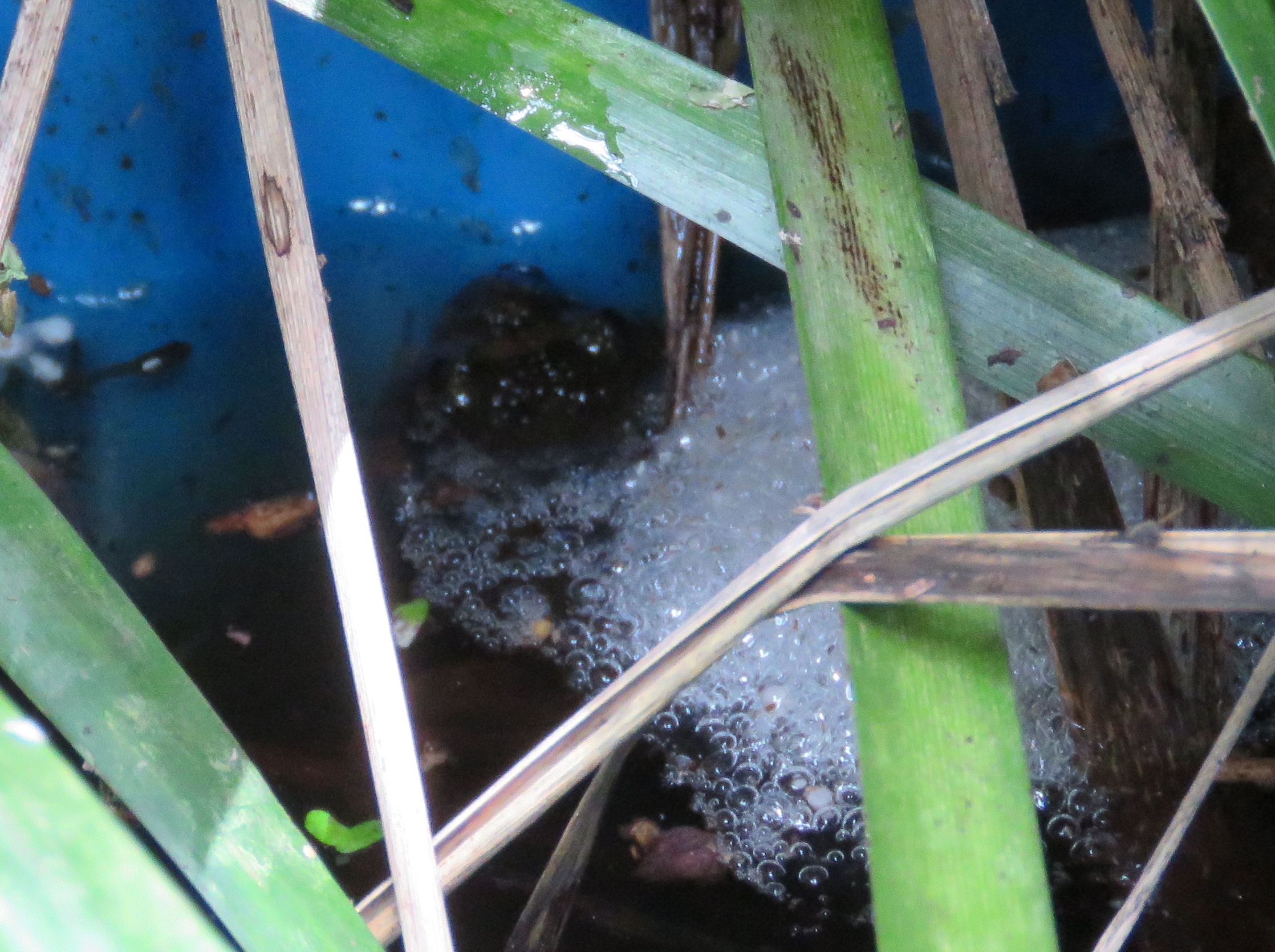
Evidence of success is a raft of frog eggs and a Tusked Frog Adelotus brevis hiding among the leaves.
You can build a frog pond. A frog pond does not need to be expensive or even large. Evan an old cook pot can find a new life creating habitat for wildlife in the backyard.
Maintain some open water to encourage dragonflies to visit your garden. Dragonflies are beneficial insects providing free 24/7 pest control for you garden, with adult dragonflies feeding on mosquitoes and nymphs feeding on mosquito larvae in the water.
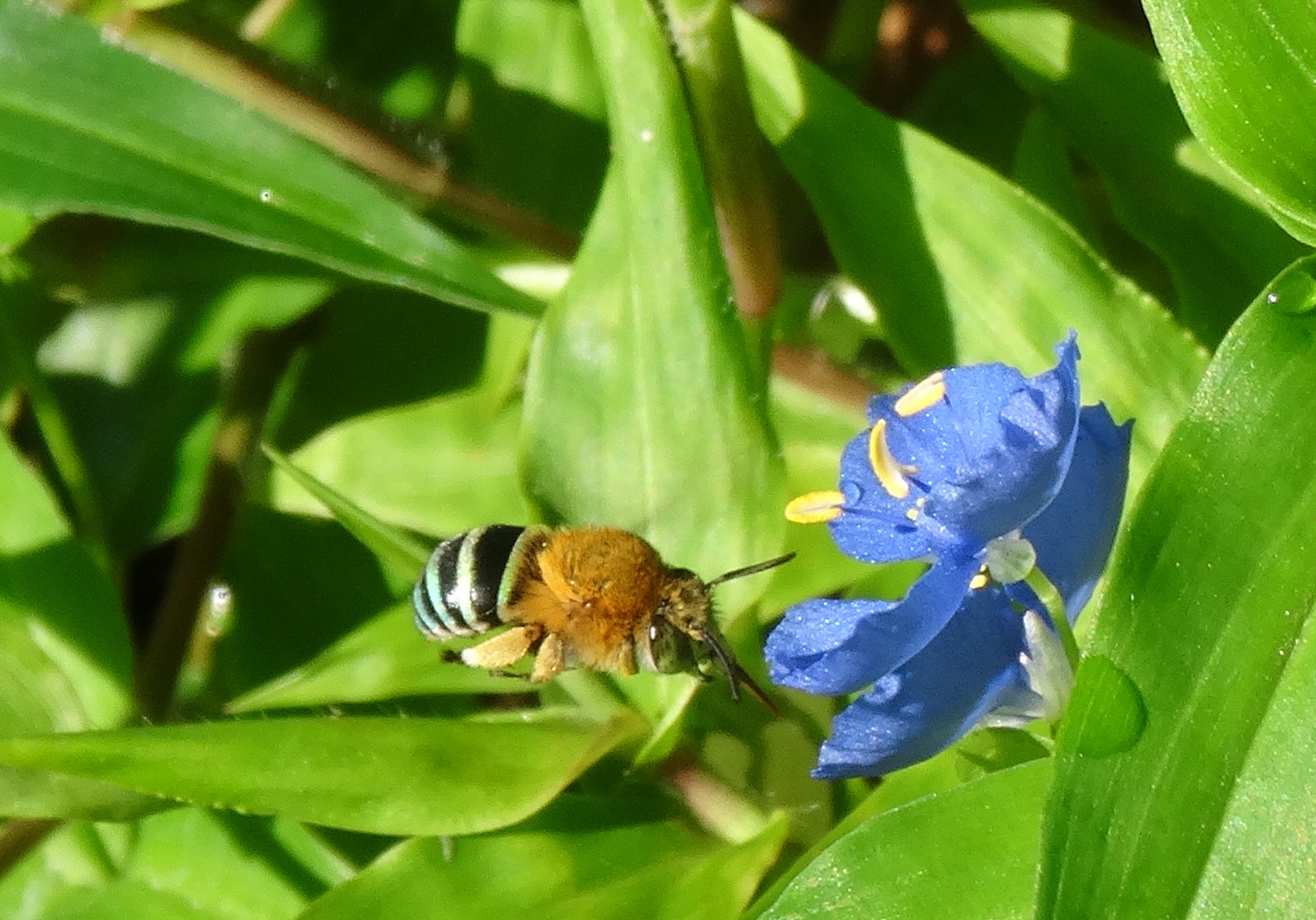
Blue-banded Bees Amegilla sp. are another special beneficial insect providing buzz pollination for your vegetable garden.
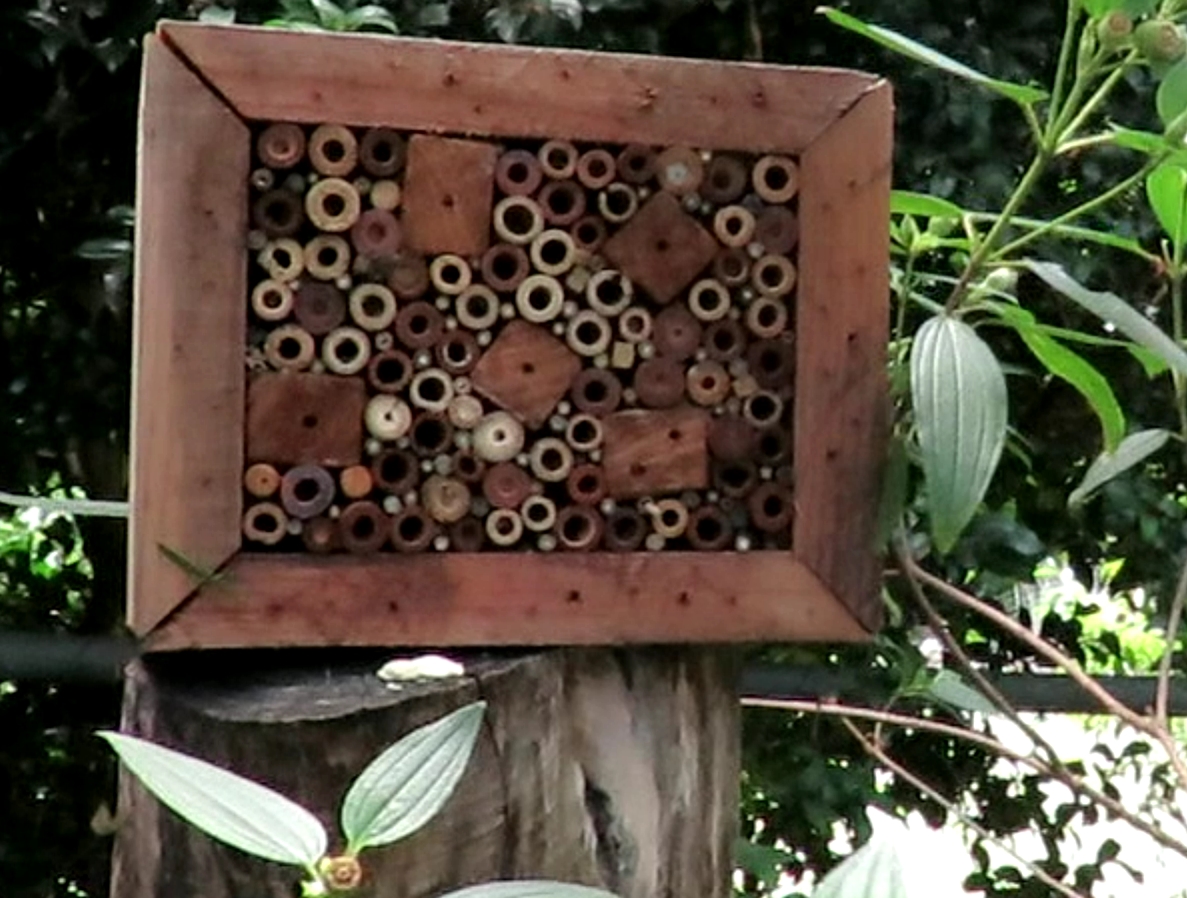
Australia has over 2,000 species of solitary bees, like the Blue-banded Bee. Solitary bees do not form colonies like Stingless Native Bees Tetragonula sp. or European Honey Bees Apis mellifera. You can make your own Backyard Bee Home to provide Shelter for these valuable pollinators.
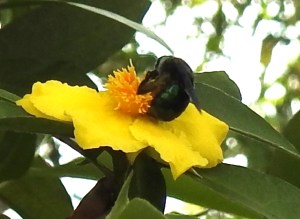
Wax Flower Vine Hoya australis is a hardy versatile attractive native climber that does flowers well in sun but will tolerate deep shade and growing in pots or hanging baskets.
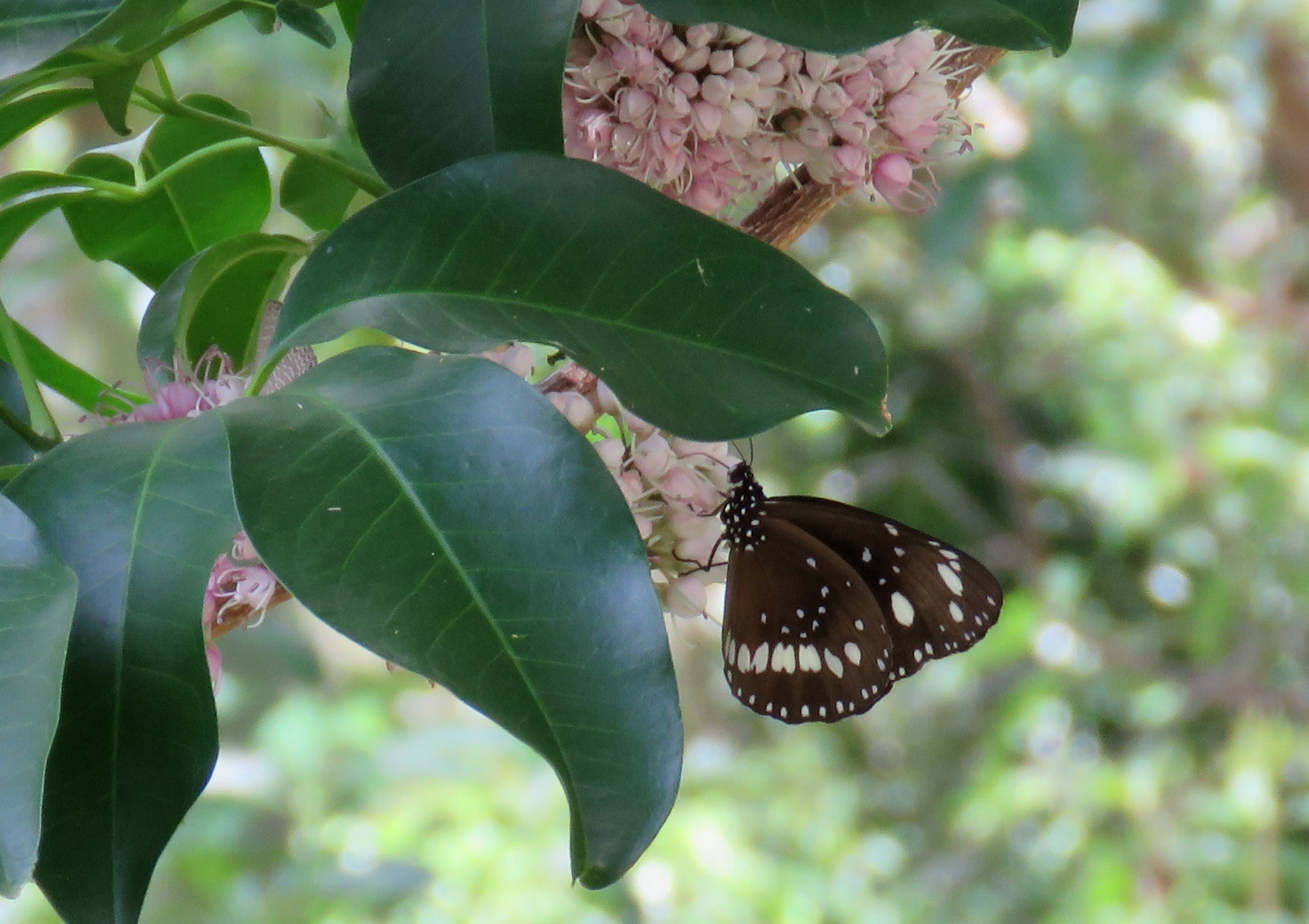
Food plant for Common Crow Euploea core butterfly caterpillars.
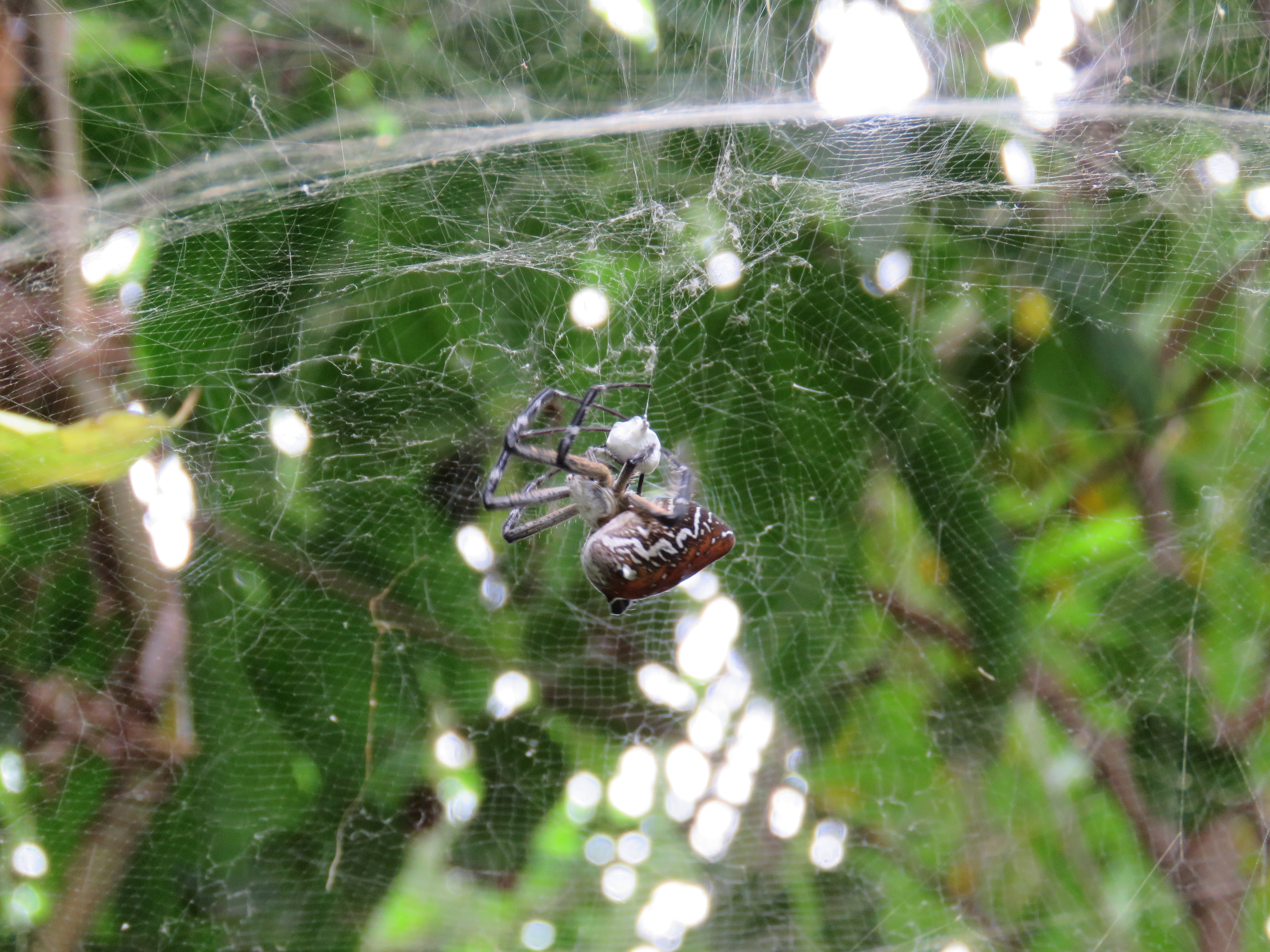
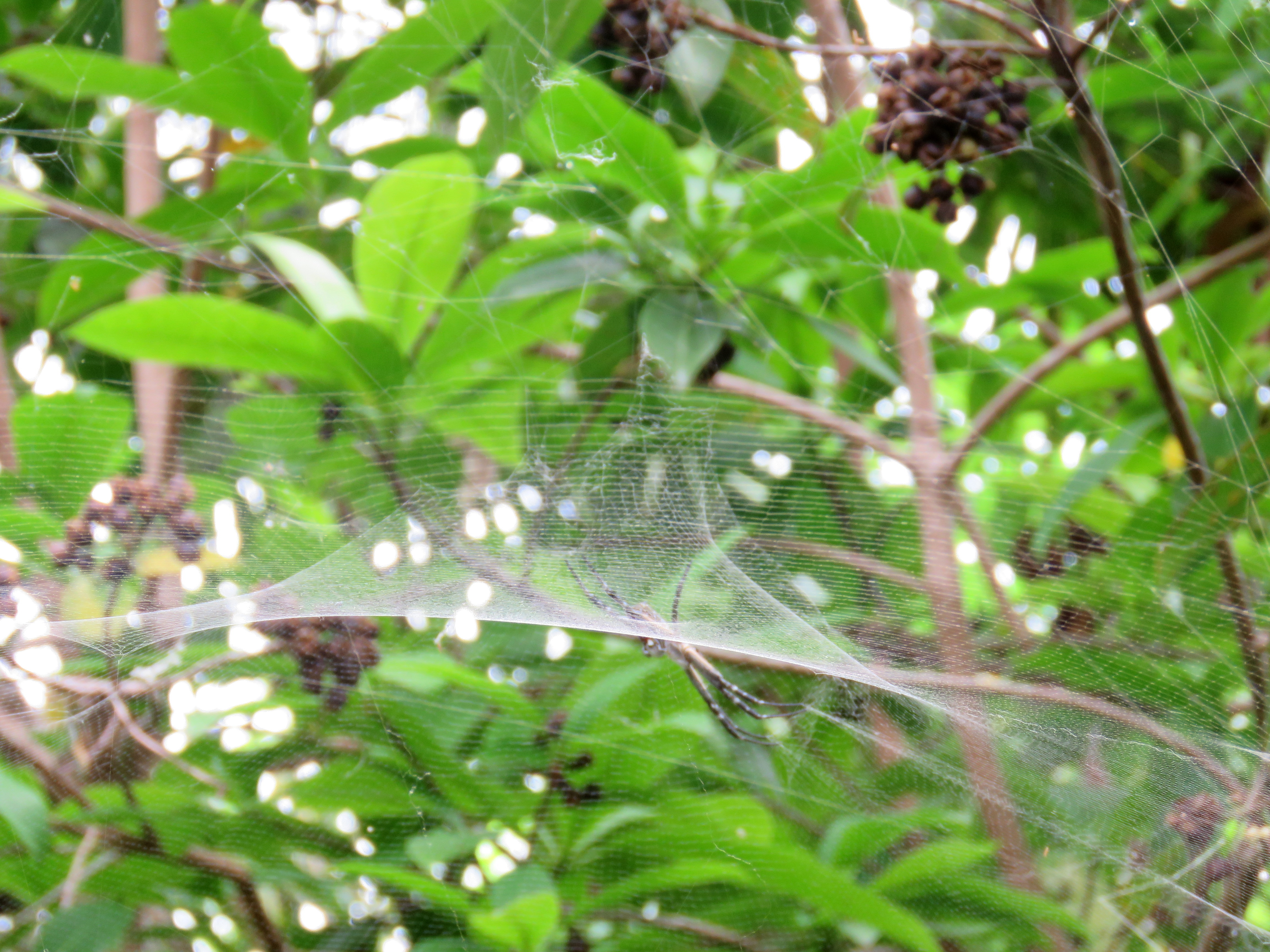
Dome Tent Spiders Cyrtophora moluccensis create webs peaked in a shape like a circus tent.
Spiders and moths like the Two-spots Tiger Moth Asota plagiata are food for birds like the Tawny Frogmouth Podargus strigoides family nesting in the trees.
By: Michael Fox
Greg Neill’s Pollinator Link garden is an urban forest nestled on the edge of one of the appropriately named Coorparoo Finger Gullies.
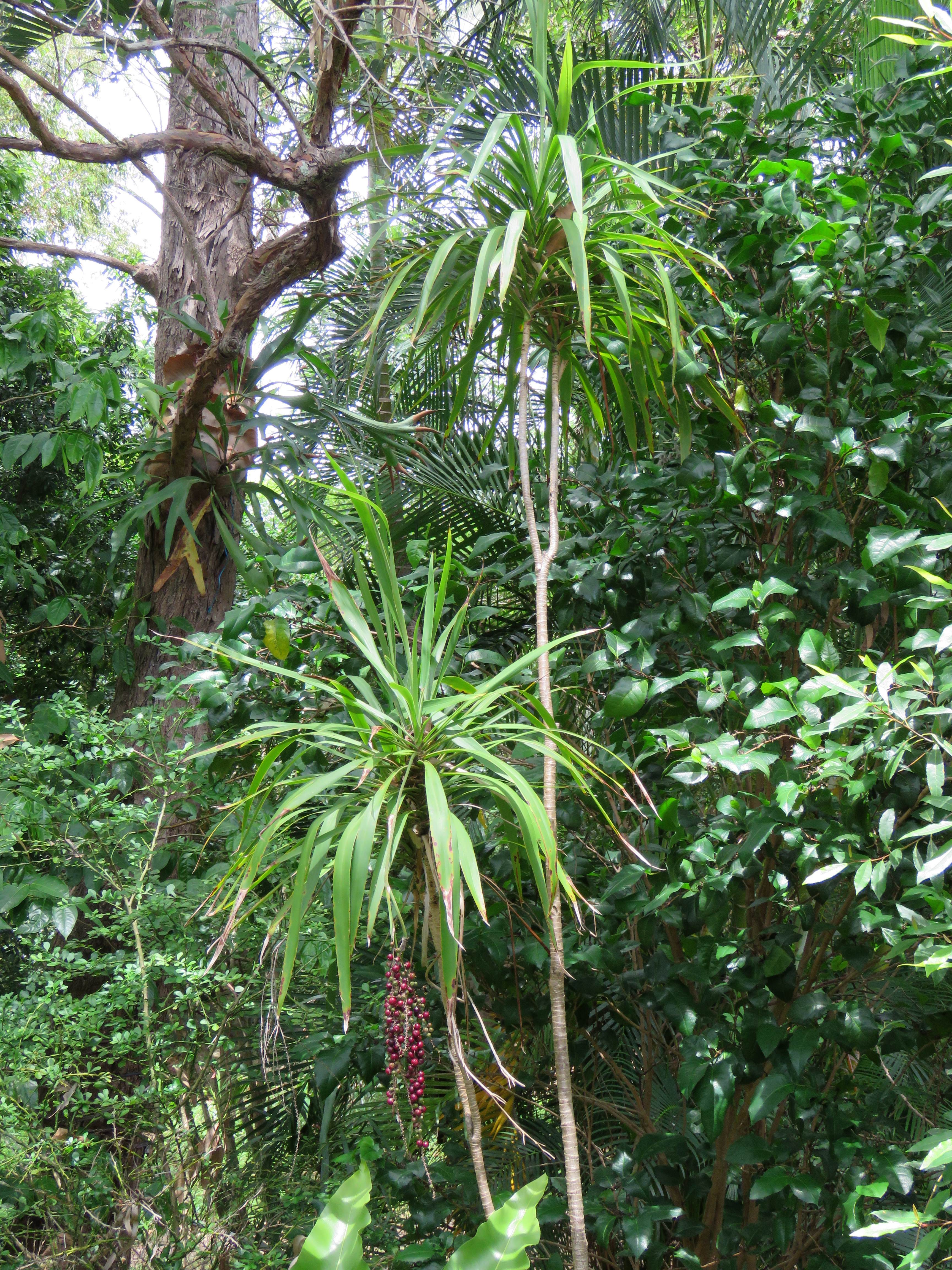
Greg’s garden has: Water provided with birdbaths and frog pond, Food, like the Red-fruited Palm-lily Cordyline rubra, for fruit eating birds and Shelter like the termite nest used by Laughing Kookaburra Dacelo novaeguineae family.
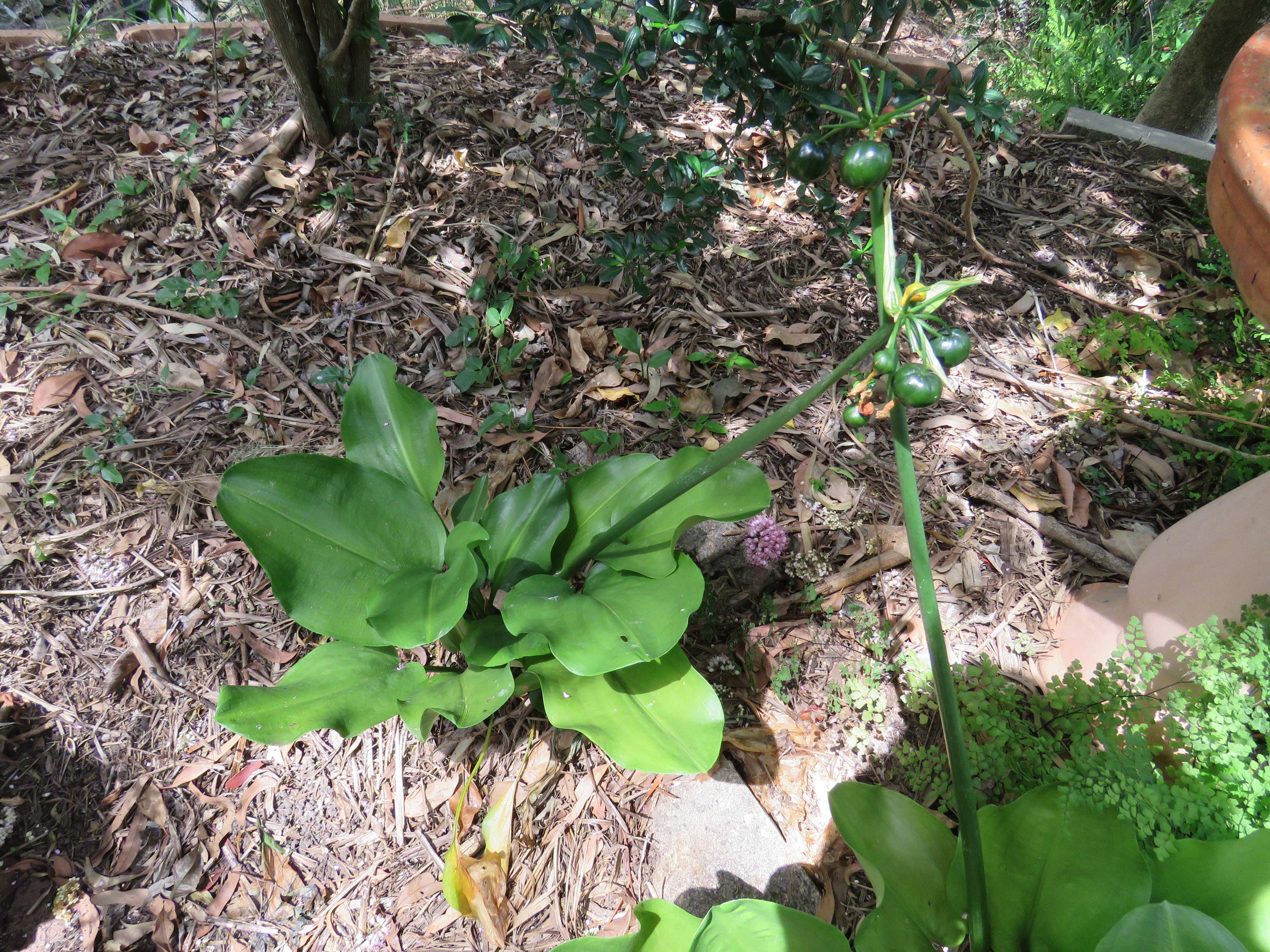
Red-fruited Palm-lily with its distinctive red fruit and its narrow format (4m height and 50cm spread) is a useful plant for narrow borders or difficult corners.
Rainbow Lorikeets Trichoglossus haematodus and Common Crow Euploea core butterflies visit to feed on nectar of the Pink-flowered Doughwood Melicope elleryana tree.
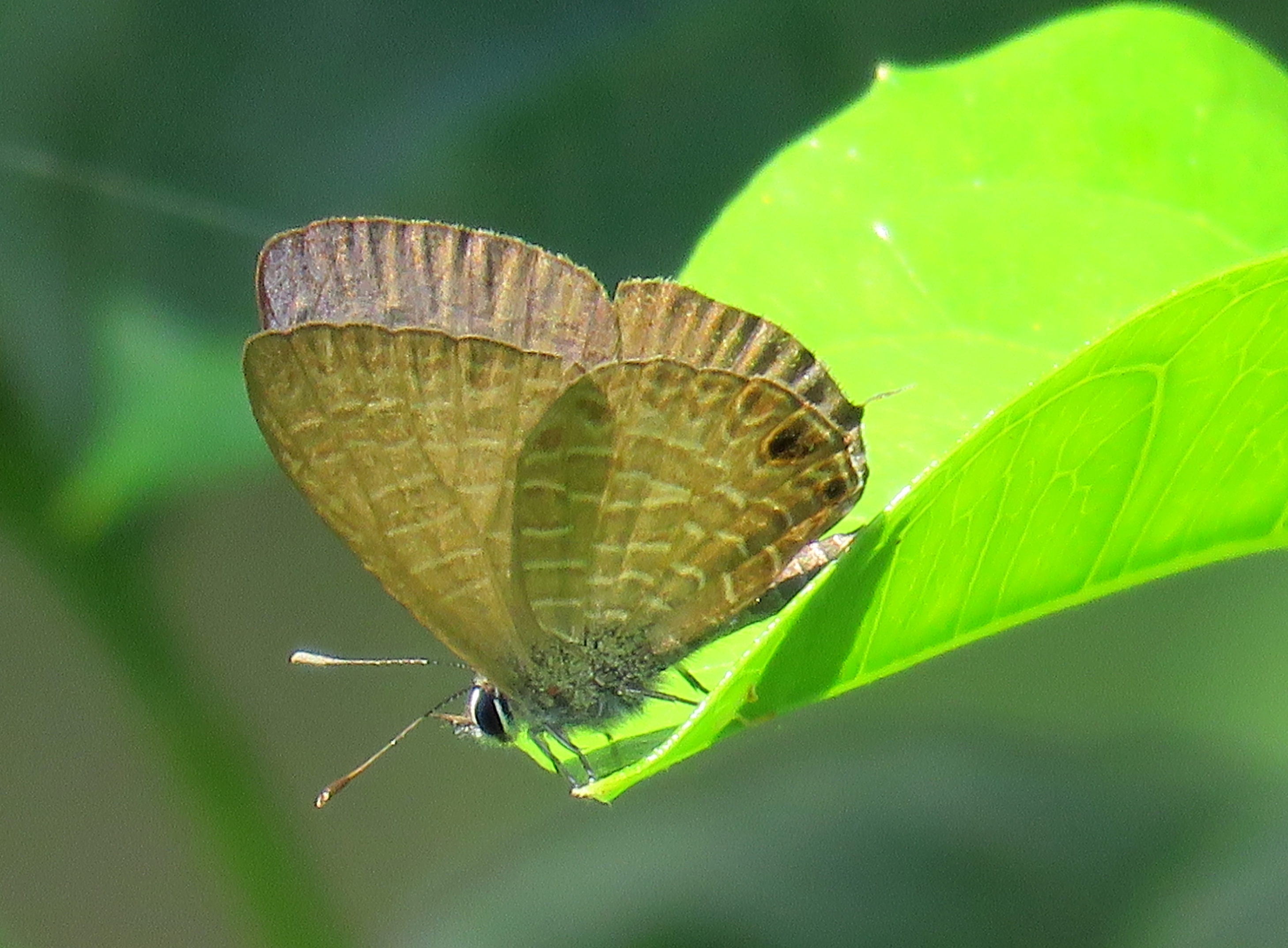
Other butterflies in the garden include Wattle Blue Theclinesthes miskini and Bordered Rustic Cupha prosope – caterpillar found.
Sightings have been uploaded to Bowerbird as part of our Pollinator Link research project. Bowerbird is a simple to use citizen science database that also feeds into the Atlas of Living Australia providing valuable information planning restoration of city Bushcare sites.
Creek Lily Crinum pedunculatum adds to the rainforest feel of Greg’s garden and it attractive white flowers are very popular with Stingless Native Bees Tetragonula sp.
Scented Daphne Phaleria clerodendron and Giant Spear Lily Doryanthes palmeri are other species that create the rainforest habitat.
The frog pond is home to Striped Marsh Frogs Limnodynastes peroni.
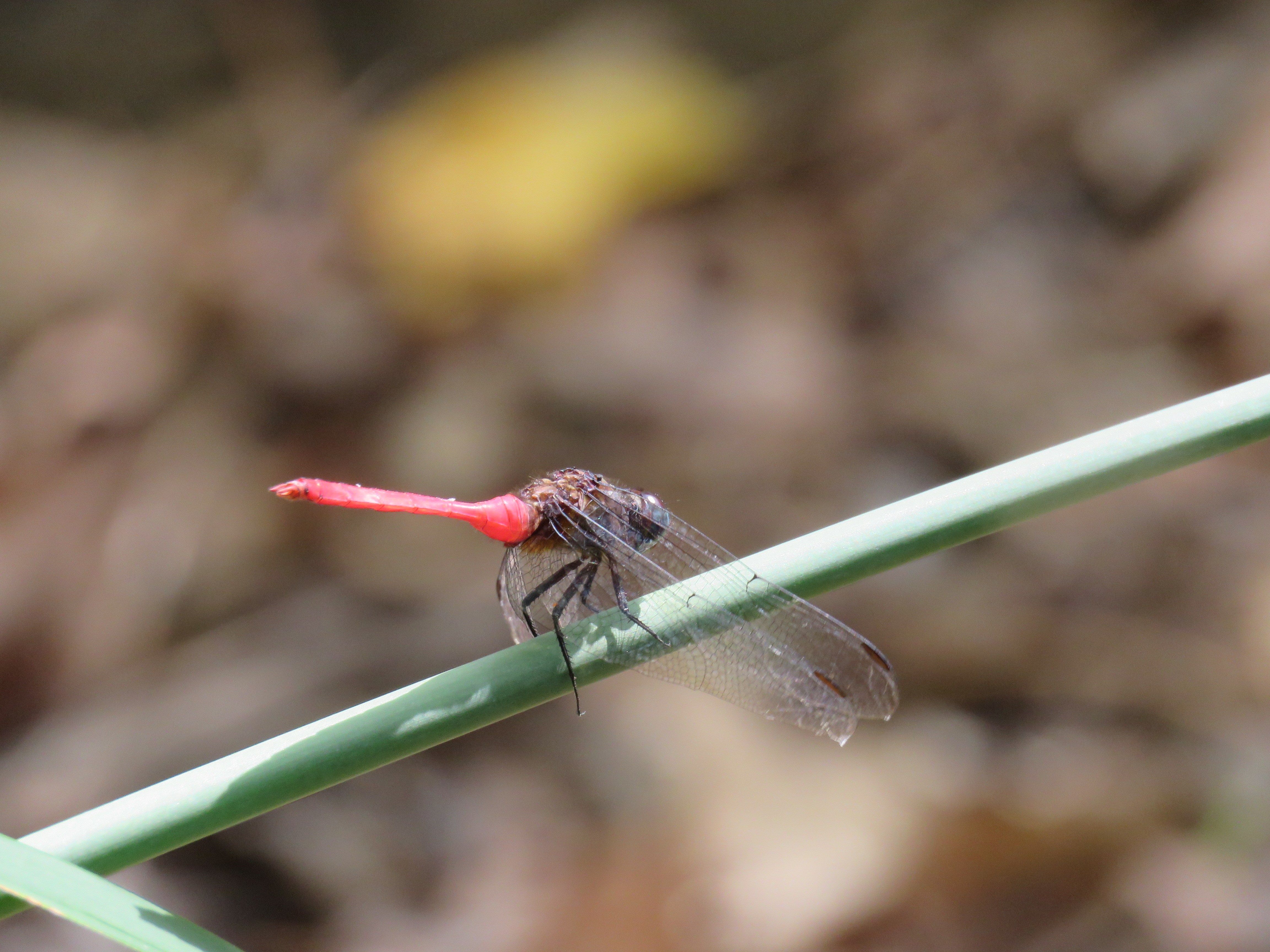
The frog pond also attracts fun species like the Fiery Skimmer Dragonfly Orthetrum villosovittatum.
The distinctive Brachychiton species like the Little Kurrajong Brachychiton bidwillii are an interesting addition to Brisbane gardens.
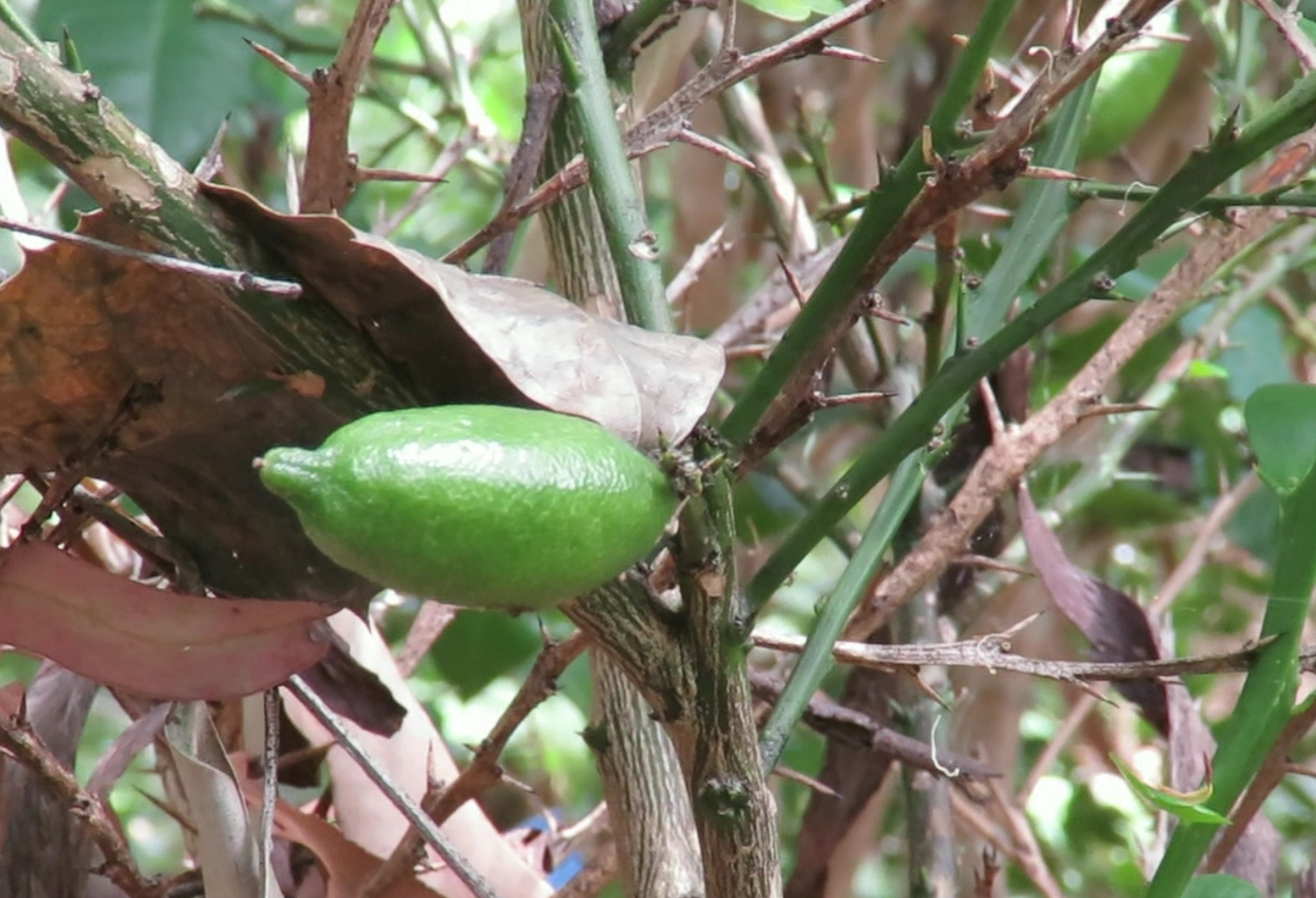
Finger Lime Citrus australasica are indigenous to south-east Queensland and food plant for Orchard Swallowtail Papilio aegeus and Dainty Swallowtail Papilio anactus butterflies.
Finger Limes are interesting additions to your bushfood garden planting. Unlike better known oranges and lemons the juice is packaged in small capsules that look a bit like caviar and explode in your mouth as you bite down.
By: Michael Fox
Allison’s garden is a great example of a habitat haven created for wildlife and people. A typical suburban two-dimensional grass and dirt garden converted to a thriving wildlife habitat in just fourteen months. All without losing the inviting grassed play area for the kids.
Stingless Native Bees Tetragonula sp. are tiny black insects smaller than house flies that collect nectar and pollen to store in their hive. These tiny bees are amazing pollinators of everything from citrus to Macadamia Nut trees Macadamia integrifolia.
Unfortunately they sometimes also obsessively collect seeds of the local weed tree: Cadaghi Corymbia torelliana, that clog the entry to their hive.
“If you build it, they will come.” Field of Dreams (movie)
In this case “Dale” the Brushtail Possum Trichosurus vulpecula has taken a tenancy. Visit Bunnings for a step by step guide to building your own Possum box.
Hoverflies are another but little known pollinator which also provide valuable pest control services in your garden. Hoverfly larvae are predators of many soft body insects such as aphids, scale insects, thrips and caterpillars.
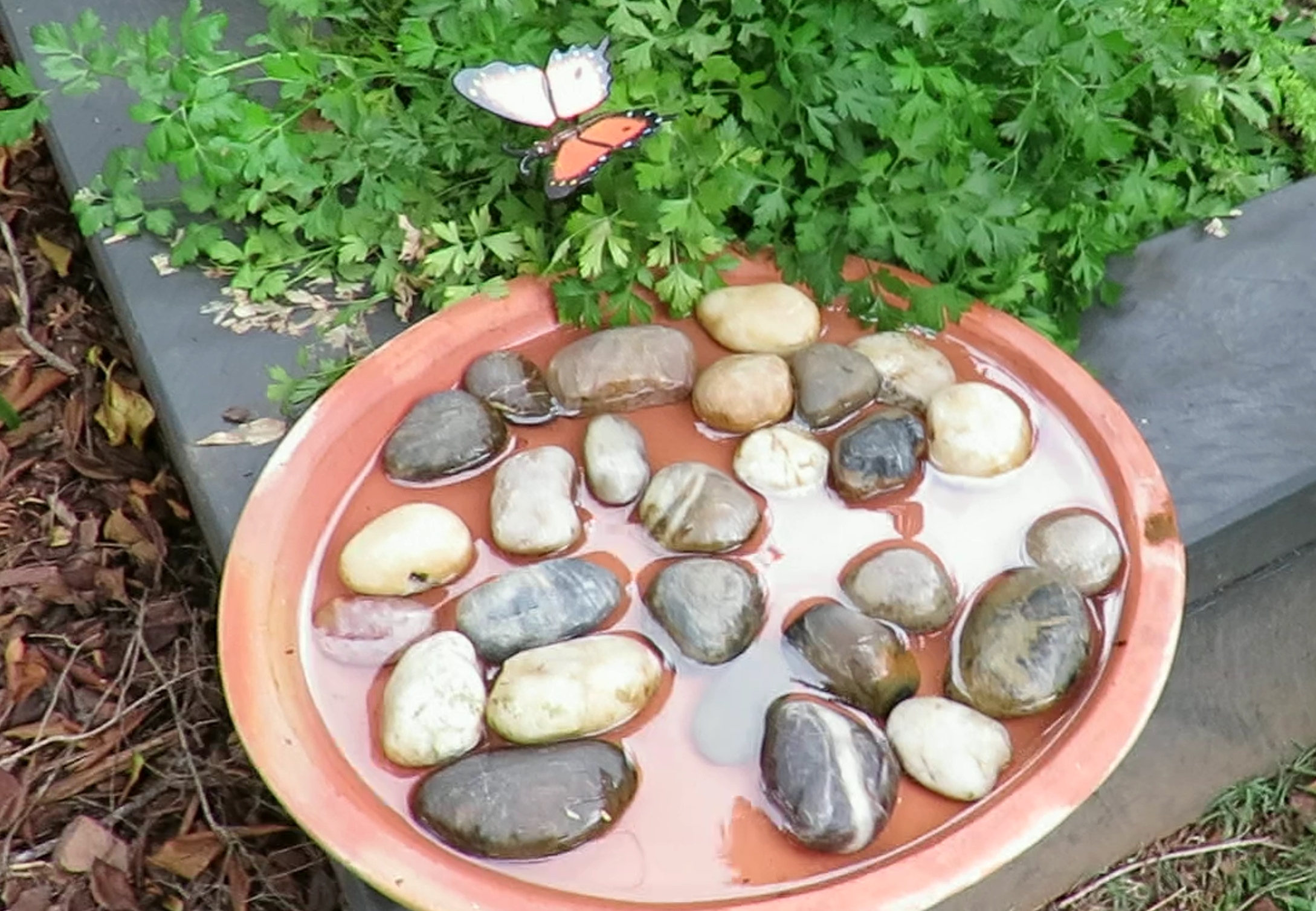
A Butterfly Puddling Place is a great way to provide water for wildlife. All animals need water, however, butterflies, bees and other insects, like hoverflies, need to be able to land and drink safely.
Male butterflies also collect minerals and salts that are transferred to the female during mating to help with egg development.
Native Sarsaparilla Hardenbergia violacea and Climbing Guinea Flower Hibbertia scandens are both tough spectacular natives that bees love and perform well as either ground cover scramblers or climbers.
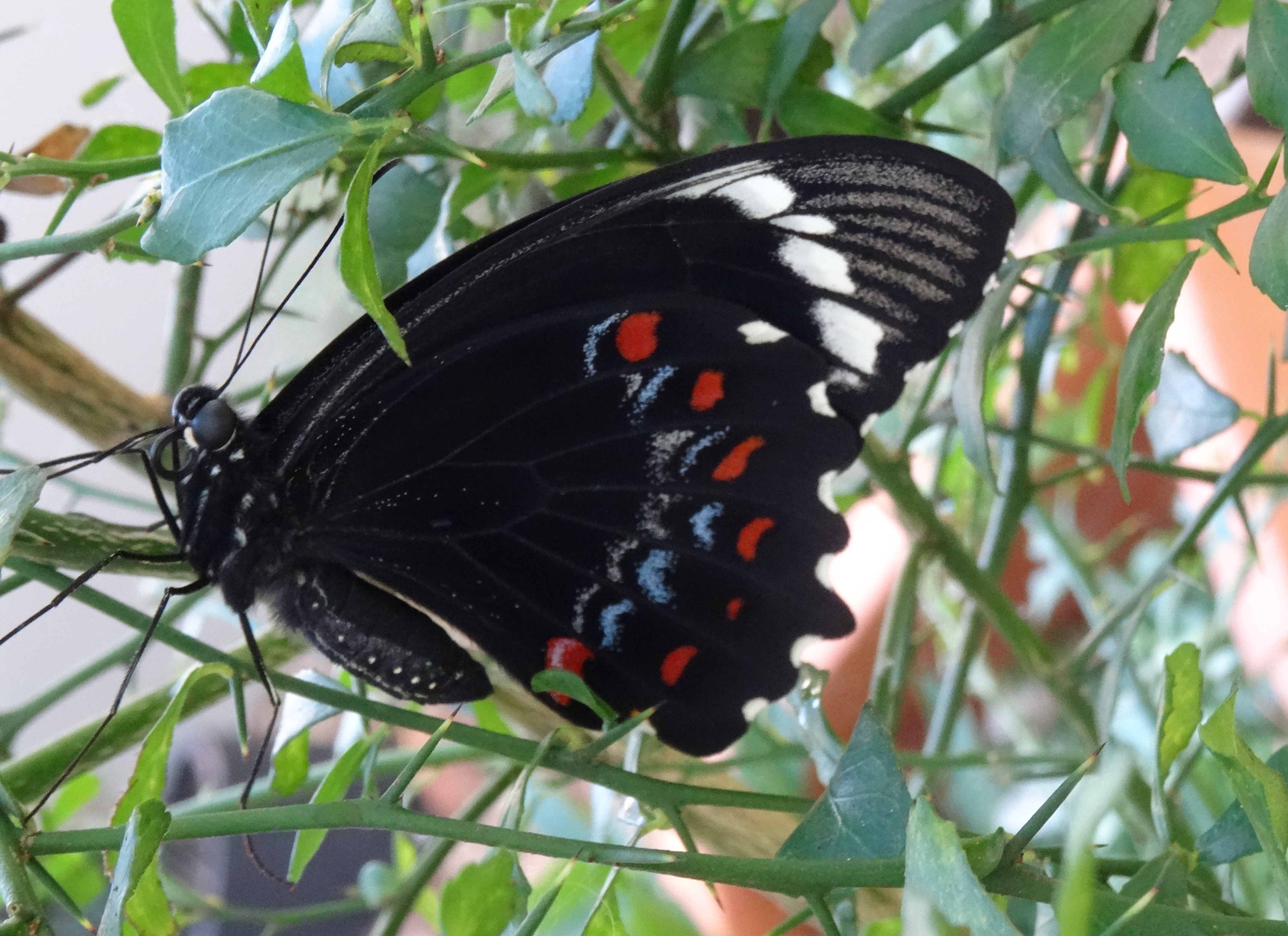
The traditional backyard citrus trees or south-east Queensland native Finger Limes Citrus australasica are popular caterpillar food for Orchard Swallowtail Papilio aegeus.
A Backyard Bee Home is a good way to provide shelter for native solitary bees and range of other insects. Attracting insects to the garden is a valuable way to provide food for insect eating birds like the Superb Fairy-wren Malurus cyaneus and bonus you get free “natural” pest controllers like Orange Caterpillar Parasite Wasp.
Allison also introduced me to Butterfly Houses something I had never heard of before. I am interested in following the progress with the Butterfly House as all the information I found online referred to winter in cold climates like the United Kingdom.
Frogs are serendipitous and welcome residents in Allison’s garden. An attractive frog pond replaced the out-of-control swimming pool and the Bleating Tree Frogs Litoria dentata use hollows in the pool fence for shelter.
Mozzie control is handled by Pacific Blue Eyes Pseudomugil signifer native fish found in coastal streams along the east coast of Australia.
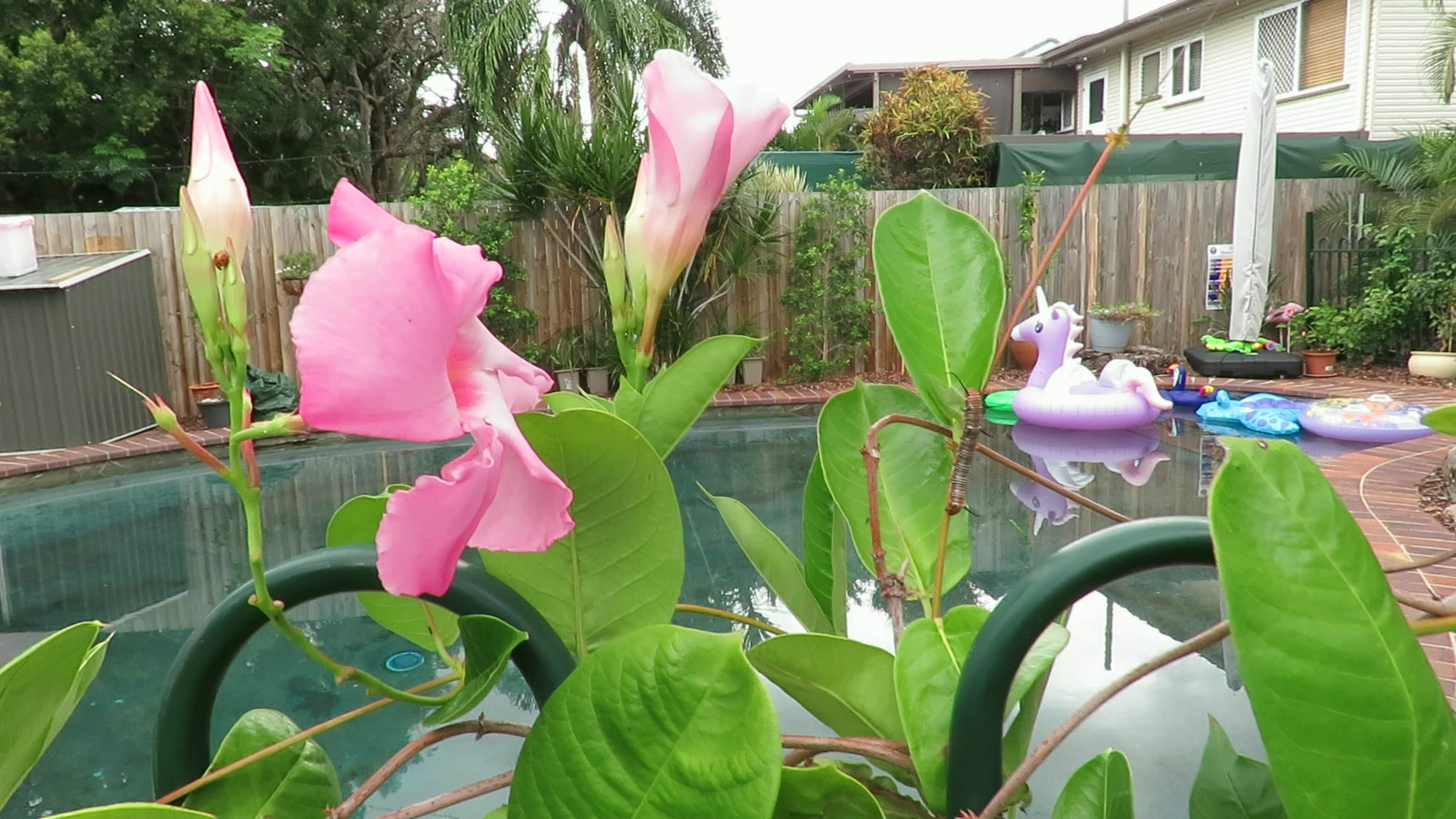
An exotic species Sun Parasol Giant Pink Mandevilla hybrid provides caterpillar food for Common Crow Euploea core butterflies.
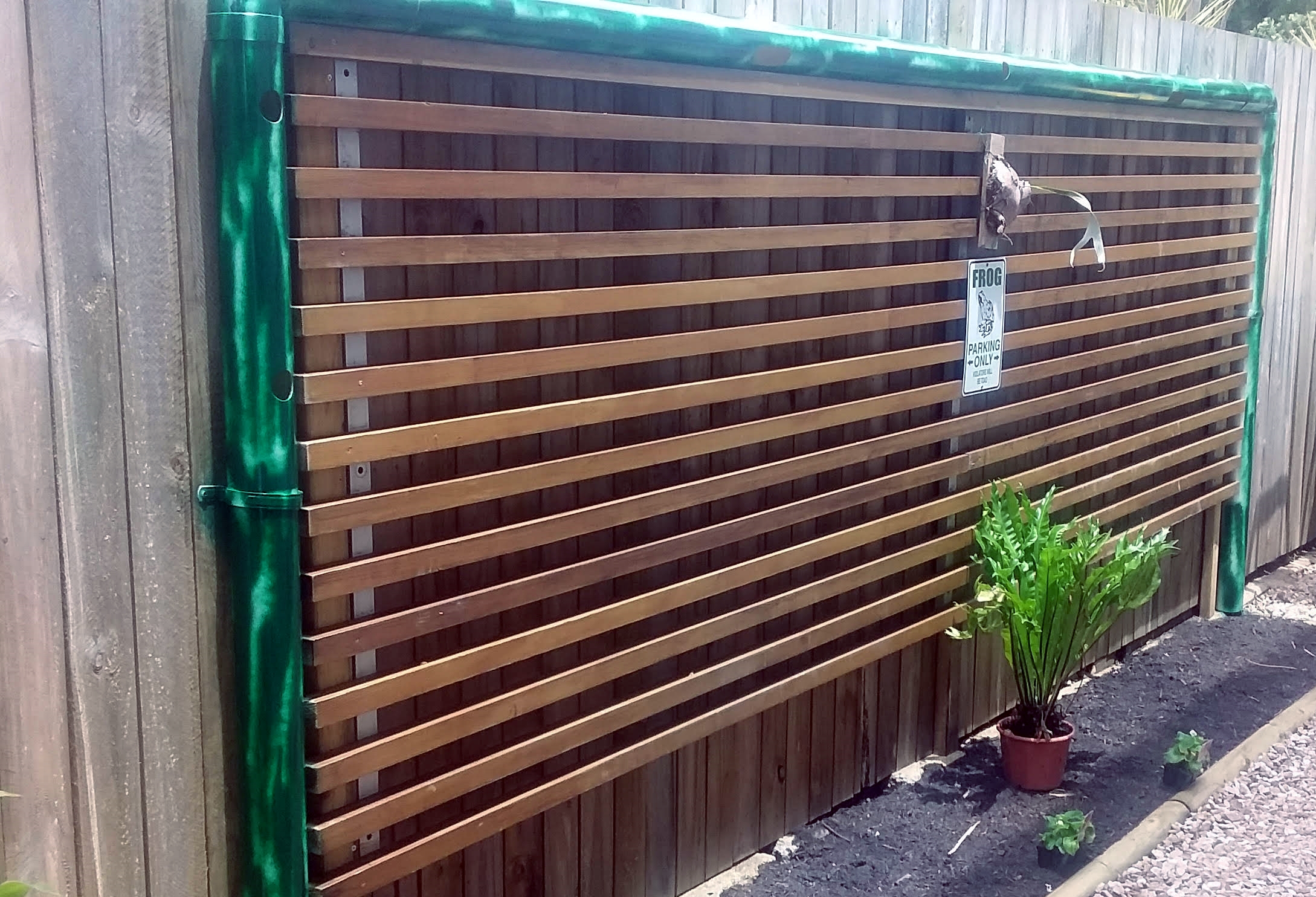
Green Tree Frogs Litoria caerulea are even having special accommodation provided as part of the new vertical garden.
Allison’s Pollinator Link garden is providing links for wildlife and building links with neighbours who value the bumper crops resulting from the pollination services provided by native bees.
Visiting the Pollinator Link garden of Bernadette and Len Crook is like an adventure in a botanic garden. Step through the front gate straight into an urban forest habitat supporting bird, butterflies and bees.
The balcony provided an ideal location for me to appreciate the plant diversity and the cool shade of the dappled garden. Like visiting a botanic garden, I also learned about a beautiful native tree very popular with Rainbow Lorikeets Trichoglossus haematodus, fruit eating birds, like the Australasian Figbird Sphecotheres vieilloti, and nectar hunting butterflies.
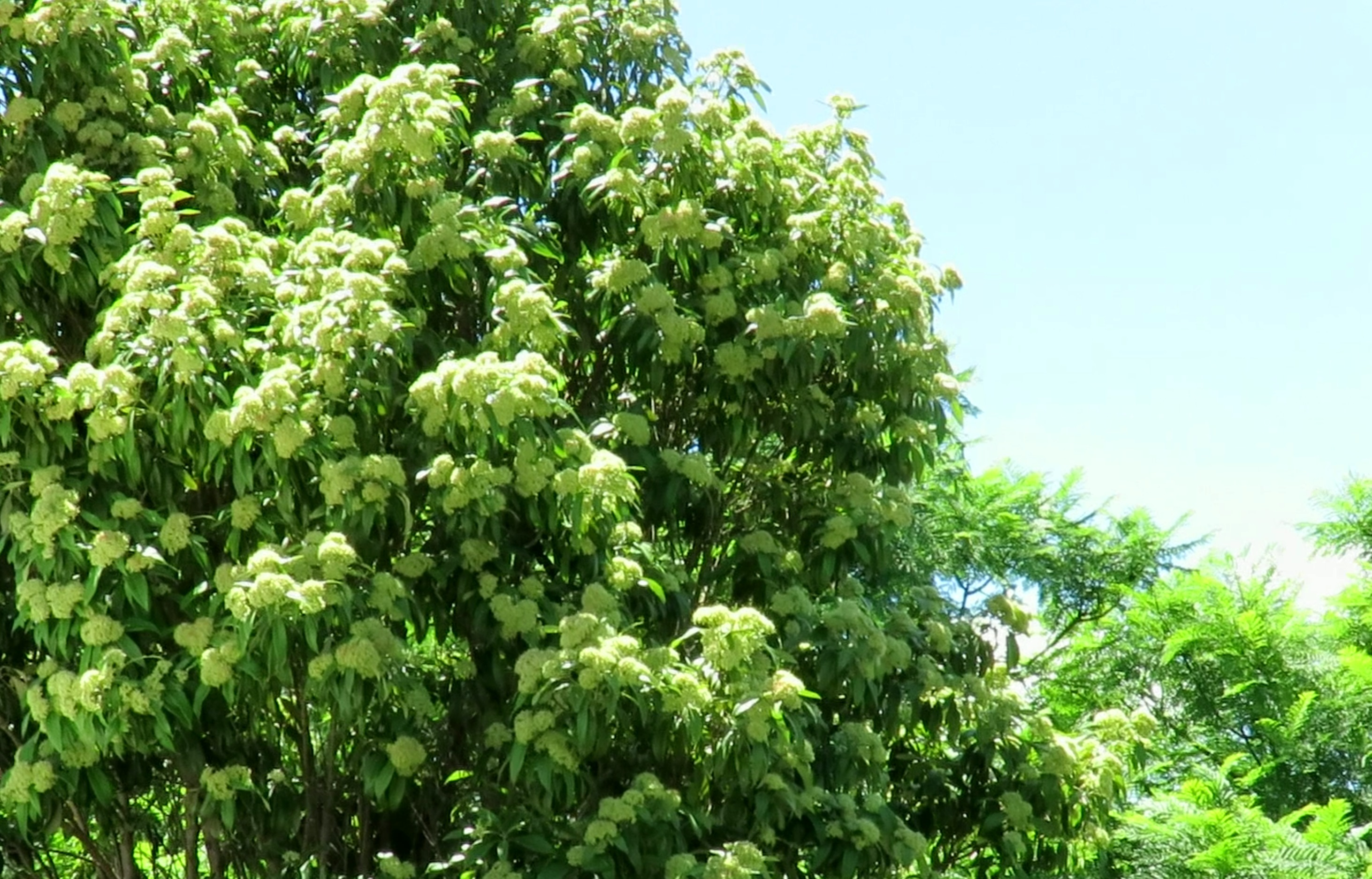
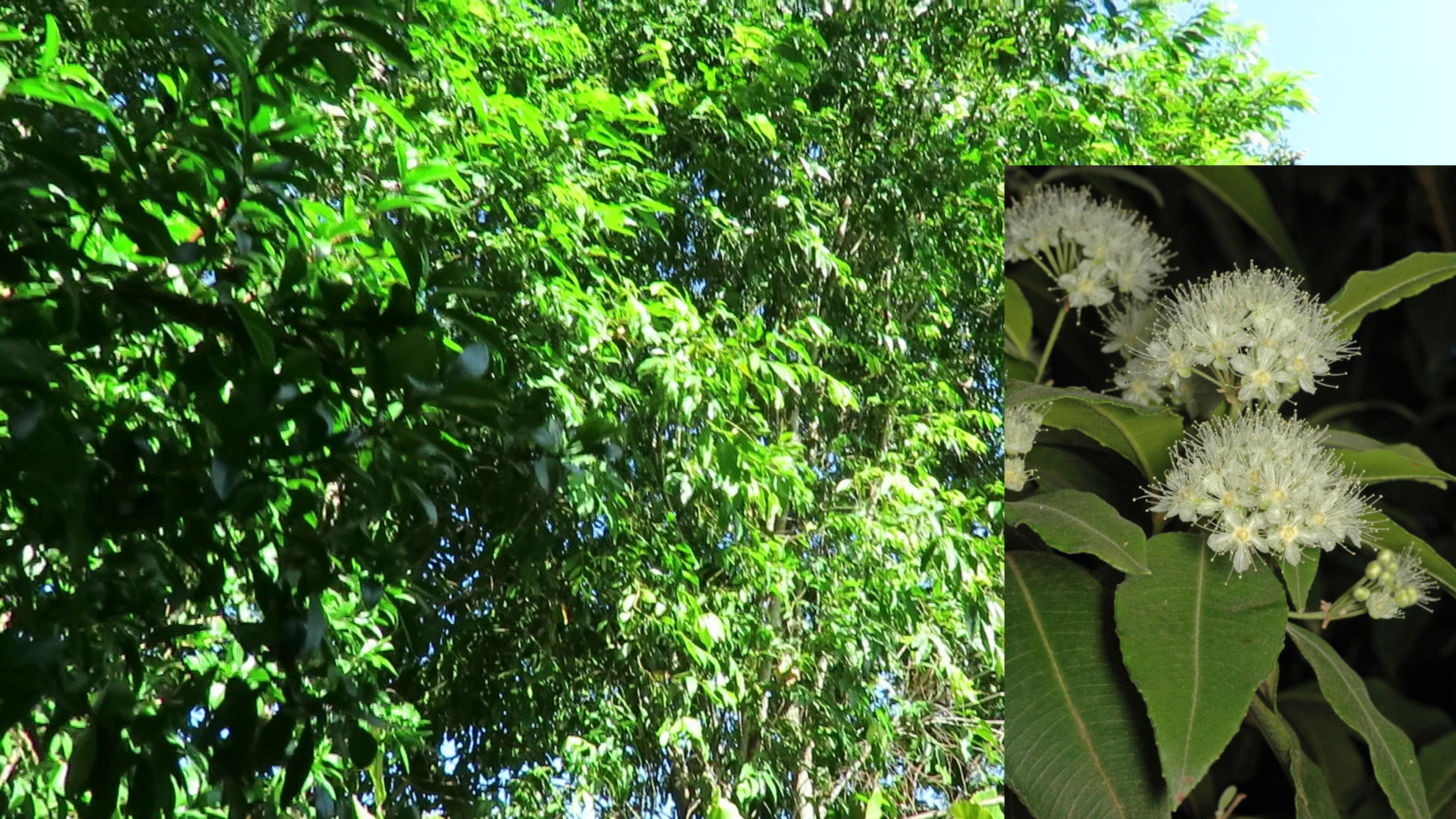
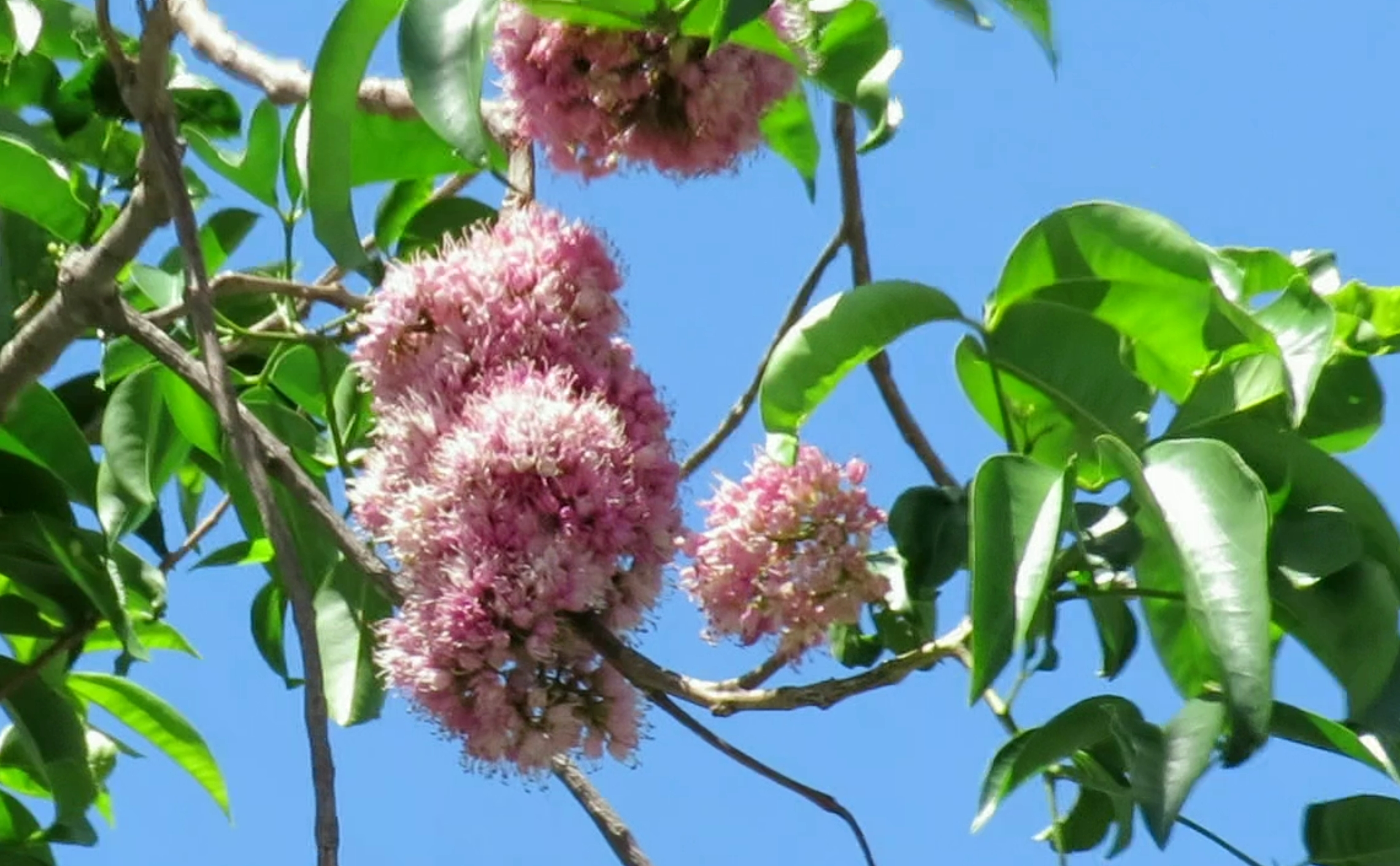
The Pink-flowered Doughwood Melicope elleryana is a rainforest tree found in coastal areas from North Queensland to northern NSW. A fast growing tree that loves full sun and moist conditions.
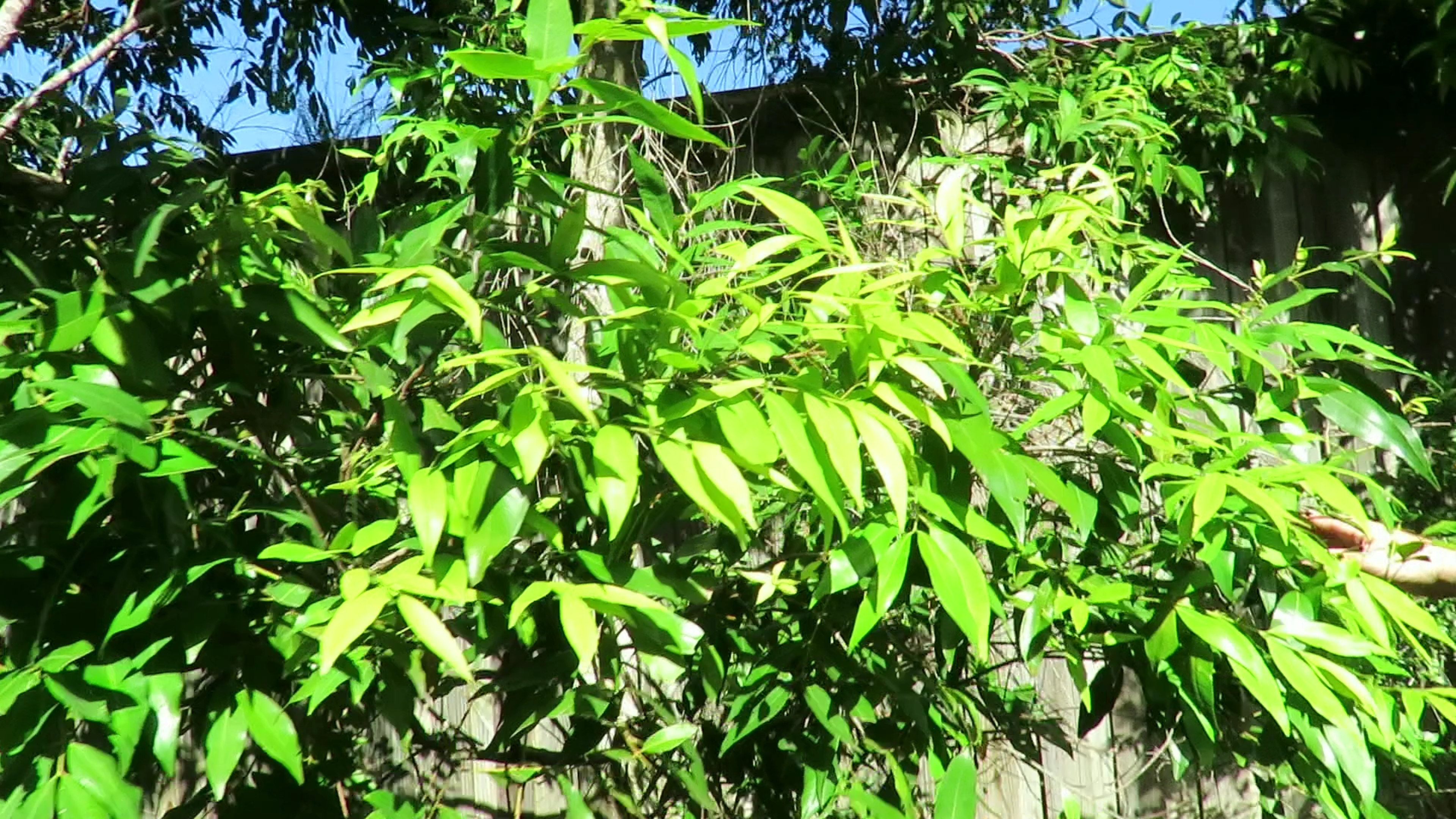
The Lemon-scented Myrtle Backhousia citriodora is a versatile Pollinator Link plant that can be grown in a pot on a balcony garden or used as a screen in the backyard. Lemon-scented Myrtle not only attracts birds, butterflies and bees, it is also a versatile bush food used in teas, cakes, biscuits, sauces, ice creams, and meat dishes.
Common Crow Euploea core caterpillars feed on a wide variety of native plants and, evidence suggests, at least one exotic, the red flowering Brazilian Jasmine Dipladenia sanderii
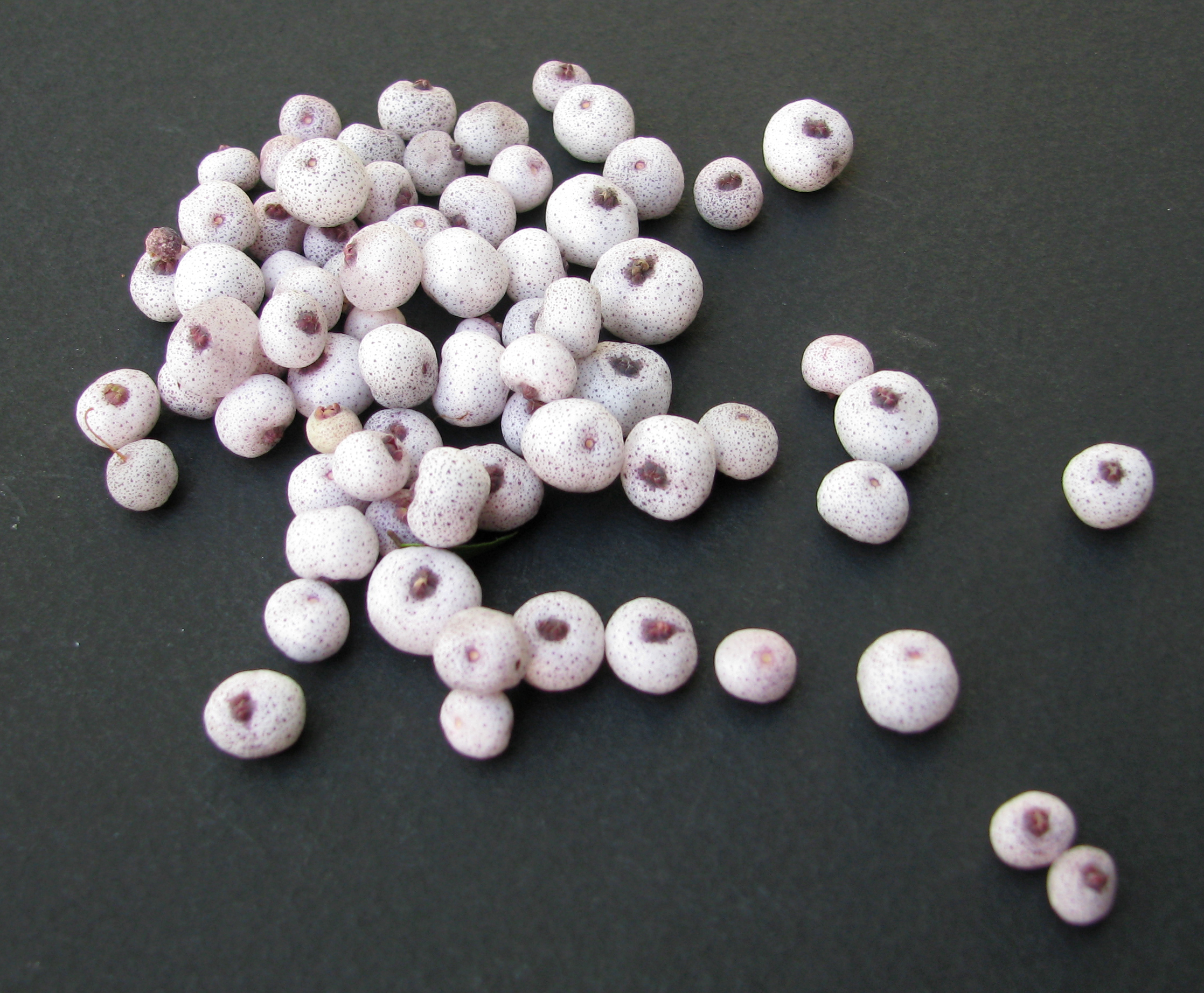
Midgen Berry Austromyrtus dulcis is a white flowering low growing (Height 0.5m Width 1.4m) shrub producing pretty tasty fruit bound to tempt young visitors to your garden.
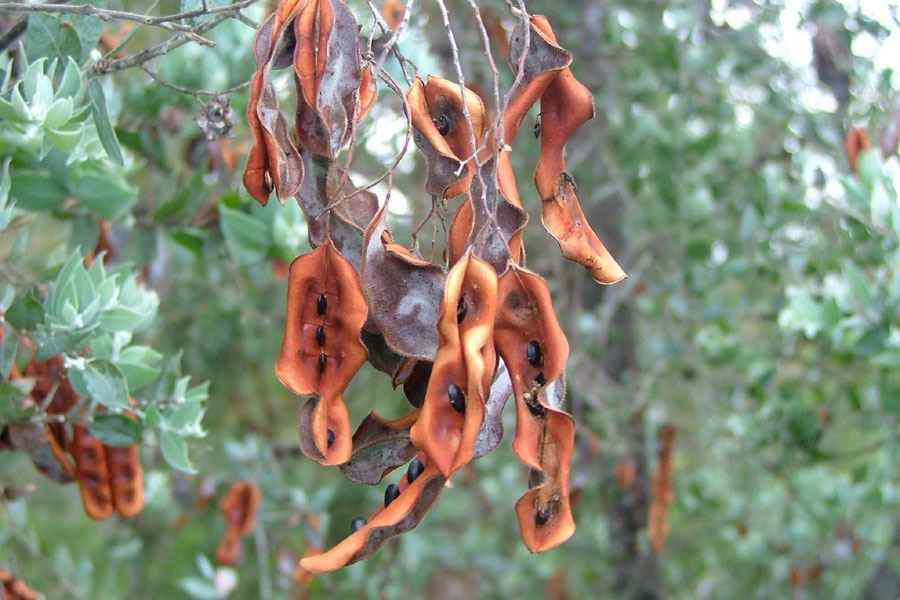
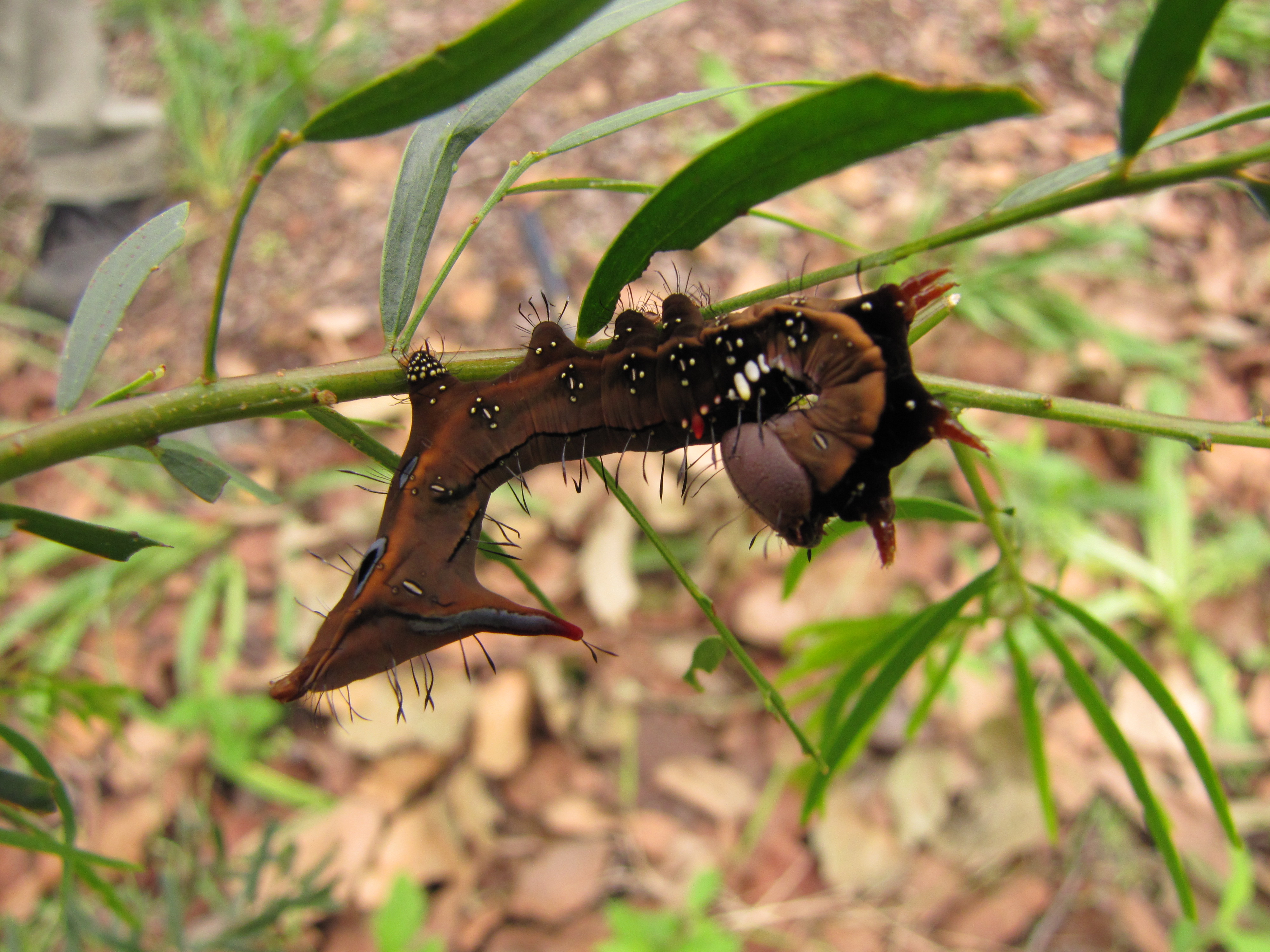
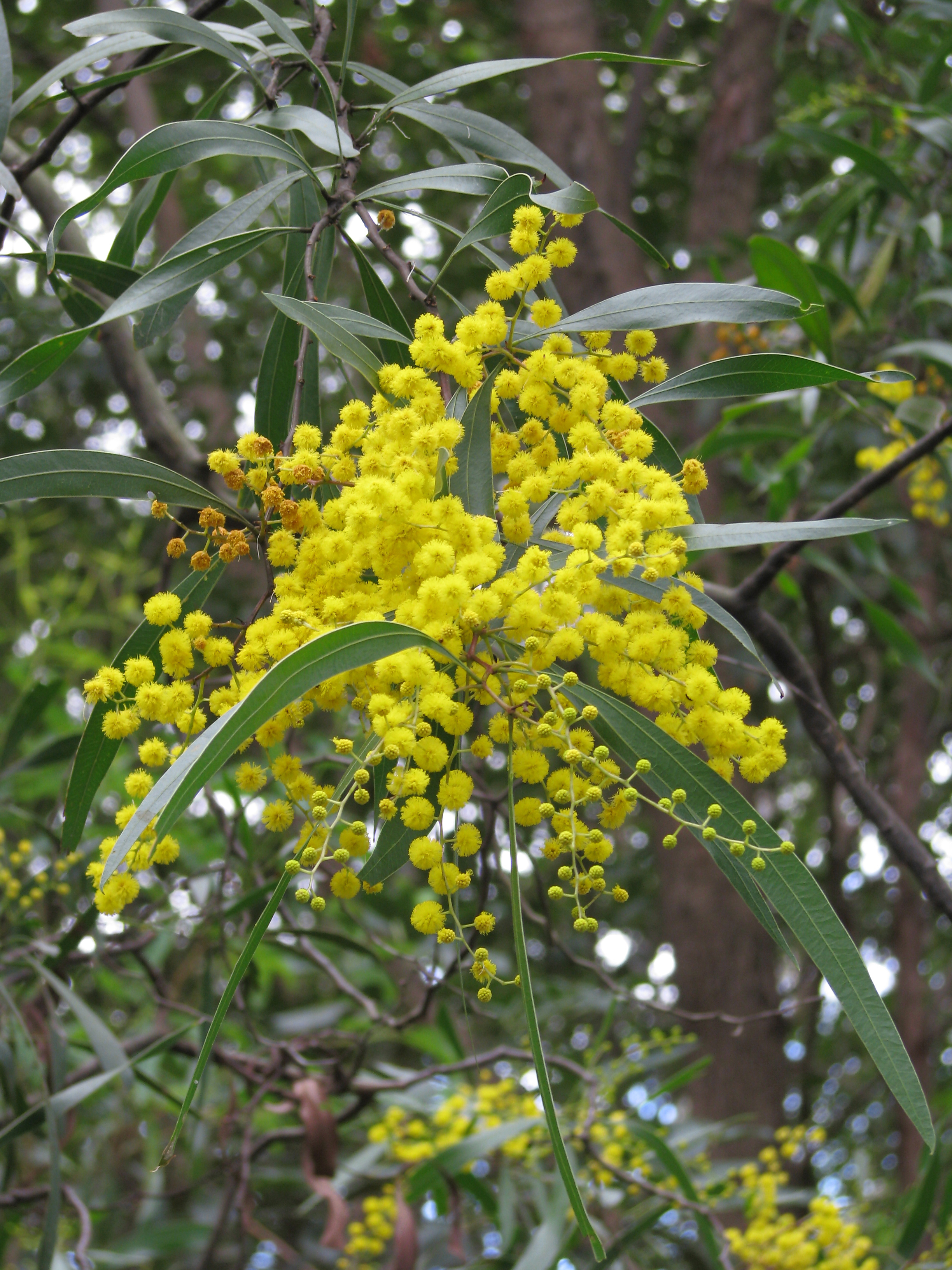
Silver Wattle Acacia podalyriifolia with its attractive silver grey foliage provides a year round backdrop complemented with regular displays of bright yellow flowers. Seeds provide food for seed eating birds and foliage caterpillar food for Granny’s Cloak Moth and the curious Wattle Notodontid Moth Neola semiaurata caterpillar.
Take a leaf out of Len’s book and make your own Backyard Bee Home as an attractive sculpture for your garden and Shelter for solitary native bees like Leaf Cutter and Resin Bees.
Australia has over 2,000 solitary bee species that hatch out in spring to pollinate our gardens. Blue-banded Bees are particularly valuable pollinators of tomatoes and other vegetables.
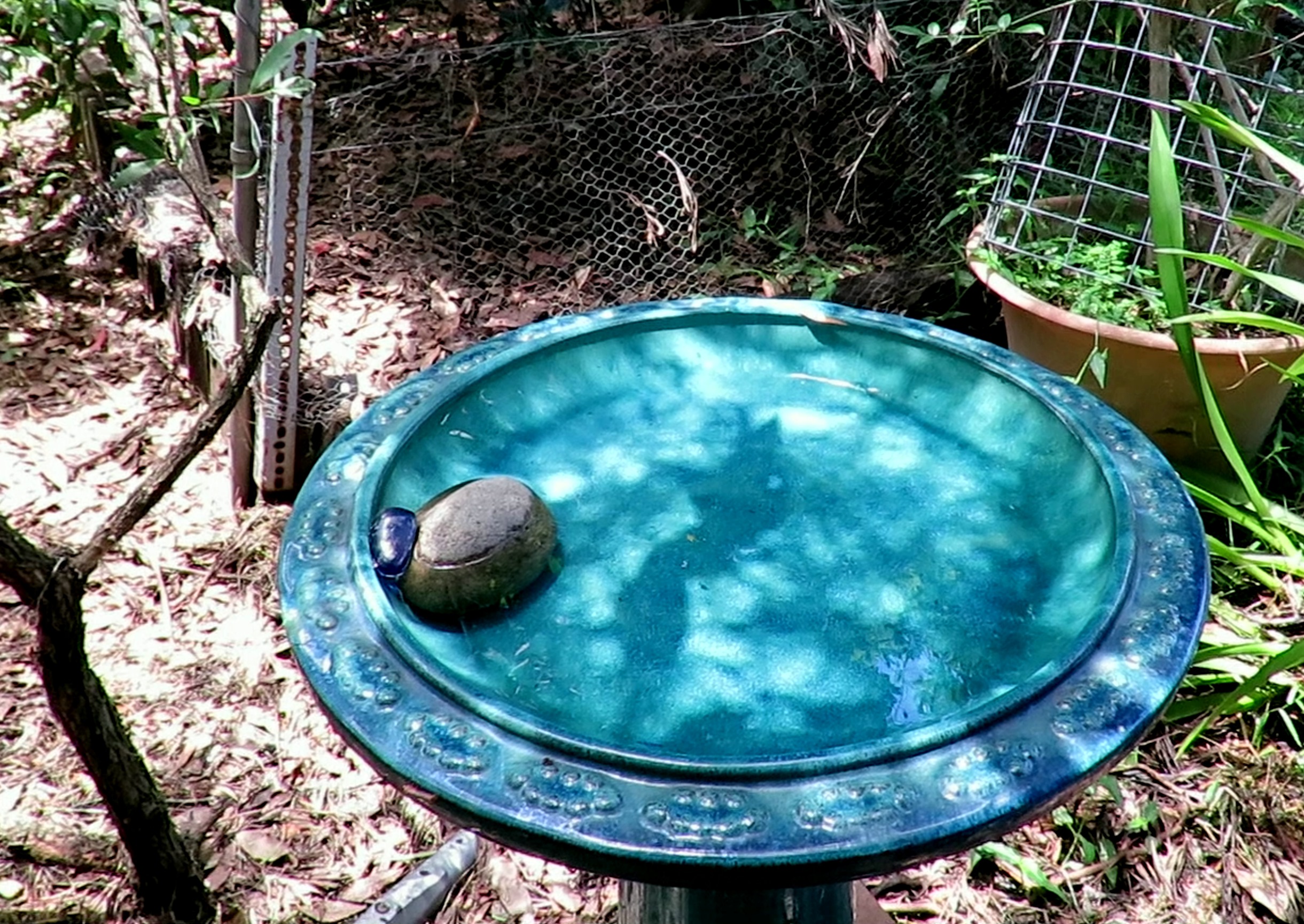
Some rocks or sticks in your birdbath will allow insects and lizards to escape if they fall in.
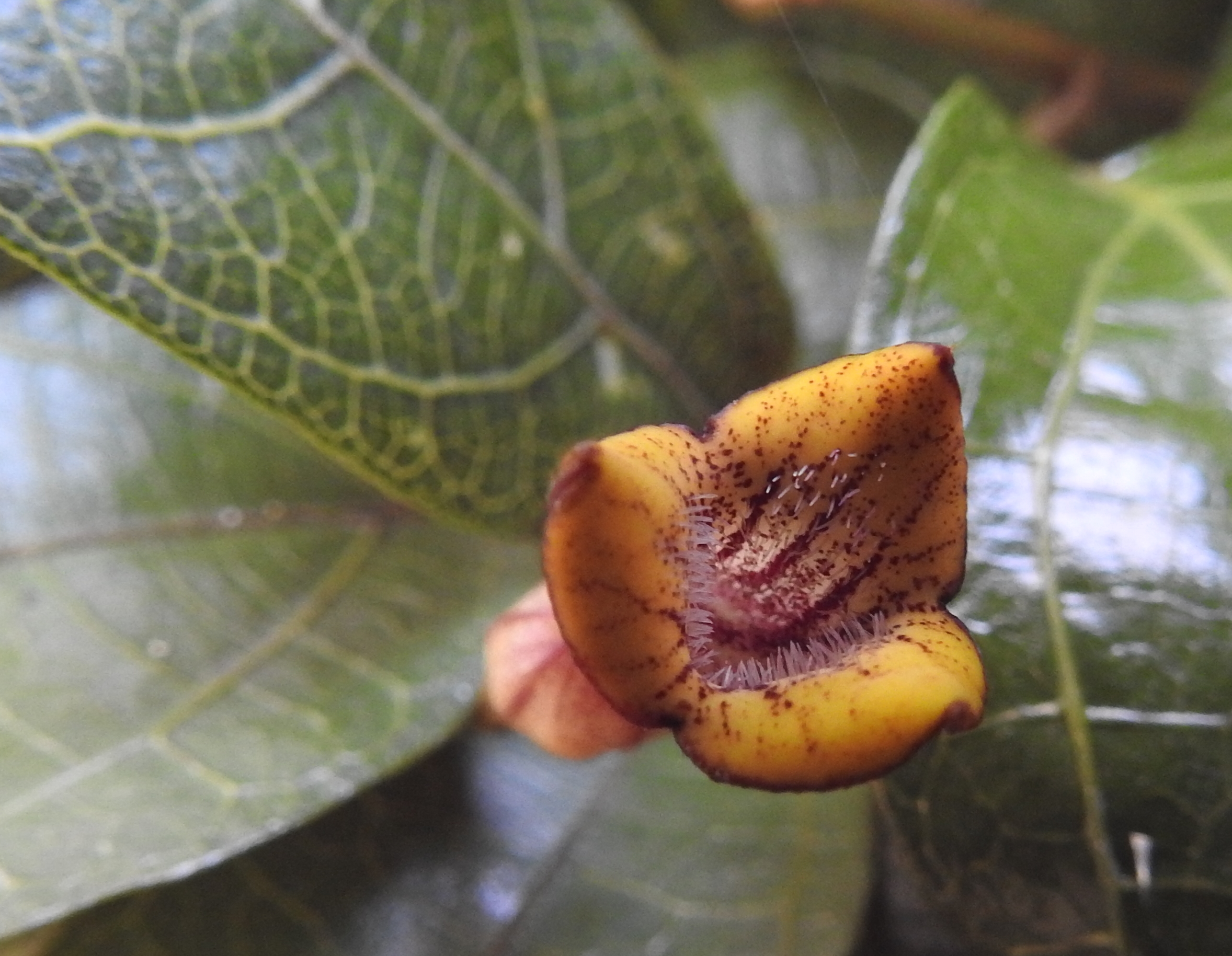
Planting Richmond Birdwing Butterfly Vines Pararistolochia praevenosa is a valuable contribution to conservation of this spectacular but vulnerable butterfly.
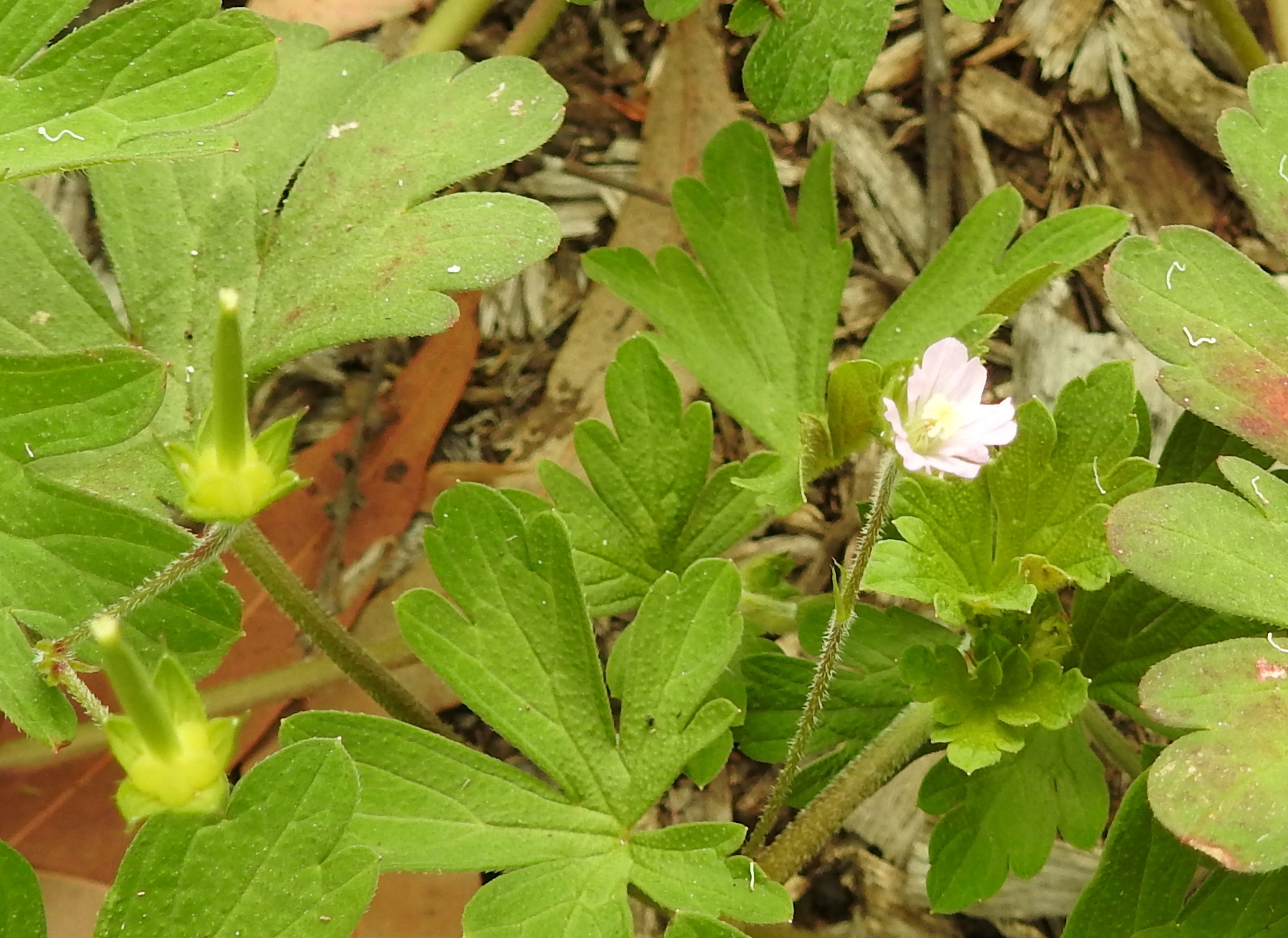
Native Geranium Geranium solanderi is a hardy native herb that is happy in dry conditions like a rockery.
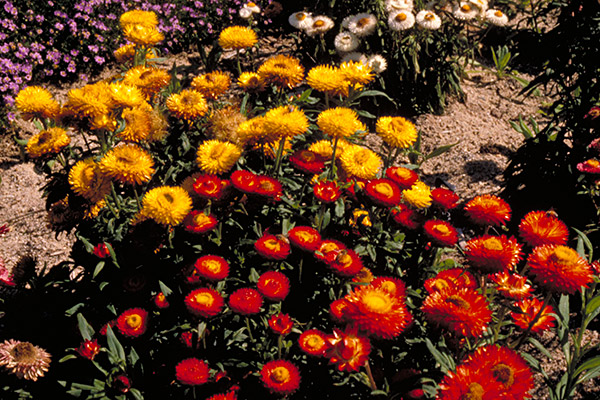
Golden Everlasting Daisy Xerochrysum bracteatum and the wide range of cultivars will add a splash of colour to your garden and provide caterpillar food for the Australian Painted Lady Vanessa kershawi butterfly.
The delicate Love Flower Pseuderanthemum variable is one of my favourite Pollinator Link plants providing Food for five butterfly species: Australian Leafwing, Blue Argus, Blue-banded Eggfly, Danaid Eggfly, Common or Varied Eggfly.
By: Michael Fox
I joined approximately one hundred other Brisbane community members of all ages yesterday, to discuss the future of our city. Hosted by Brisbane City Council the Forum is an interesting and genuine effort to understand how our community wants our city to develop for future generations.
Our discussions were informed by a number of presentations by experts in building truly great cities starting with Prof Greg Clark who joined us from London.
Prof Clark introduced us to Brisbane as a New World City attaining global reach. Now that is a powerful reason to be proud of our place in the world and optimistic for the future.
The current cycle of globalisation has seen the rise of many smaller, more specialised, but highly globally oriented, cities. This group of cities are neither ‘established’ nor ‘emerging’. They are smaller, high-income cities with efficient infrastructure, an attractive quality of life, and fewer social, environmental or economic externalities such as crime, pollution, congestion, high costs or inequality. Unlike ‘Emerging’ or ‘Established World Cities’, they are often not the primary city in their national or regional system of cities. (Globalisation and Competition: The New World of Cities 2015)
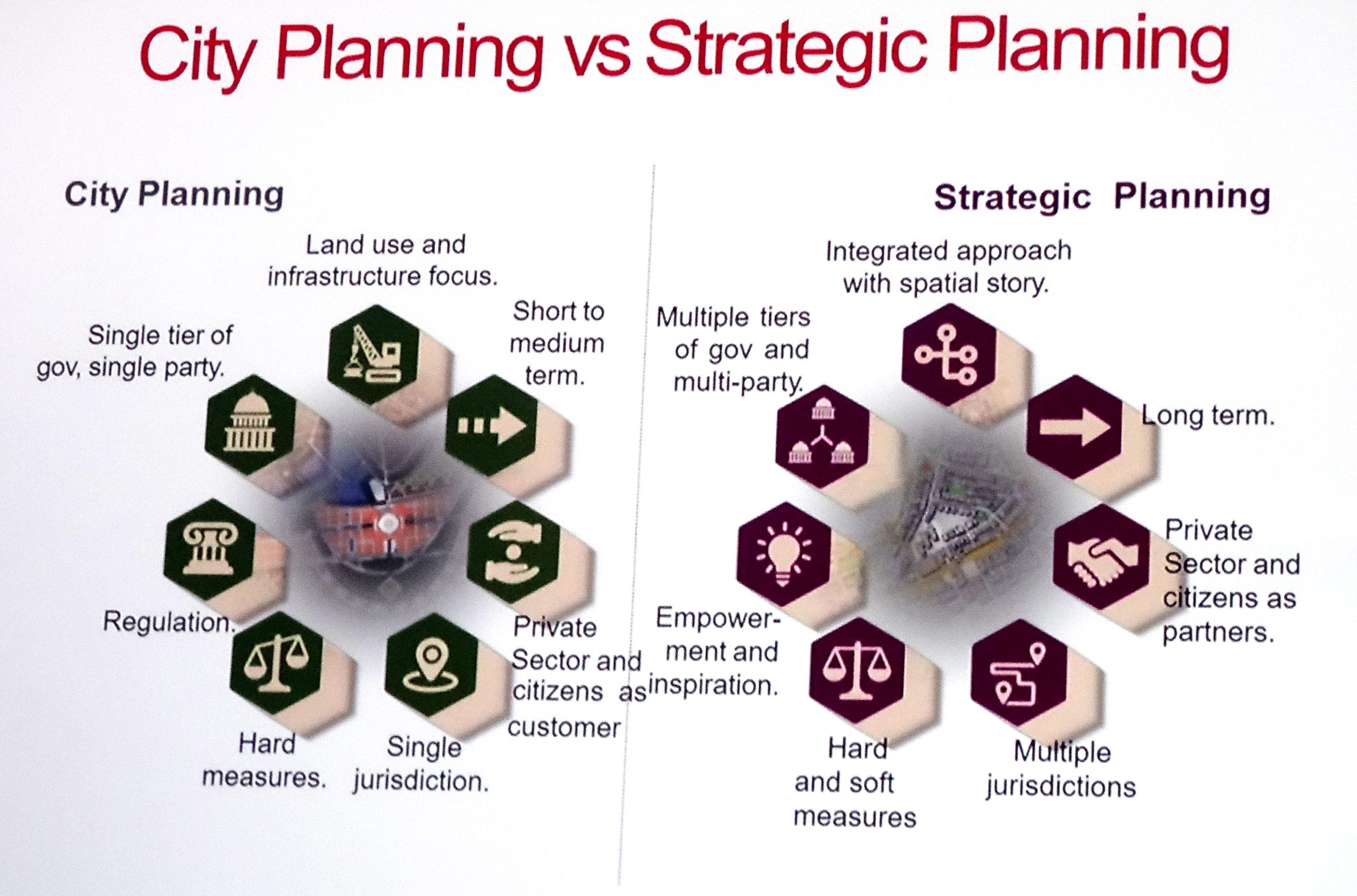
The New World Cities model paints a picture of great opportunities for our city. However, Prof Clark also highlighted the importance of utilising broad based Strategic Planning to develop those opportunities. This highlights the importance of working across multiple jurisdictions like Council working with State Government, not operating in isolated silos. An issue raised by at least on participant at the Forum. 
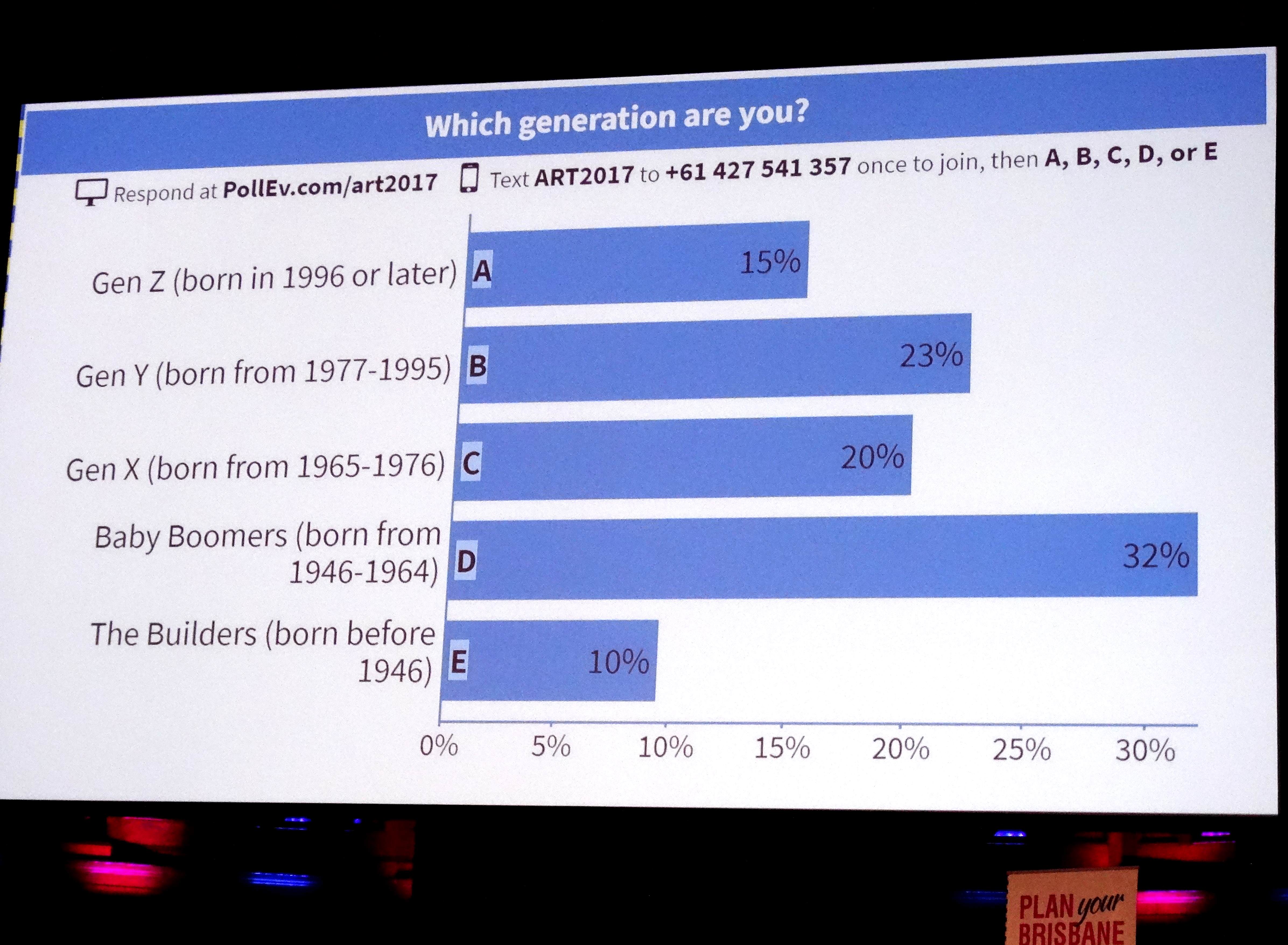
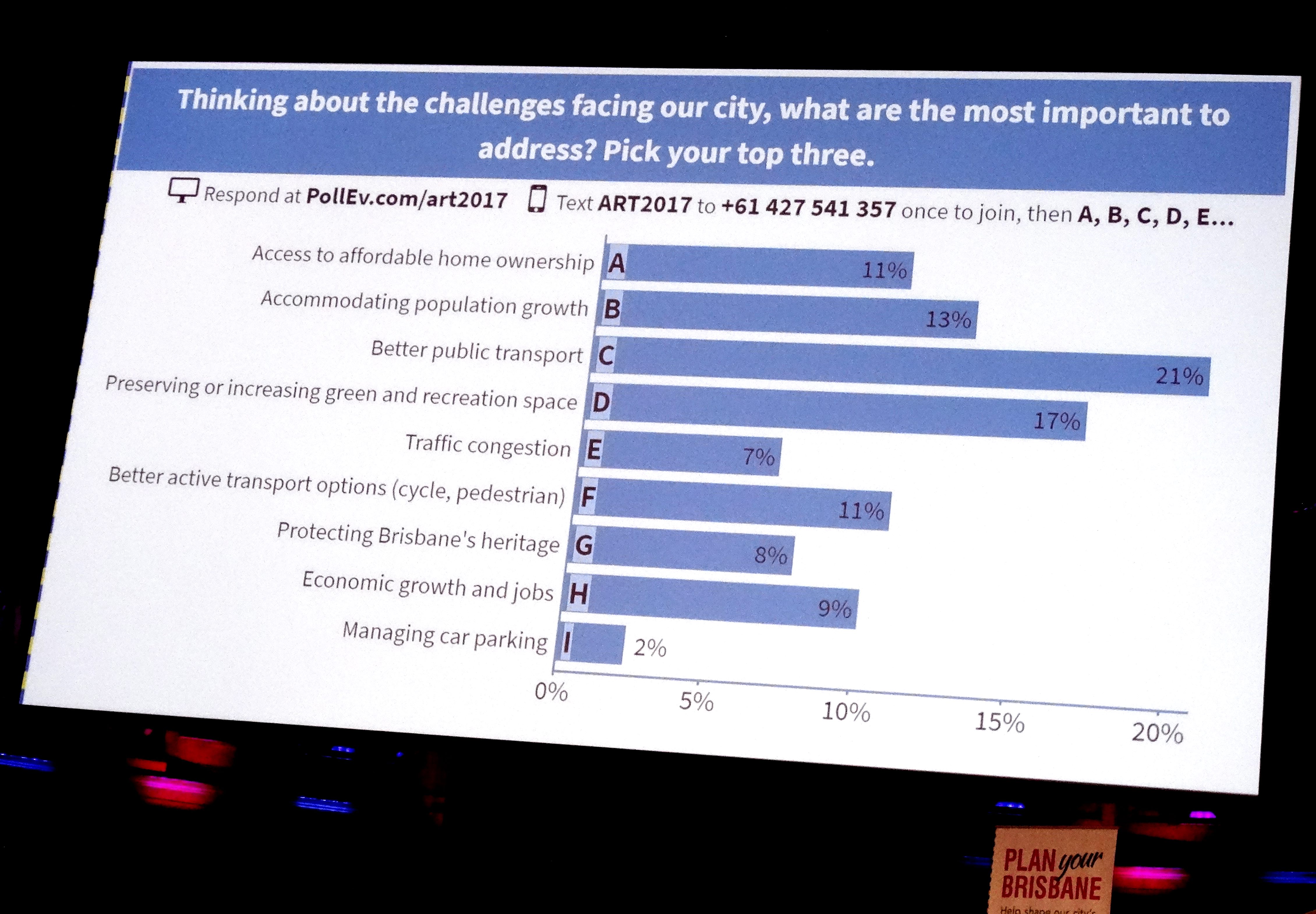
The priorities identified by participants aligned closely with the success factors for New World Cities. for example, attractive quality of life, low pollution, congestion and inequality.
I was pleased to see that protecting and developing greenspace was consistently given high priority by Forum participants.
‘City Doctor’ Dr Katherine Loflin, with her social work background, introduced us to the Power of Place. Dr Loflin’s presentation explored the Soul of Community research project:
For Dr Loflin, a key factor in growing great cities is optimism.
Community Problem-Solving, often complicated by emotional low-trust responses, is an excellent example of how the Power of Place can support an optimistic outlook. If you love the place you live, you will be motivated to actively break through resistance to find solutions. The model suggests that planning with a focus on Place creates a community with stronger economy and quality of life.
James Tuma, National Director of Design at Urbis, showed how the concept of Place can be applied to our subtropical River City and how it links to our shared values. His focus on design quality based on shared dialogue highlights the importance of Prof Clark’s broad based Strategic Planning.
Let’s do it! Kirsty Kelly, Kirsty Kelly Consulting leads the last activity for the day: challenging our groups to think big and present a project that will shape the future of our city.
I represented our group and challenged our audience: “Create a city-wide mosaic wildlife habitat from bayside to Bardon and beyond. Bring the Australian bush back to our backyards.”
By: Michael Fox
Blue Triangle Graphium sarpedon butterfly Puddling in neighbour’s sandpit.
Butterflies, like all animals, need water. At breeding time, male Blue Triangle butterflies and other swallowtail butterflies will be looking for mineral laden water.
Blue Triangle butterfly caterpillars feed on a range of native tree species including Murrogun Laurel Cryptocarya microneura. Murrogun Laurel is also caterpillar food for Bronze Flat Netrocoryne repanda repanda and Common Red-eye or Eastern Dusk-flat Chaetocneme beata butterflies, as well as, fruit eating birds like native pidgeons.
By: Michael Fox
The Pollinator Link® display was very popular at the Cubberla-Witton Catchments Network Pollinator Festival with a regular stream of visitors wanting to learn about gardens for birds, butterflies and bees, and claim a free pollinator plant donated by SOWN.
I also answered lots of questions for kids completing their pollinator quiz sheets or challenged them to see what was in the nest box. Parents asked if the glider in the box was alive but the sharp eyed kids just said “That’s a toy!”
Activities for kids were a big part of the Festival. My favourate was building decorative Backyard Bee Homes.
“Who says Australian native flowers are boring?”
Certainly not the Native Plants Queensland team who showed the real beauty our local flowers with their display.
Grow some spectacular native flowers in your garden. Visit the Paten Park Native Nursery at The Gap for advice and low cost plants.
One young visitor proudly showed me his huge pet Giant Panda Snail Hedleyella falconeri.