THE INGENUITY OF THE BEE DANCE

By Sandra Tuszynska

Bees have different roles in the hive and one of those roles is that of a scout. Scouts search for new sources of food. Once a scout bee locates a source of food that is economically and nutritionally suitable to her colony’s requirements, she comes back to the hive with the good news. She must now let her sisters know that she has found the best food source that there is on offer. However, how does the scout bee inform her sisters of the exact location of this newly found food source and convince them that they should go and check it out?

Bees have an ingenuous communication system which is expressed through an intricately choreographed dance routine. In 1973 Karl von Frisch, received the Nobel Prize for interpreting this highly sophisticated, navigational dance-language of bees. The “waggle dance” otherwise known as the recruitment dance, is an immaculately precise communication system involving movement, geometry, sound and smell. The dancer is nothing less than a mathematical genius that can portray the distance, direction and other essential information about the food source, through her superb choreography.
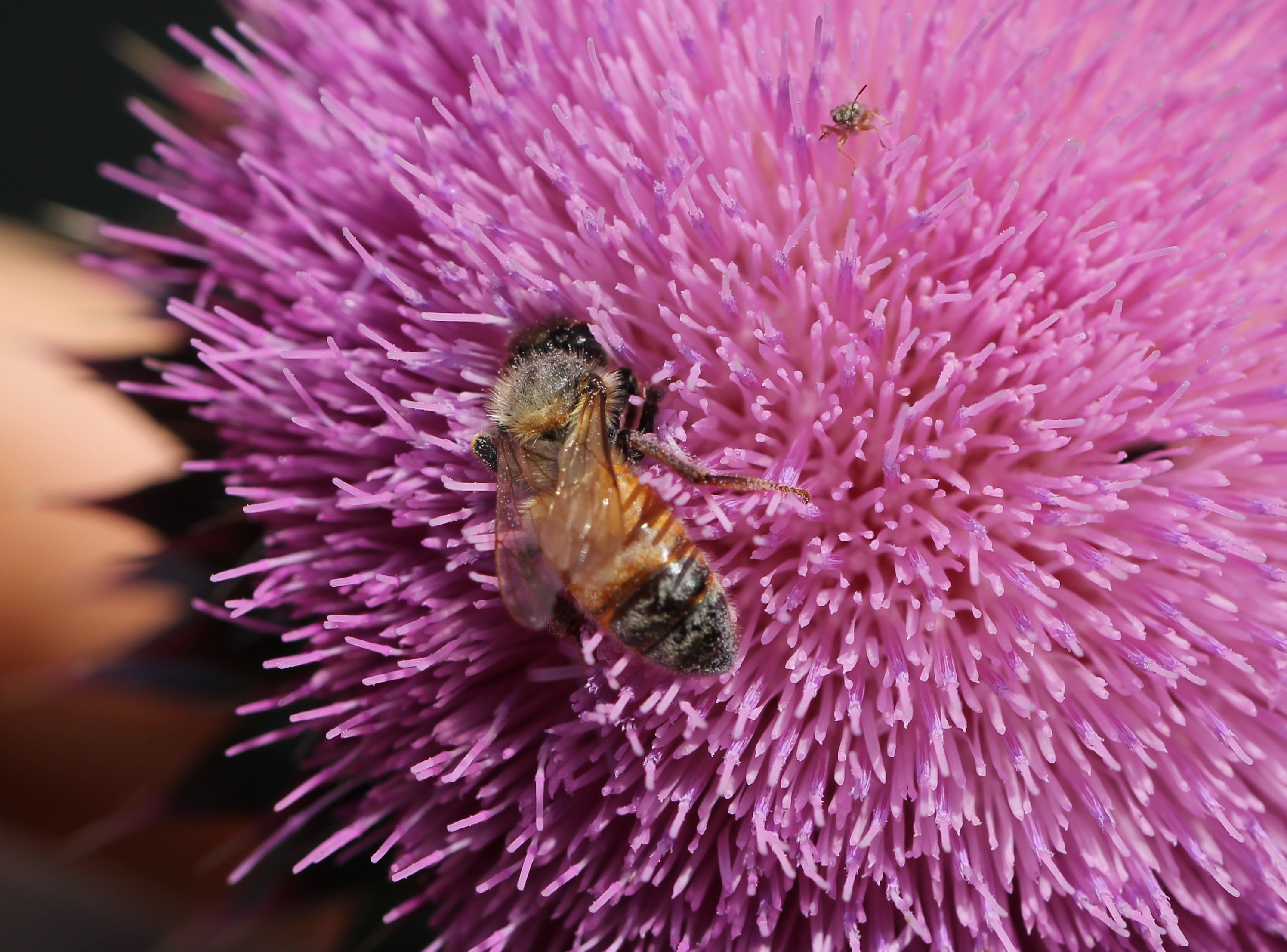
Honey Bee

THE GEOMETRY OF THE WAGGLE DANCE

There are in fact at least three types of dances that bees engage depending on the distance of the food source from the hive. If the location is within 50 metres, the domestic honeybee, Apis mellifera, performs “the round” dance (Tarpy, NCSU). The round dance explains the distance but it is still unclear whether it explains the direction of the food source Dyer, 2002). If the food source is within 50-150 metres, the bee dances the sickle dance, which is a transitional dance between the round and the waggle dances (Tarpy, NCSU). However, if the food source is further than 150 metres from the hive, the bee performs the “waggle dance” (ApisUK, 1014). There are other types of dances used for communication of information not related to sourcing food, but activities such as migration and swarming.

The waggle or recruitment dance is a form of communication system that requires highly sophisticated spacial-information processing. The scout bee must first measure the distance from the hive to the food source and its direction in relation to the sun (Dyer, 2002). If the sun and the food source are in the same direction, the bee dances directly upwards on the honey comb dance floor of its hive, in a vertical straight line called the “waggle run”. If the food source is at a particular angle away from the sun, the bee will dance at that particular angle from the vertical line to demonstrate the angle of the food source in relation to the sun (ApisUK, 2014).

IMG_2416_Bee-on-cobblers-peg

Bees use the solar compass or gravity for spacial orientation. If the sun happens to be behind a cloud, bees use a patch of a blue sky and the polarised light that it reflects as a directional cue. But what happens on a cloudy day? It turns out that bees recognise land marks and can create a path to food by reference to land marks, and even learn and memorise the position of the sun relative to land marks (Dyer, 2002). Bees can work out the sun’s position from the direction of a land mark based on their circadian rhythm, in order to get to a food source on a cloudy day.

Bees actually learn the pattern of solar movement relative to the season and latitude at which they live, within a few days of becoming foragers (Dyer, 2002). Even though young bees have not been able to observe a full day’s sun movement, these incredible creatures possess an inbuilt template of the general patterns in which the sun moves (Dyer, 2002). All bees are born knowing the directions of the sun rise, sun set and how it crosses over during midday. This template is continually updated as they learn more about sun movements, while on the job.

The bee waggles from side to side, while her wings produce a buzzing sound as she performs the waggle run. At the end of the waggle run, the dancer will either turn left or right circling back to the beginning of the run. She will repeat the waggle run and then return in the opposite direction. When the dance is mapped out, it is in the shape of a coffee bean or a squashed figure eight. The geometric shape of the dance changes with changes in the distance to the food source (Frank, 1997). The shorter the distance of the food source to the hive, the shorter the waggle line. At a certain distance the two round shapes split off from one another becoming two separate or divergent waggle runs. When the food source is closer than 50 metres from the hive, the dance becomes a “round dance” taking on a completely different geometric shape (Frank, 1997).
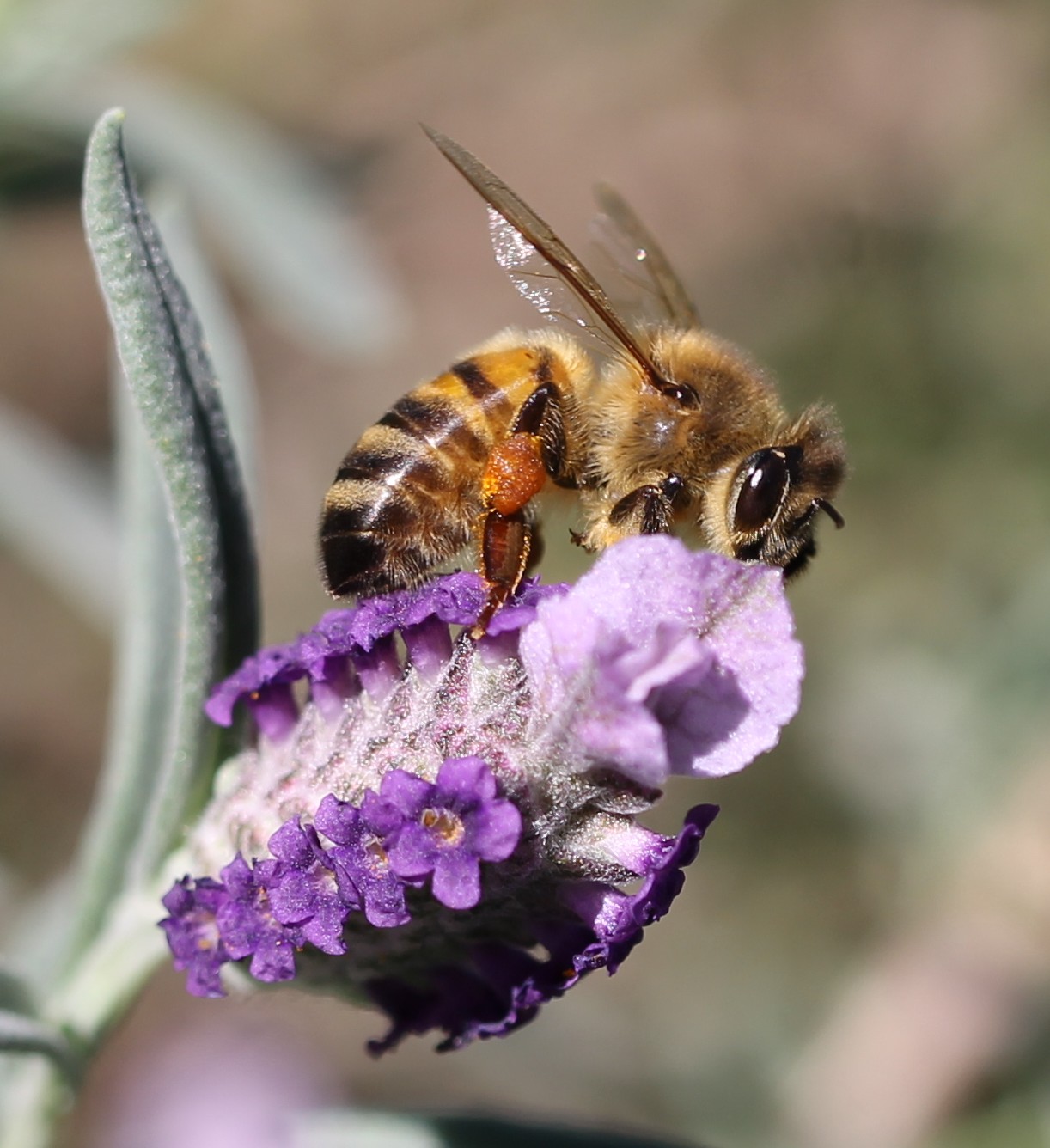
IMG_8023

TRANSLATING THE DANCE

Vision

The duration of the dance, divulges the distance a bee needs to travel to the food source, the longer the dance the longer the distance. This relationship is almost linear, for example if the waggle run lasts 2.5 seconds, the food source is located about 2 625 meters away (Tarpy, NCSU). But how can a bee measure the distance without a speedometer? Their compound (multifaceted) eyes possess motion capture mechanism; providing a conglomeration of images of their world. To measure distance bees use “optic flow” – the movement-induced streaming of visual texture across a visual field (Dyer, 2002).

In other words, their compound eyes are sensitive to the “flickering effect” of complex moving objects and the richer the imagery, the greater the distance they perceive (ApisUK, 2014). This means that a bee will perceive a shorter distance if it flies over a calm lake, which provides a weak optic flow, compared to flying over the same lake while roughened up by the wind, providing a stronger optic flow (Dyer, 2002). Bees therefore translate optic flow information, through the duration of their dance into flight distance to the food source.

Tempo

The waggle dance has a set of specific parameters that the bee uses to communicate the distance related information needed by her mates. The tempo of the dance is fast if the food is near and decreases with flight distance (Dyer, 2002). The tempo is the time it takes a dancer to complete a particular number of dance circuits. A circuit includes the waggling run and the return run before the next circuit begins. While the dance gets slower, the duration of the the dance circuit increases with distance.

The number of waggling runs a scout bee performs indicates the overall value of the resource, including its profitability and how it meets specific colony requirements. Another way to communicate the value of the food source seems to be reflected by the overall excitement of the dancer, the more vigorous the dance, the greater the value of the food resource (Dyer, 2002).
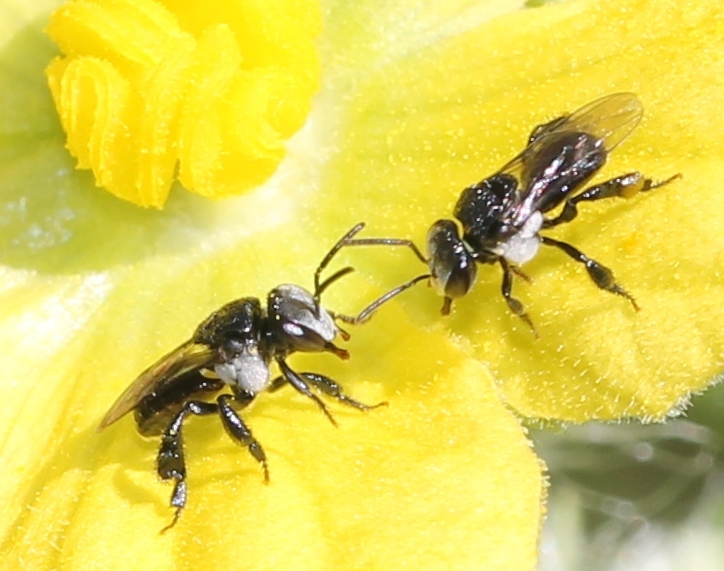
IMG_5770_2

Sound

Other parameters also increase with flight distance, including run duration, number of waggles from side to side and the duration of the sound bursts the bee produces while dancing (Dyer, 2002). The buzzing sound bursts are of low audio frequency of 250 to 300 hertz or cycles per second, and are delivered at a rate of about 30 sound bursts per second, lasting around 20 milliseconds each (Tarpy, NCSU). The duration of sound bursts is correlated with distance of the flight. Sound seems to only play an important role in communicating distance while in the dark confines of the hive. However in open-nesting bee species, visual cues such as posture and movement play a key role, while the dancers are silent (Dyer, 2002).

It is important to remember that the dance occurs in complete darkness of the hive in many bee species. So how do the spectator bees pick up all this information from the performing scout? Bees recognise the cues of the dancer through the sound waves produced by her wings, which the spectating bees detect through their antennae (Dyer, 2002). The vibration of the honey comb is also detected by sensory receptor cells, along with tactile cues through physical contact between the dancer and the spectators (Dyer, 2002) .

Mathematical skills

Bees are excellent mathematicians as they can compensate for taking different routes to a particular food site using a process called path integration to derive parameters for the most direct flight (Dyer, 2002). The dancing bee must incorporate the path integration information into her dance. On the receiving end, recruited bees will need to translate the the information received through the dance into the actual flight and the sensory information provided by the environment outside the nest (Dyer, 2002). They must take into account that the sun has changed its position since the scout has left in search for the food source, as well as environmental factors such as the wind and topography, which result in variation in perceived flight distance (Dyer, 2002).

Scent and smell

The scout bee also picks up molecules from the environment such as the scent of the flowers that she has visited, which her forager mates recognise and use as a source of information in finding the correct food source (Dyer, 2002). Odour cues work best if the food source is relatively close to home. Bees also release pheromones, chemical messengers similar to hormones, which are used to communicate with one another (Dyer, 2002). Each pheromone or scent that the bee produces communicates a different message. Perhaps the chemical signal could be translated into something like this – “Do you remember, those great mango flowers down by the river, 3km from home? Thy are in flower again!” These chemical signals are released during the recruit dance, greatly contributing to the reliability of the information.

IMG_5694_1

Even though we have seemingly come a long way since Von Frisch first began to investigate the dance language of bees in the 1960s, all that we know so far is still not sufficient to explain how a tiny bee can do what it does. Karl von Frisch himself described the honey bees and their dance language as a “magic well” of information and said that “the more you draw from it the more there is to draw” (Dyer, 2002). We simply do not understand the depths of intelligence encoded in these magnificent creatures as they continue to baffle scientists. What else is there to discover about the bees, one of the most studies and yet most secretive species?

REFERENCES

ApisUK Beekeeping Science and news (2014). Honeybee Communication. Retrieved from http://apisuk.com/Bees/2013/09/research-%E2%80%93-mysterious-%E2%80%9Cquantum%E2%80%9D-dance-of-the-bees/

Dyer F.D. (2002). The Biology of the Dance Language. Annu. Rev. Entomol. 47:917–49

Frank A., 1997 (November). Quantum Honeybees. How could bees of little brain come up with anything as complex as a dance language? Discover – Science for the Curious. Retrieved from http://discovermagazine.com/1997/nov/quantumhoneybees1263

Tarpy D. R., (n.d.) The Honey Bee Dance Language. New Carolina State University. North Carolina Cooperative Extension Service.
Posted in Bees | Tagged , , , , , , , , , | 3 Comments

Griffith mates advertised it. I love nature and the environment

Team briefing - 14 Oct 2014 - Larissa Roberts

“Ok team, this is the plan.”

By: Laurie Deacon & Larissa Roberts

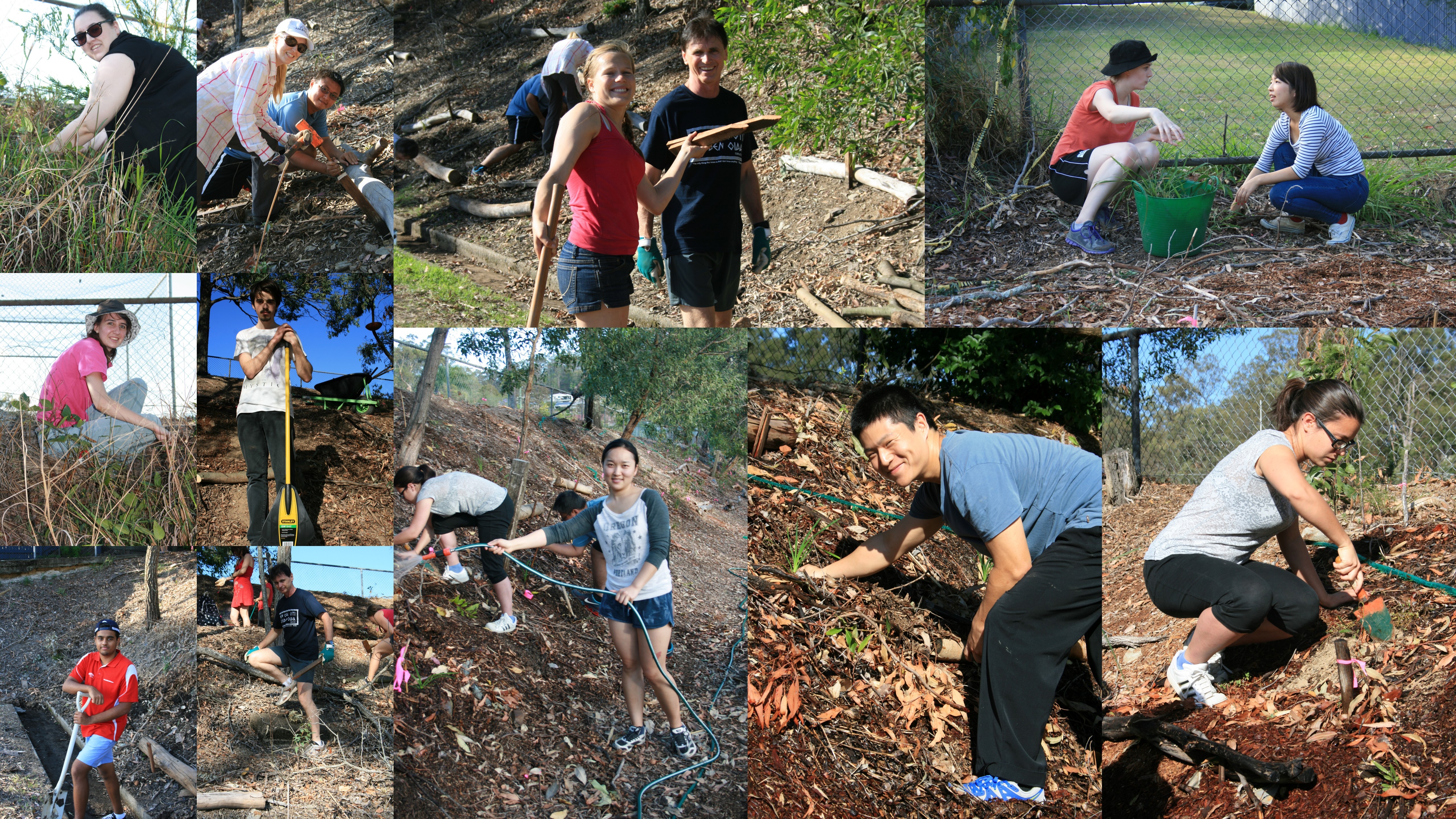
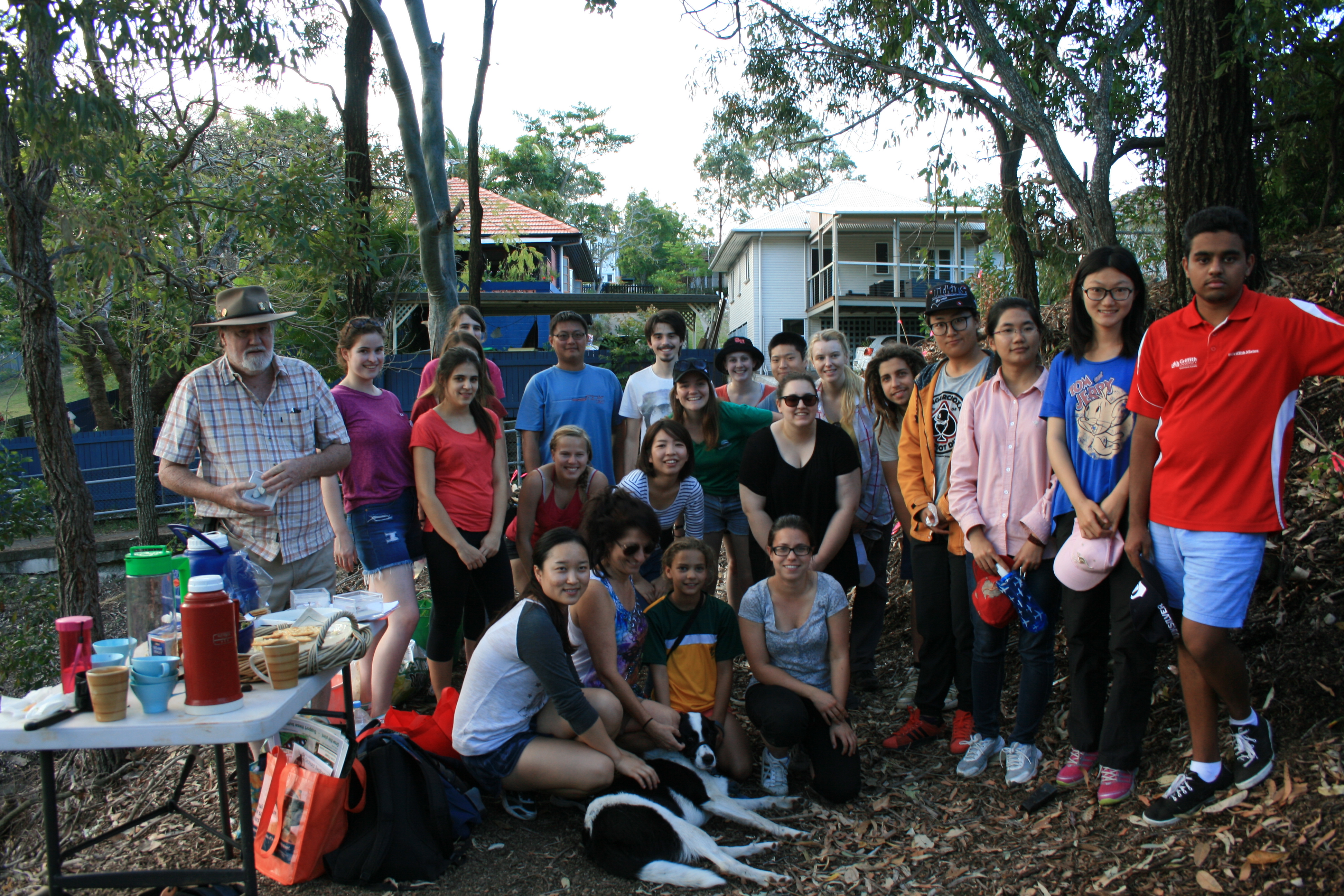
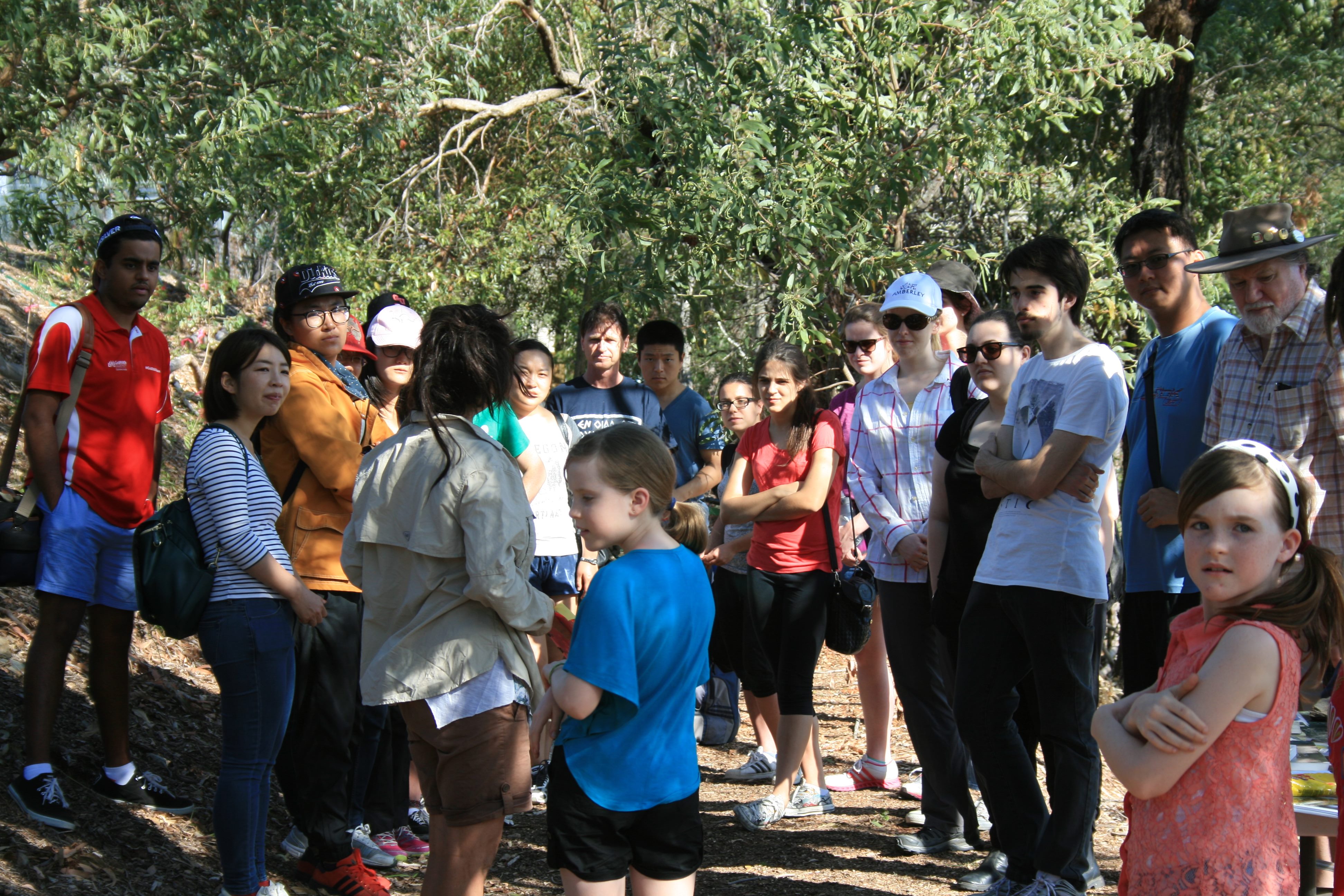
A team of 27 Griffith Mates students and community members! “Ok team, this is the plan. We have thirty plants to go in, logs and mulch to stabilise the banks reducing erosion.”

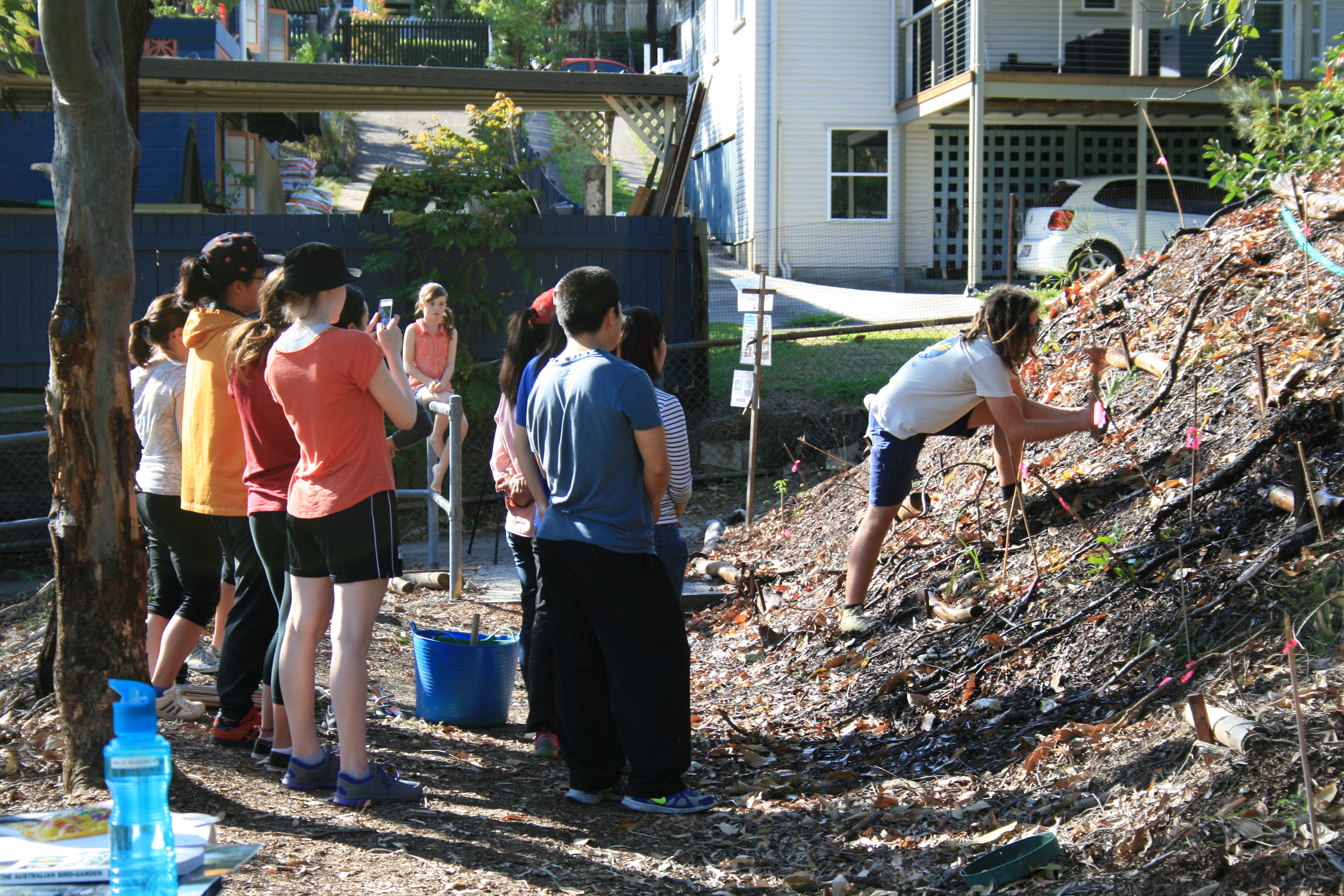
Sheamus shows how to plant on a slope

Sheamus shows how it is done.

.

.

First Sheamus shows how to plant the Lomandras, Wombat Berry and Scrambling Lilly generously donated by SOWN (Save Our Waterways Now).

.

Then the team gets down to action.

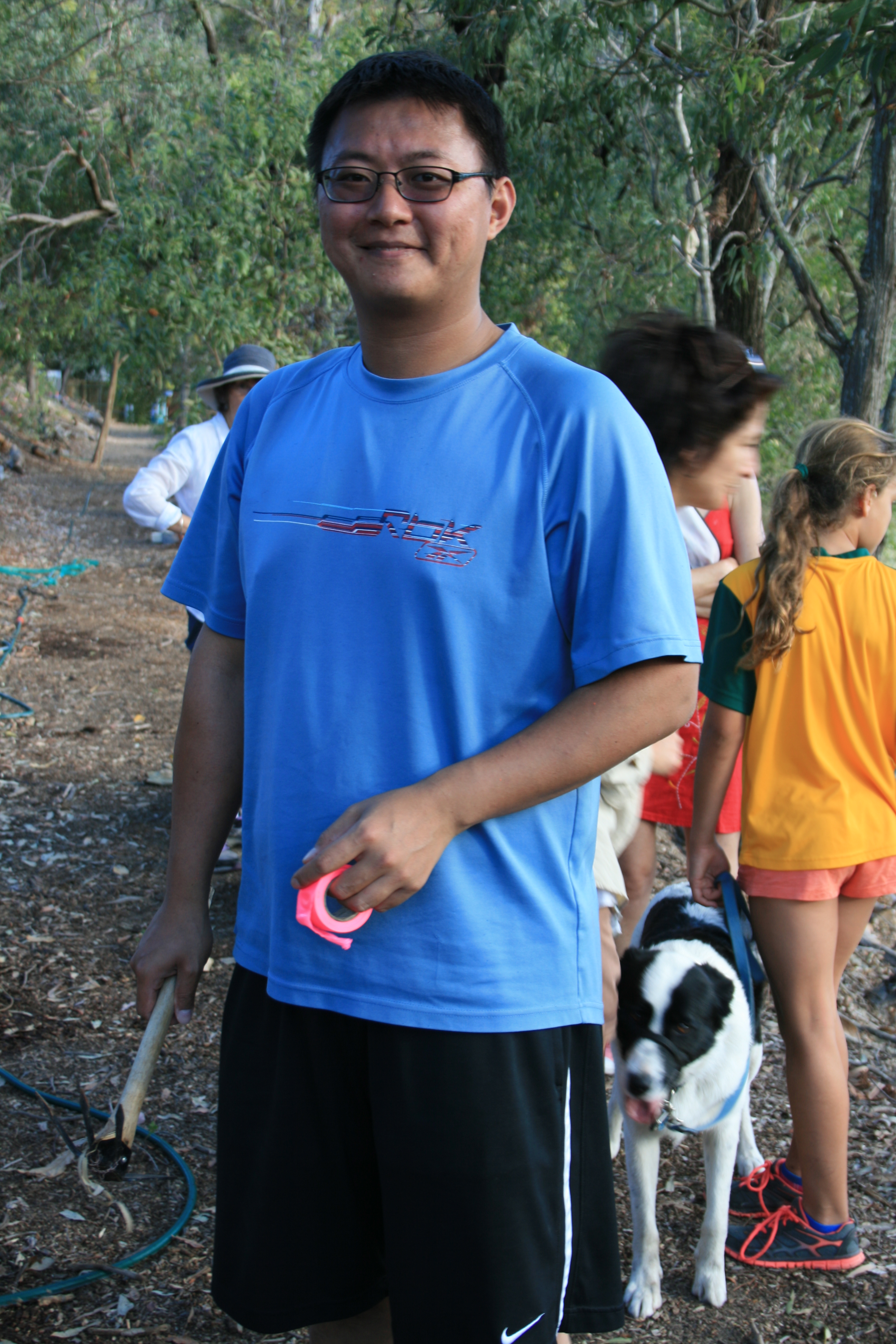
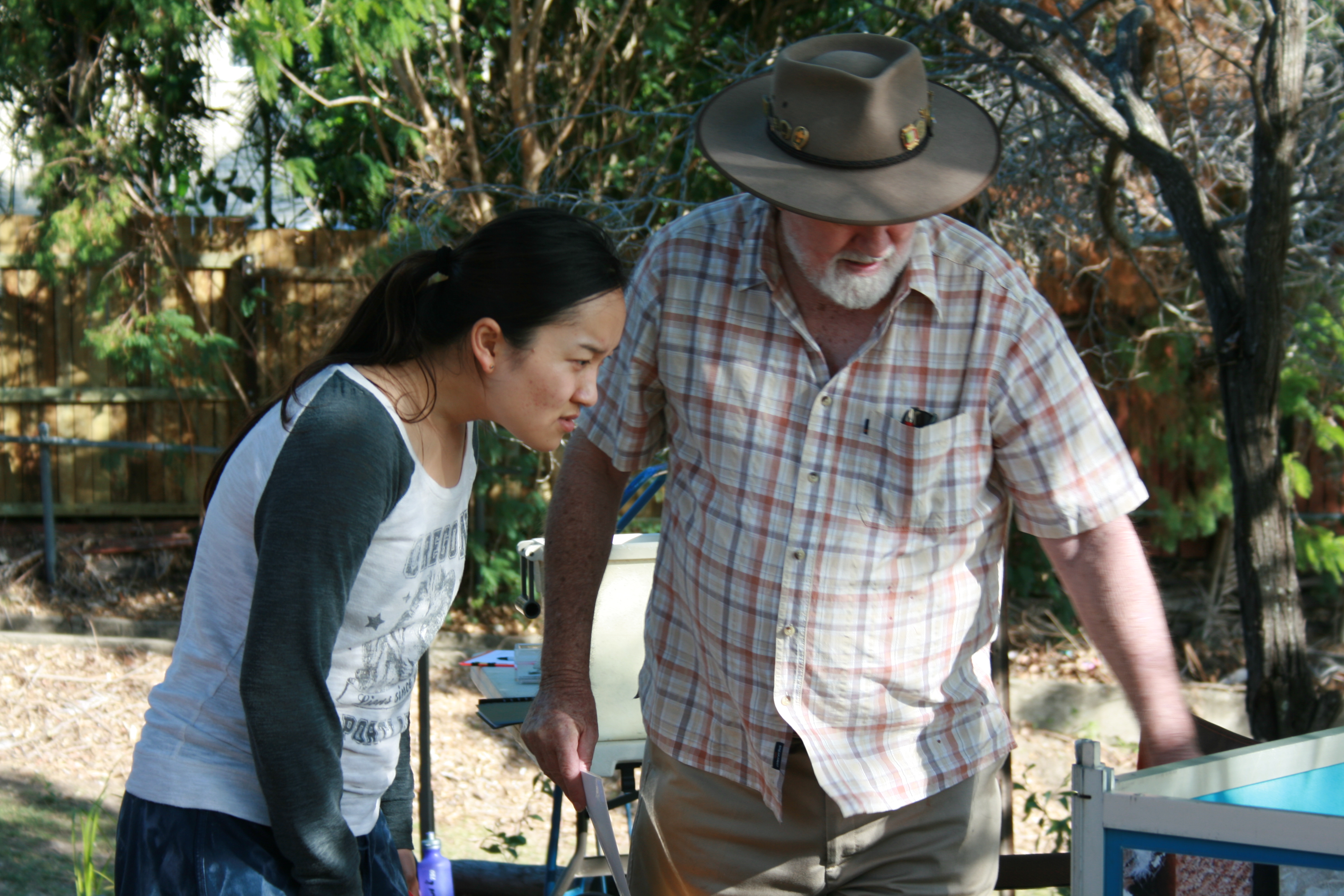
PLG 14 Oct 2014Our photographer Larissa also interviewed participants as part of her university project about activism.

2014-10-12 16.22.58Phoebe: What made you come along today? “I’m part of the Griffith Honours College and we were looking at some way we could get involved with the local community and one of the girls from Griffith said Griffith University had a partnership with the bushcare people and we could come along and help out so I organised a group of people to come out and help.”

John: “I saw this activity on Facebook and I want to take care of the environment.”

Lily: “I have been part of bush care my whole time at uni. I really enjoy nature and planting and agriculture even though I study accounting. It’s a different area but I made some friends and that’s a big motivation for me, enjoying and helping nature. I found out about it through Facebook.”

Camilla: “I’m one of the Griffith Mates leaders. I help out Sienna when I can with bush care. I’ve been doing this for over a year and a bit. I study the environment so my main motivation is to facilitate people to interact with the environment”.

2014-10-12 15.40.42Michelle: “ I came along because at uni I’m studying Ecology and Conservation Biology and I figured it would be good to get involved with local groups who are making an effort to do those sorts of things. It was interesting hearing that this used to be bare rocks covered in weeds and now the soil’s been established and plants are now growing here. I found out about it through Griffith Mates”.

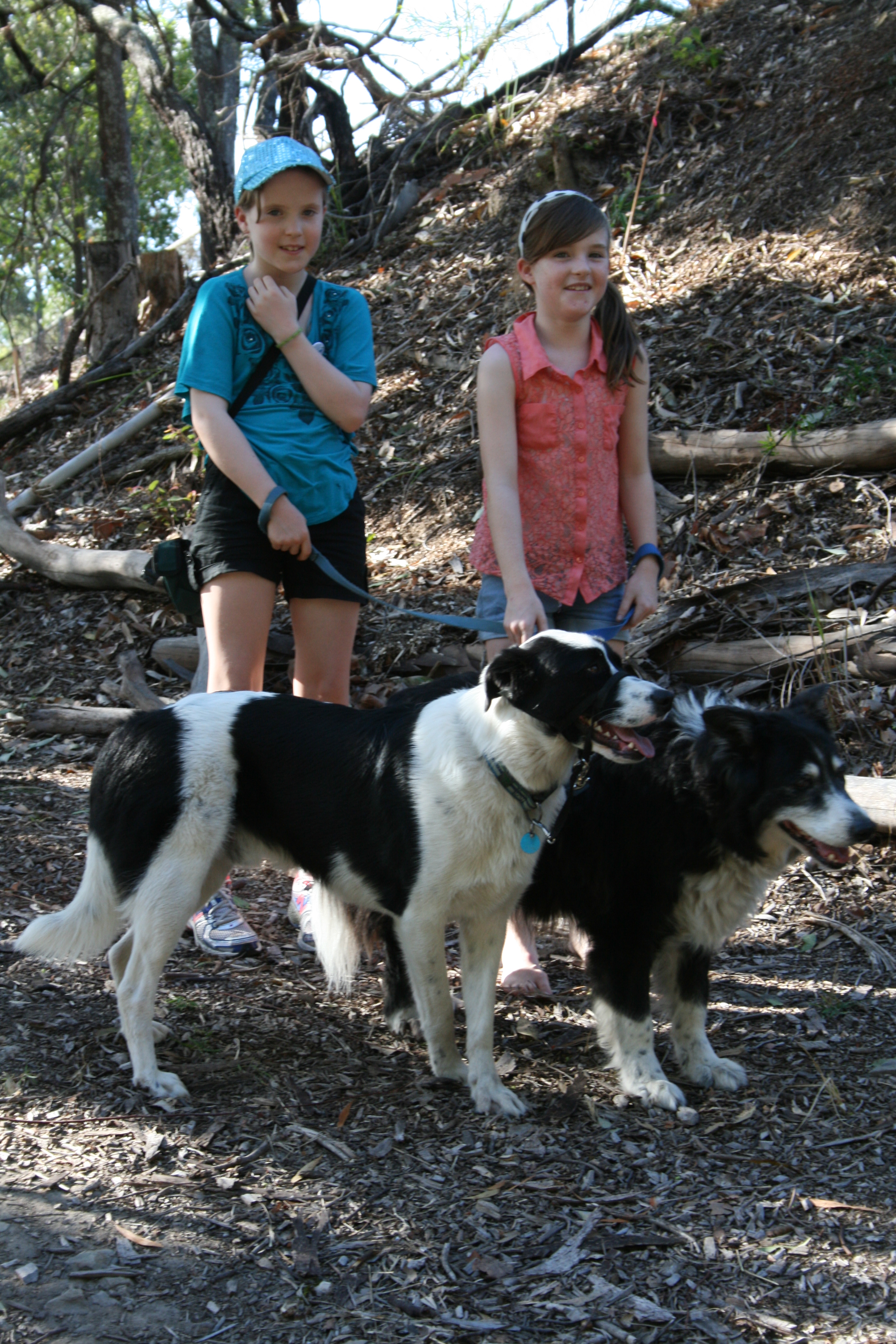
Jo: “I came along with my daughters who know Laurie through Scouts and who now have started their own butterfly conservation club at school so they’ve come in to learn more about the plants. I heard about it through Laurie”.

2014-10-12 16.07.18Anna: “Griffith mates advertised it. I love nature and the environment and this is the perfect way to help out the community and do something good.”

Carmen: “Social activity, community activity, doing something good for the environment. I actually found out about it through Laurie because Laurie and I used to work together.”2014-10-12 15.51.13

Ok, enough talk, let’s get some serious work done.

.

.

2014-10-12 15.52.45.

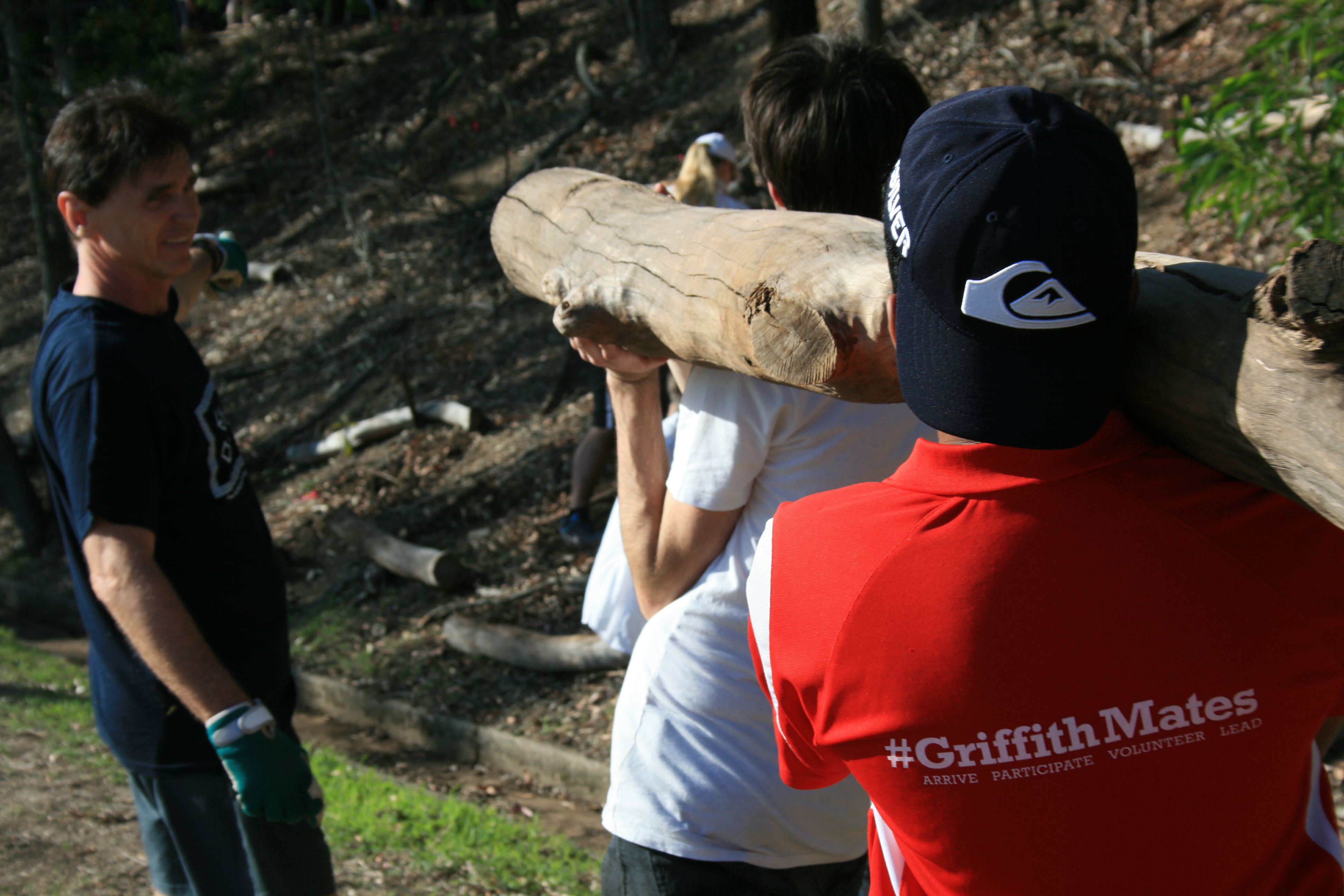
Logs placed on the slope are held in-place with timber pegs. Banging pegs into this hard ground need someone wielding a sledge hammer.

.

.

.

.

2014-10-12 15.43.00.

.

Logs are in-place so now mulch can be poured down from the top.

.

.

.

.

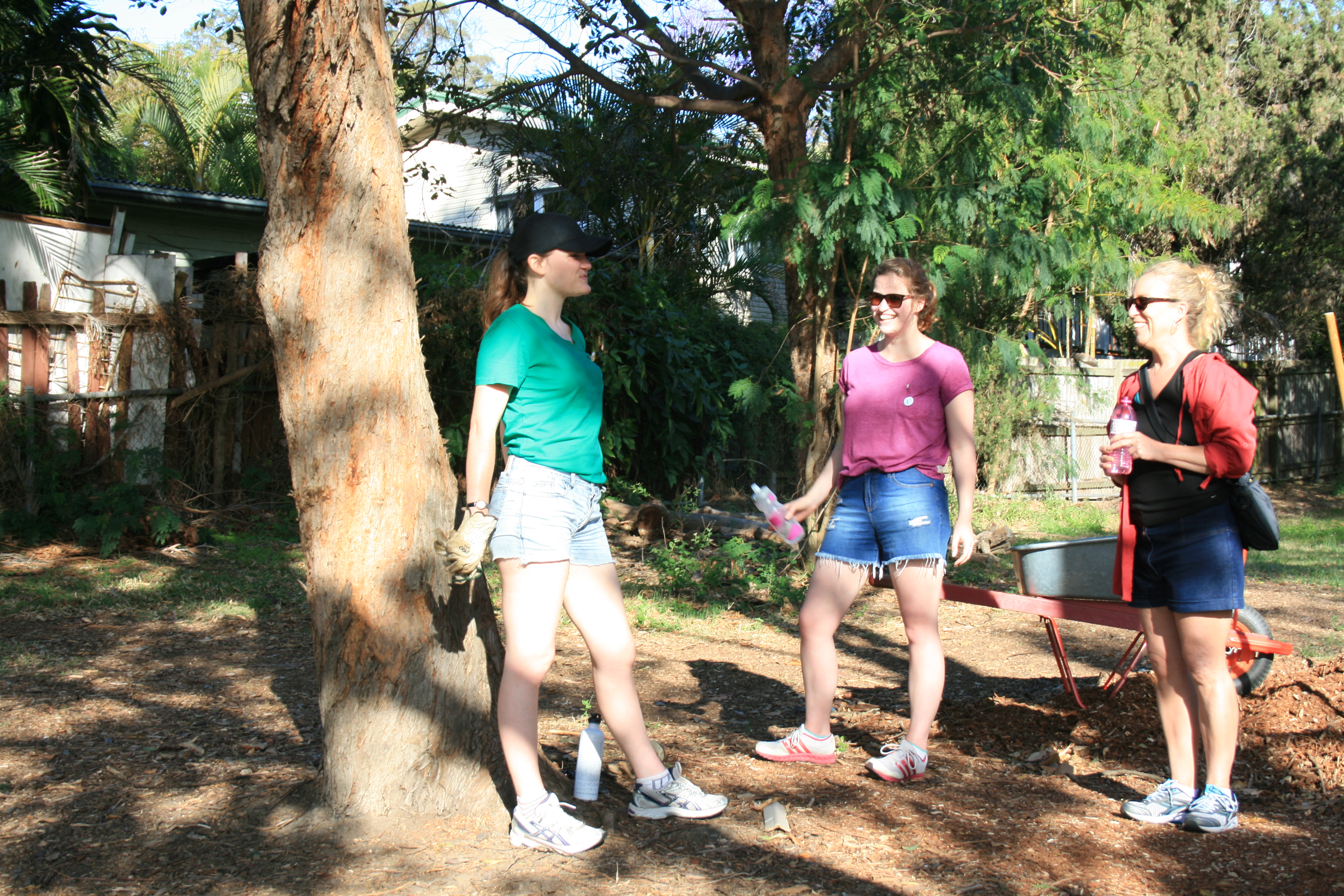
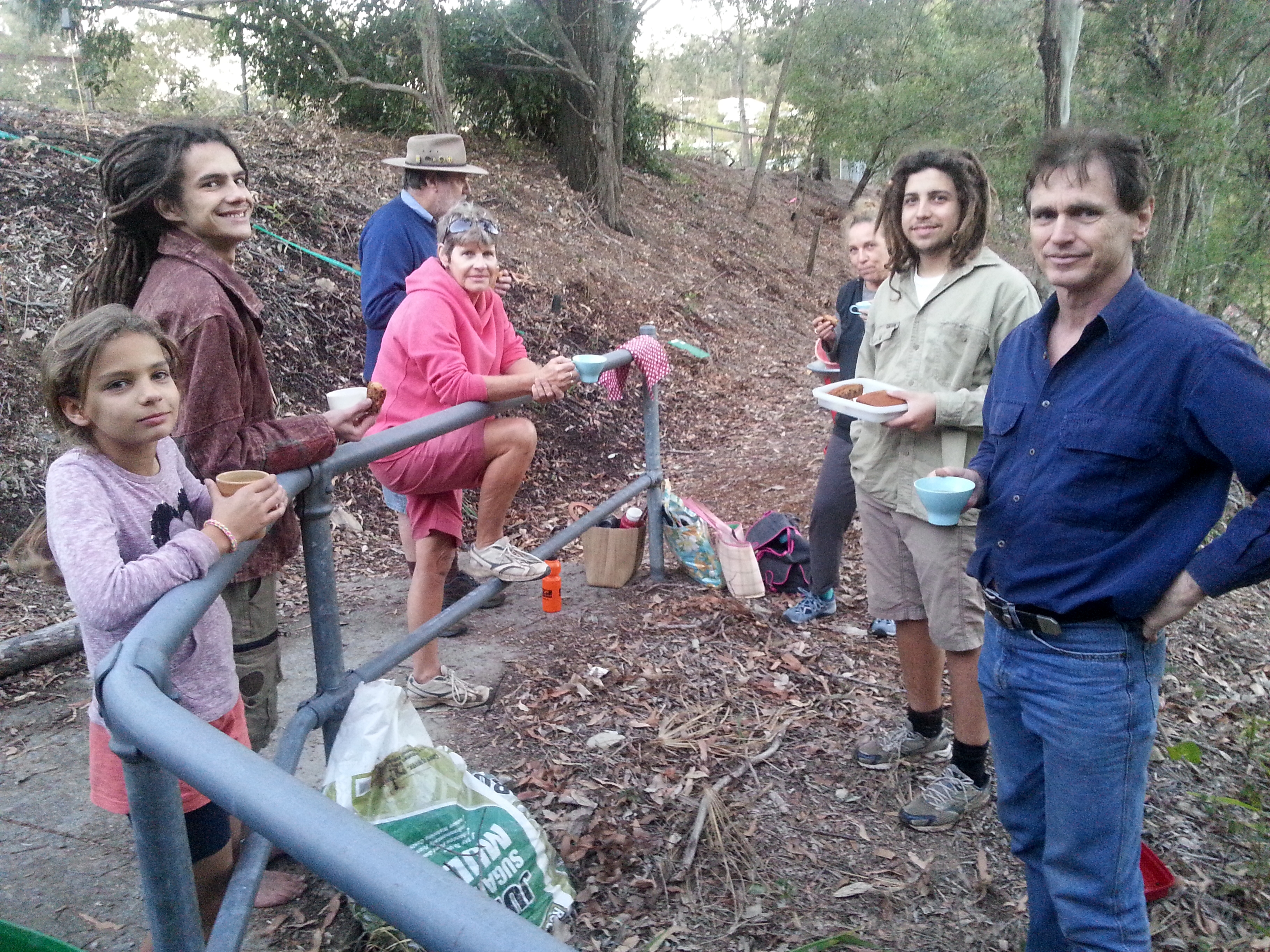
2014-10-12 15.47.57All this hard work deserves a reward. Home baked cakes , cheese & crackers & chocolates.

Len also shared his amazing knowledge of our native bees …

.

2014-10-12 15.43.46

.

… while Laurie’s rescue dogs made firm friends.

.

We are all so fortunate to have this site & this project  build for & with our local community .  Thanks  again  MGSHS and thank you to all our hard workers. 

.

Thank you team

Posted in Bushcare, Mt Gravatt Environment Group, Pollinator Link, Wildlife Corridor | Tagged , , | Leave a comment

Create a butterfly Puddling Station

Blue Triangle - Dec08

Blue Triangle butterfly drinking

By: Michael Fox

The weather is warming up, the butterflies are waking up and looking for mates.

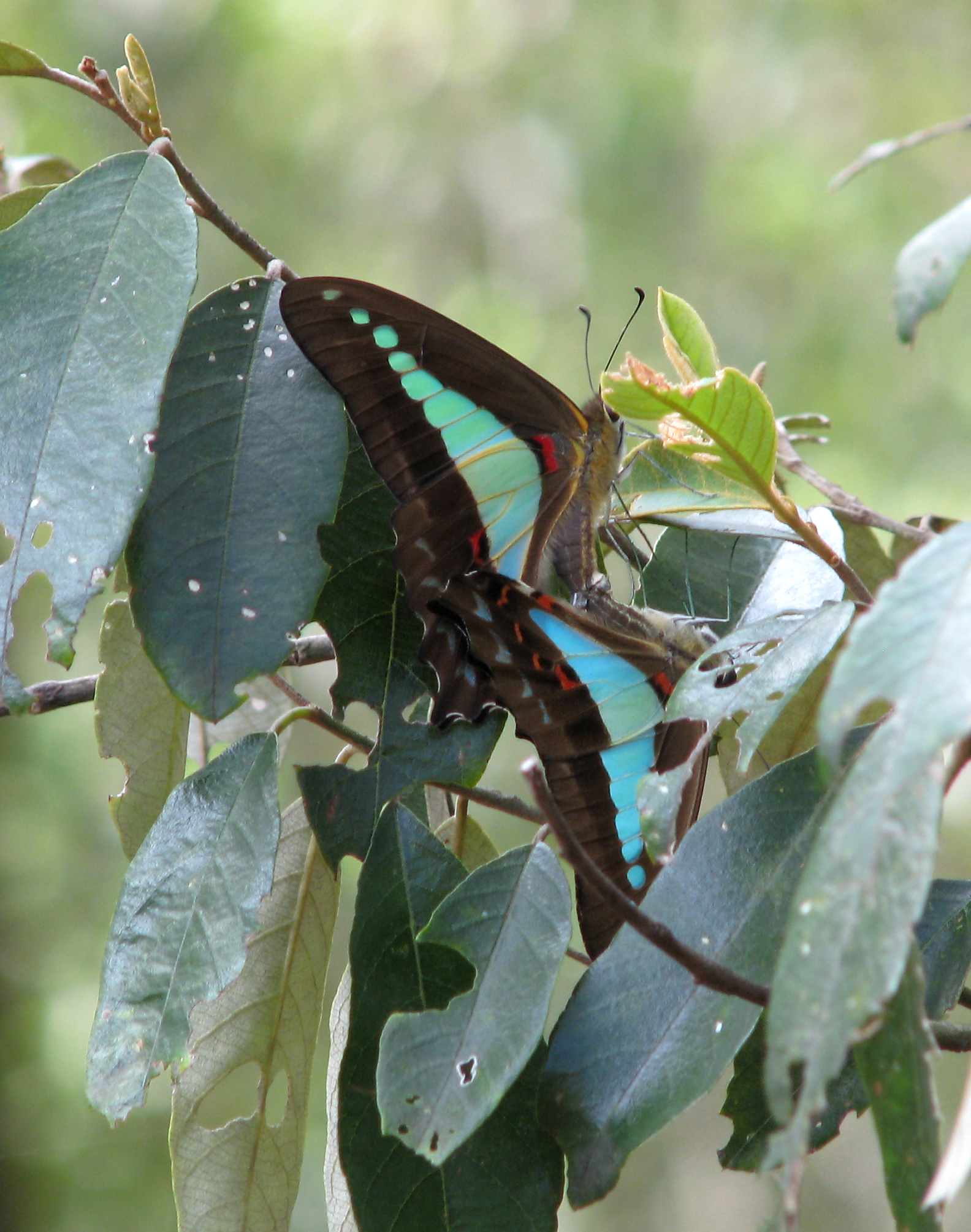
Butterflies, like all animals, need water. At breeding time, male Blue Triangle butterflies – Graphium sarpedon, and other swallowtail butterflies will be looking for mineral laden water.

So it was good to find ways to attract butterflies to our gardens and strengthen their breeding. Melvin Dell, curator of Niagara Parks Butterfly Conservatory suggests a simple way to create a Puddling Station for your backyard.

Blue Triangle - mating - Dec09

Blue Triangle mating behaviour

“Butterflies require water sources, which they usually obtain from dew and rain. Also, male butterflies are often seen puddling. Large groups of male butterflies will gather around a mud puddle, damp sand or gravel on the ground and appear to drink water. What they are actually doing is taking in mineral-rich moisture to replenish their sodium levels, which are depleted during the mating ritual.

Melvin Dell, curator of Niagara Parks Butterfly Conservatory, suggests that puddling stations can be set up in established butterfly gardens. Simply fill a large outdoor plant saucer with sand and sink it to ground level in a sunny area. Sprinkle an organic 7-7-7 houseplant fertilizer on top of the sand and then dampen the mixture with water until the fertilizer dissolves and the sand is wet. Keep the sand moist and reapply the fertilizer every two or three weeks. Male butterflies, especially swallowtails, will favour these stations and are a delight to watch.” Butterfly gardens – The Spectator (23 May 2002) Audrey Van Troost

Orchard Swallowtail - Nov 08

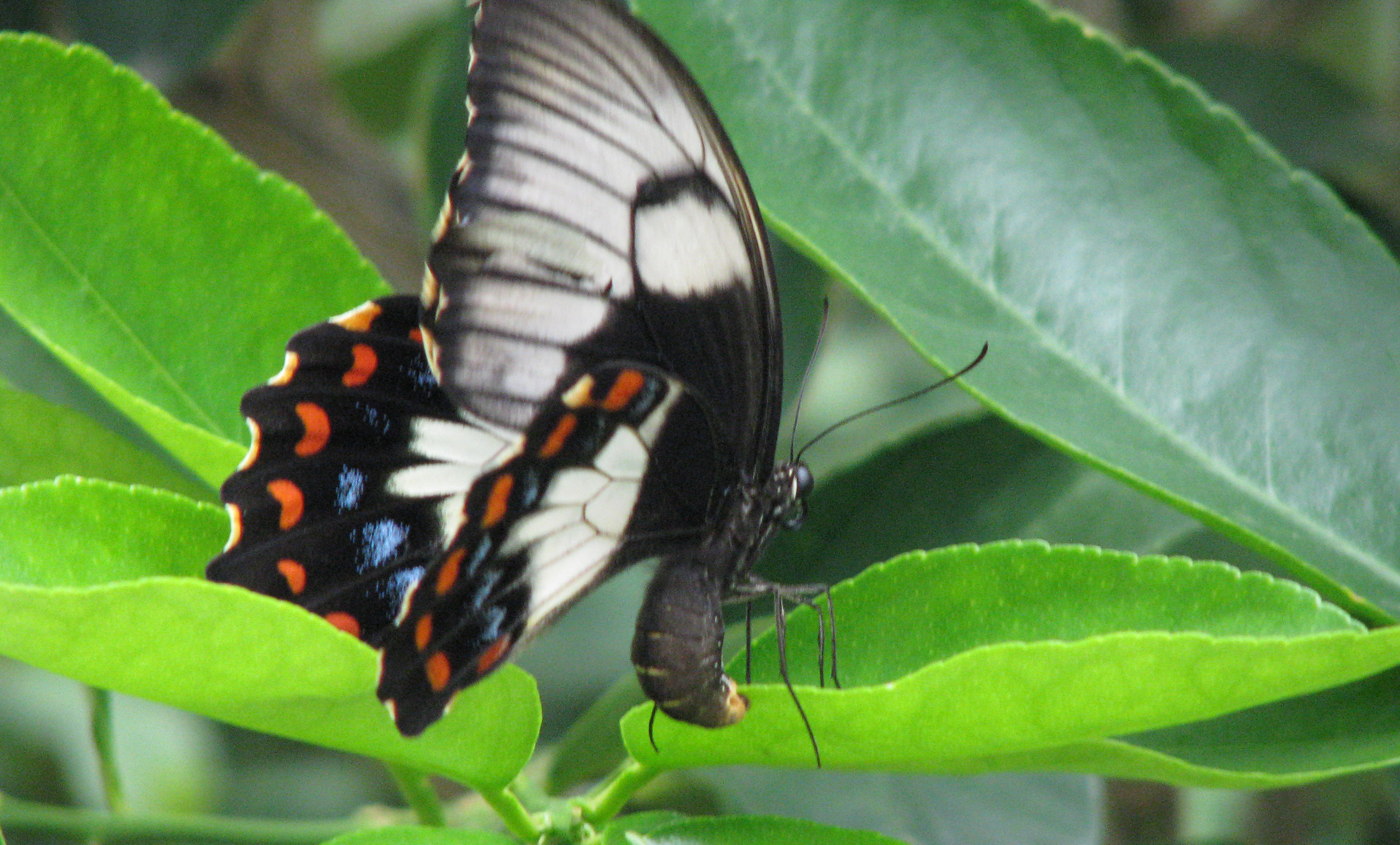
Orchard Swallowtail – female laying eggs on citrus

Keeping the sand moist in Queensland heat will be a challenge. So I plan to experiment with a self-watering system using an empty drink bottle.

Posted in Uncategorized | Tagged , , | 3 Comments

Bush experience for city family

A seedling nursery … a great way to create butterfly plants for backyards.

Mt Gravatt Environment Group's avatarMount Gravatt Environment Group

Geocaching family - Southern Star - Sept 2014Southern Star – 24 September 2014

By: Michael Fox

Marshal Kloske and I met the Wood at Mt Gravatt Summit the morning they were there to meet the Southern Star photographer and we were there to photograph butterfly mating displays as part of our research for the new interpretative track signs.

IMG_7474 Noisy Miner chicks calling for food

Marshal showed the family the large new sign with maps and information about local history and environment. Like most people the family were surprised to learn about the local “glow-in-the-dark” mushrooms and they were very interesting our research and restoration work.

Nest watching Nest watching team in action

Heather, Eloise and Lincoln then joined Liz, Marshal and I on Wednesday afternoon for our regular Fox Gully Bushcare. Knowing we would be joined by young children, I planned a special afternoon of activities including checking the nest-boxes and making a portable plant nursery to propagate…

View original post 254 more words

Posted in Uncategorized | Leave a comment

Mmmm … beautiful winter day and fresh baked cake

20140615_153535

City kids in touch with nature

20140615_165817

Home made cake – reward for hard work

By: Laurie Deacon

Our Sunday working bee on the Pollinator Link Garden at Mt Gravatt SHS went well.

New parents and kids joined us! It is such a pleasure to watch city kids getting in touch with nature, getting their hands into the dirt and planting the future.

Eating Sheamus’s fresh baked cake was nearly as good as planting six each of the Wombat Berry Eustrephus latifolius, Native Sarsaparilla Hardenbergia violacea, Scrambling Lily Geitonoplesium cymosum, Black She-oak Allocasuarina littoralis, Grey Gums Eucalyptus bitturbinata, Acacias and Brush Box Lophostemon confertus. But much better than weeding and shoveling mulch. All washed down with steaming hot cups peppermint and black tea to warm the hands at the end of a very productive day.


Posted in Bushcare, Pollinator Link, Wildlife Corridor | Tagged , , , , , , | Leave a comment

Majestic Park Cubs planting for butterflies

20140612_194152

Cubs love butterflies

By: Laurie Deacon

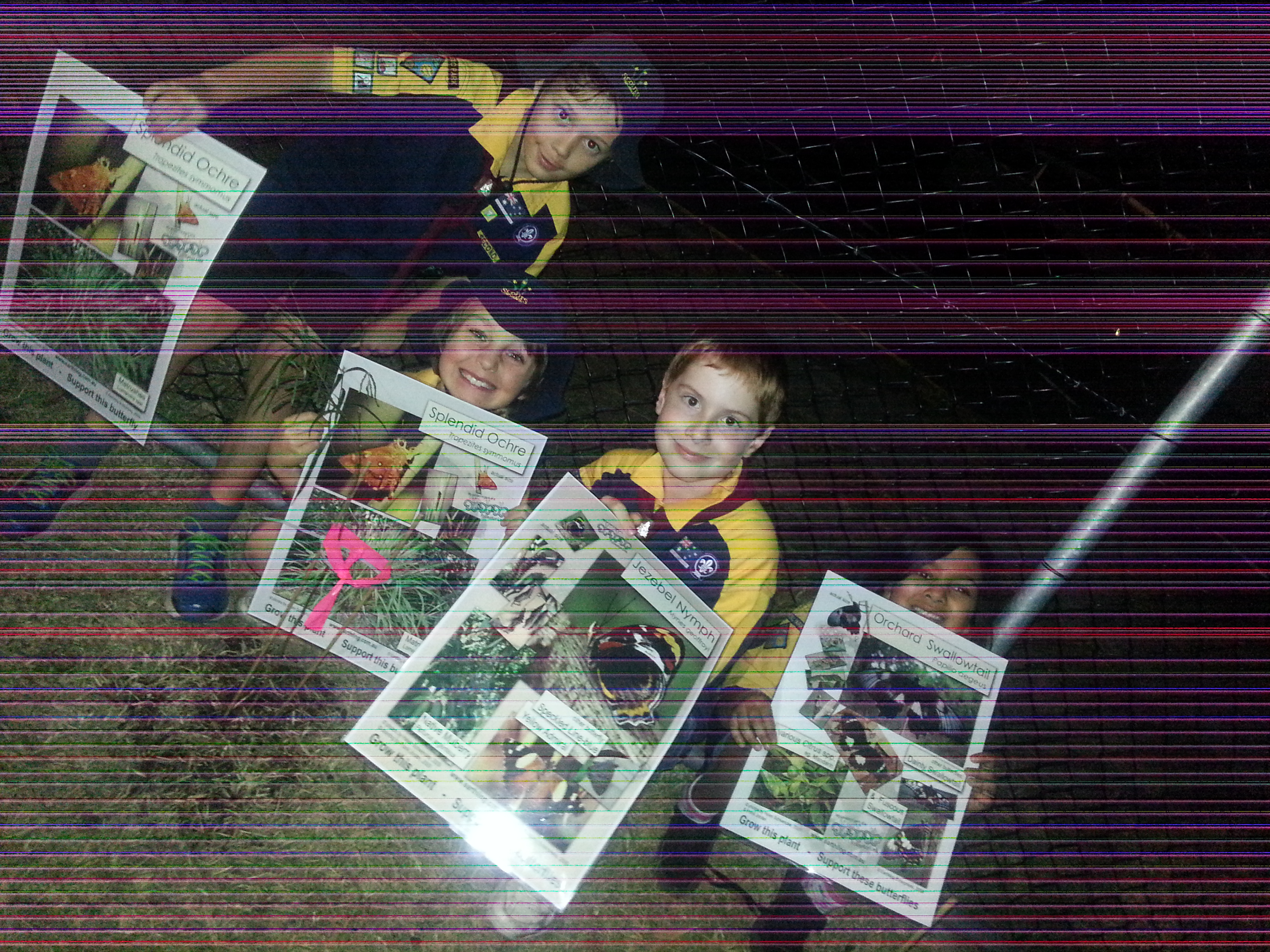
Thirty Cubs for a night planting: They are getting their World Environment Badge by doing many things and one is learning about and building a Pollinator Link Garden around their Den in Coorparoo. The Cubs all planted each a wattle tree and a she oak tree, leaning how to care for the young tree as well.

They know without Pollinator Link Gardens that their food is in jeopardy. They hope these plants will grow into a big supermarket for the native animals. With the help of the older Scouts each plant is going to get a border decorated with art to ensure no one mows them off!

Thanks to Helen Schwencke of Earthling Enterprises for our brand new butterfly posters.  

Posted in Pollinator Link, Wildlife Corridor | Tagged , , , , | Leave a comment

Laurie steps up as Mountain leader

Mt Gravatt Environment Group's avatarMount Gravatt Environment Group

By: Michael Fox

As part of the continuing development of Mt Gravatt Environment Group, Laurie Deacon has taken on the role of President. I will continue to work closely with Laurie, continuing as Editor of Mt Gravatt Environment Group blog and Fox Gully Bushcare co-coordinator.

IMG_20140412_132834Over the past decade the team has, expanded restoration activities in seven sites surrounding the Mountain, strengthened relationships with community, university and school stakeholders, contributed to research of Mt Gravatt Conservation Reserve, increased use of the Reserve by community members and developed community education. Membership is strong and members have received local, state and international recognition of their work in Nature Conservation.

Laurie brings a wealth of experience with volunteer groups and environmental work ranging from membership of the management board of a national environmental NGO, protecting endangered Cassowaries in the Daintree, presenting at the UN Congress for Environmental Education: June 2013 in Marrakesh and…

View original post 421 more words

Posted in Uncategorized | Leave a comment

Wildflower Season Blooms in Pollinator Link garden

Native Sarsaparilla Hardenbergia violacea

Native Sarsaparilla Hardenbergia violacea

By: Sheamus O’Connor

The Pollinator Link Garden at Mount Gravatt SHS is beginning to display the vibrant colours of Australian wildflowers. We had a very undesirable storm season this year, hardly receiving much rain at all when we needed it most. Autumn simply did not exist in Brisbane, as most days reached 30oC at least. However, now with winter here, as well as some decent cold weather, the water that’s left in our soils is less likely to be evaporated by the intense heat of the sun.

.

.

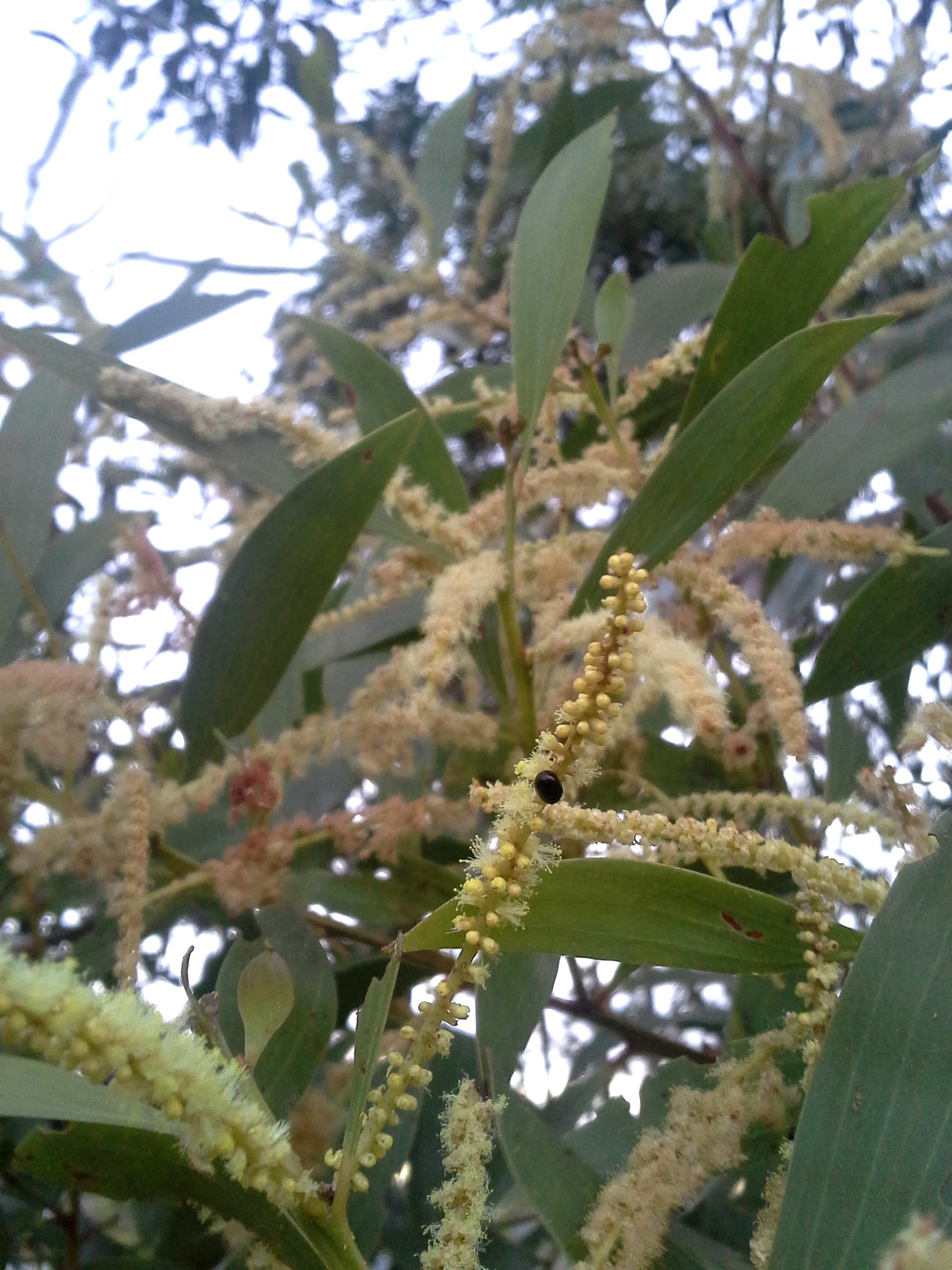
Beetles enjoying the abundance of wattle flowers

Beetles enjoying the abundance of wattle flowers

Native plants are known for their hardiness, and they always are able to create an elaborate display of stunning flowers in unfavourable conditions. Acacia species are in full bloom, if not now, very soon. Their perfume can be smelt a great distance away. Look closely at their flowers and you are sure to find some small pollinator devouring on some nectar and pollen. The Early Black Wattle (Acacia leiocalyx) has been flowering in the PLG for a few weeks, almost starting to form seeds. These plants are incredibly important for our pollinators, such as Squirrel Gliders (Petaurus norfolcensis).

.

.

Running Postman Kennedia rubicunda

Running Postman Kennedia rubicunda

Other plants in full bloom in the garden include the Running Postman (Kennedia rubicunda). This pea plant is bright red flowers, and as the name suggests, ‘runs’ all over plants. The leaves of the pea plant are a favourite for the Leaf-Cutter Bee (Megachile sp.) which leaves a distinct semi-circle cut in the leaf. The leaves collected are used for a tube for the female’s eggs, as well as food for the larvae.

.

.

.

.

Future raspberries growing in Pollinator Link garden

Future raspberries growing in Pollinator Link garden

The first flower has formed on our Native Raspberry bush (Rubus probus), which is one of the most productive and tastiest bush tucker plants. The red donut-shape fruits and extremely sweet and one finds themselves unable to stop picking them from the bush, just watch out for the thorns! These bushes grow into a dense habitat for small birds, lizards and other creatures that are vulnerable to butcher birds and other aggressive birds. Much like its European cousin, the bush is an extremely aggressive and invasive plant, so keep a watchful eye in small gardens and prune back after fruiting.

With this dry spell we’ve had so far this year, all gardens are suffering. However, our Pollinator Link garden pushes on to create a wonderful habitat for our vulnerable native species. Helpers are greatly welcome as more hands make lighter work. Come along and enjoy a beautiful winter Sunday afternoon doing some bush rehab work with a nice warm cup of tea and sweets after. National Plant a tree day is not far away (end of July), so keep an eye out for our future events.

Posted in Mt Gravatt Environment Group, Pollinator Link, Wildlife Corridor | Tagged , , , , , | 1 Comment

Butterflies invade St Joachim’s

By: Laurie Deacon

NEWS Flash: “Butterflies have invaded St Joachim’s Catholic Primary School in Holland Park.”

Buttflies at St Jochims 2 - 1 June 2014

Butterflies bring colour and fun to St Joachim’s

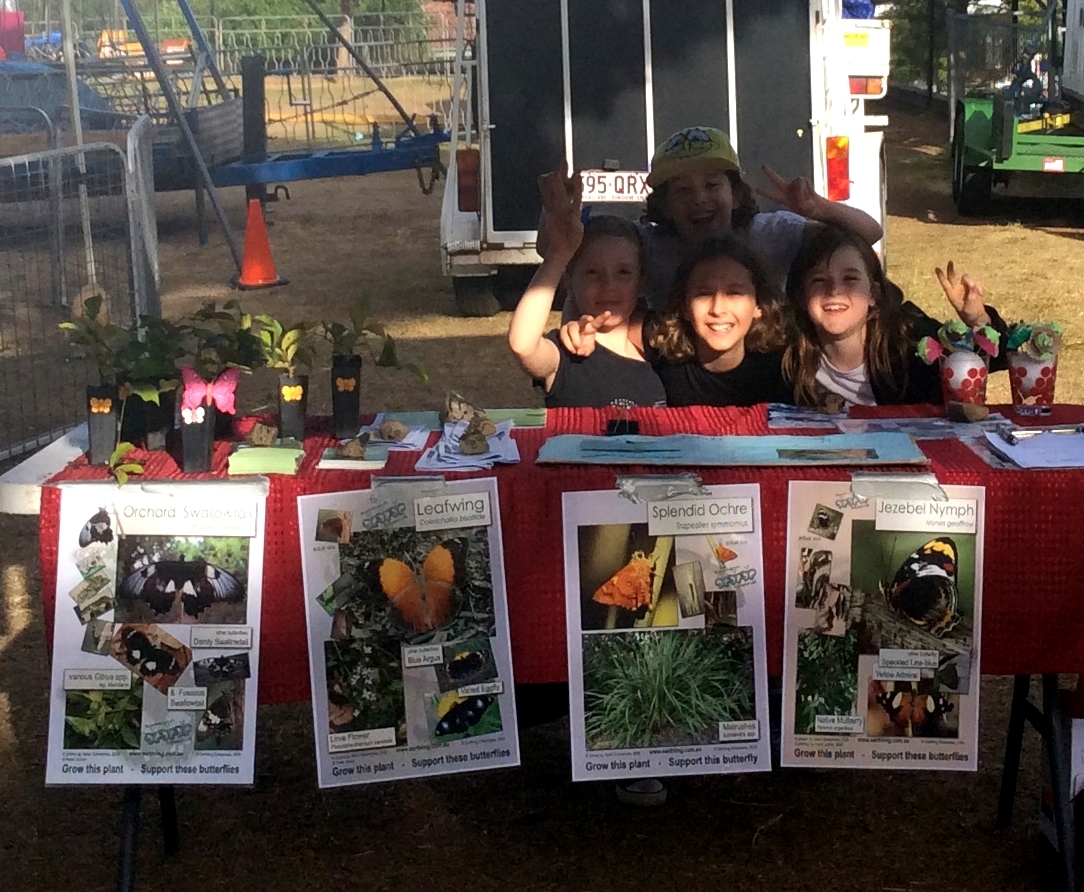
Millie, Alessia, Emily and Sophie want people to use their backyards and schoolyards to help save threatened wildlife species like the Richmond Birdwing butterfly Ornithoptera richmondia. Birds, butterflies and bees add colour and fun while working hard to pollinate your vegetable patch.

The pollinator team produced posters to demonstrate the purpose of their stall at St Joachim’s Annual Fete. Millie and Alessia chatted to  adults and children explaining how to assist the Birdwing and other butterflies by planting more of the right plants and gave them a tour of the Butterfly Garden.

I am very proud of the initiative and commitment shown by these future community leaders.

Posted in Pollinator Link, Wildlife Corridor | Tagged , , | Leave a comment

ACU students promote bushcare to teachers

By: Laurie Deacon

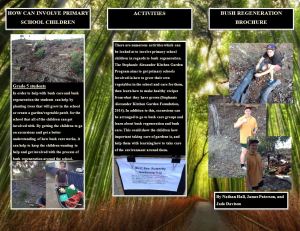
ACU student brochure

ACU student brochure

Our ACU student teacher friends have used their bushcare experience to produce an excellent brochure to promote bushcare to other teachers.

Jade Davison, James Paterson and Nathan Hall … sharing a vision of a sustainable future with the next generation. With teachers like this we can look forward with hope.


Posted in Mt Gravatt Environment Group, Pollinator Link | Tagged | 1 Comment